Government says it needs more than US$200 million in fresh financing to complete the long-delayed Salima-Lilongwe Water Supply Project, promising the scheme will be fully operational by June 2027 after years of funding setbacks.
NEWS | Water infrastructure | By Edwin Mauluka
The Malawi government says it needs more than US$200 million to complete the long-delayed Salima-Lilongwe Water Supply Project, with authorities pledging to have the scheme operational by June 2027.
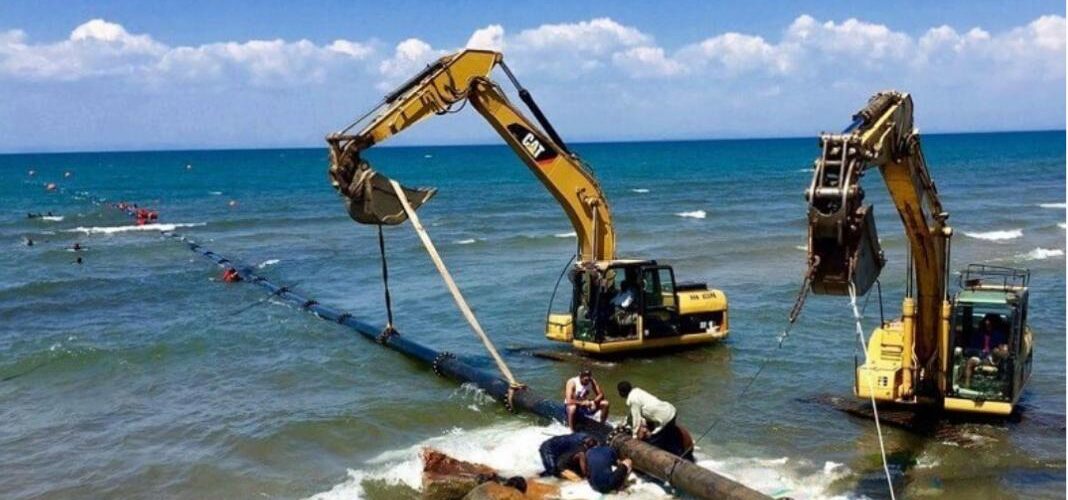
The project will draw water from Lake Malawi in Salima to Lilongwe while extending access to communities in Salima, Dowa and Lilongwe districts along the pipeline corridor.
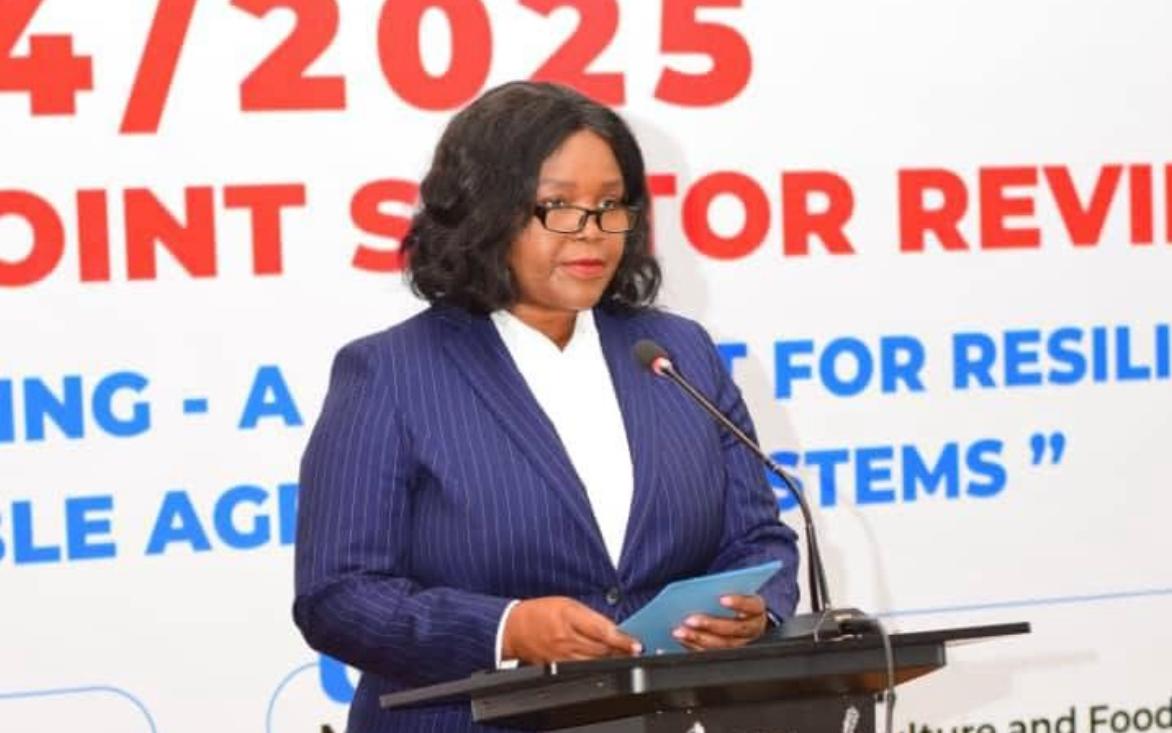
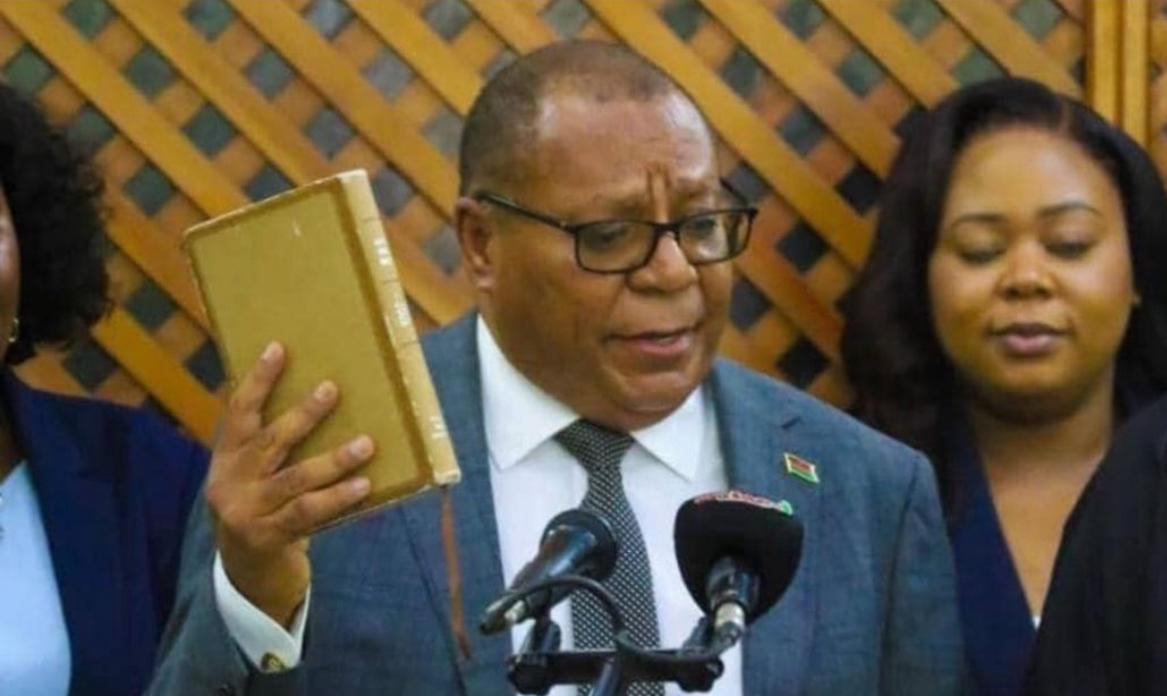
Minister of Agriculture, Irrigation and Water Development Roza Mbilizi disclosed the funding gap in Parliament on Thursday while responding to a question from Salima Central legislator Enock Phale, who sought an update on the project’s progress.
“The project has repeatedly missed its implementation timelines. This is giving rise to understandable public concern regarding its completion,” Phale told the House.
He asked the minister to explain the repeated delays, provide a firm completion and commissioning date, and clarify whether the government would secure sufficient funding to prevent further setbacks.
“We are also looking for an explanation from the government on whether it intends to ring-fence adequate funding for the project to ensure its timely completion and prevent any further slippages in implementation,” Phale said.
Responding, Mbilizi said completing the project remained a government priority because of its potential to ease persistent water shortages.
“Right now, Madam Speaker, we are sourcing funding for the project’s completion. What we need so far is about US$200 million, and this government is committed to securing those resources to ensure the project is completed,” she said, noting that much of the financing is required in foreign currency.
The minister attributed the project’s delays over the past five years to chronic funding shortages.
“In fact, the project was barely funded by the previous government,” she said.
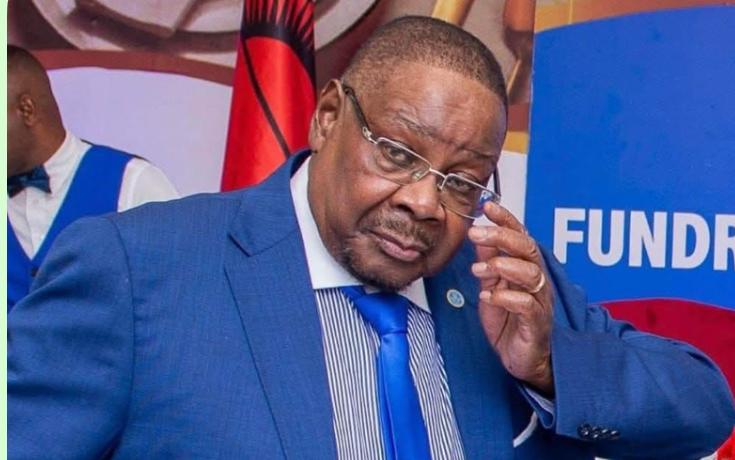
Mbilizi added that since President Peter Mutharika returned to office, the administration had renewed its commitment to the project.
“Since this government came into power, the project has started receiving funding,” she said.
She assured Parliament that residents of Salima, Dowa and Lilongwe would begin benefiting from the scheme by June next year.
“I would like to assure the people of Salima, Dowa and Lilongwe that, come June 2027, this project should be fully operational,” Mbilizi said.
Phale said communities expected to benefit from the project continue to endure prolonged water shortages as existing supply systems struggle to meet demand.
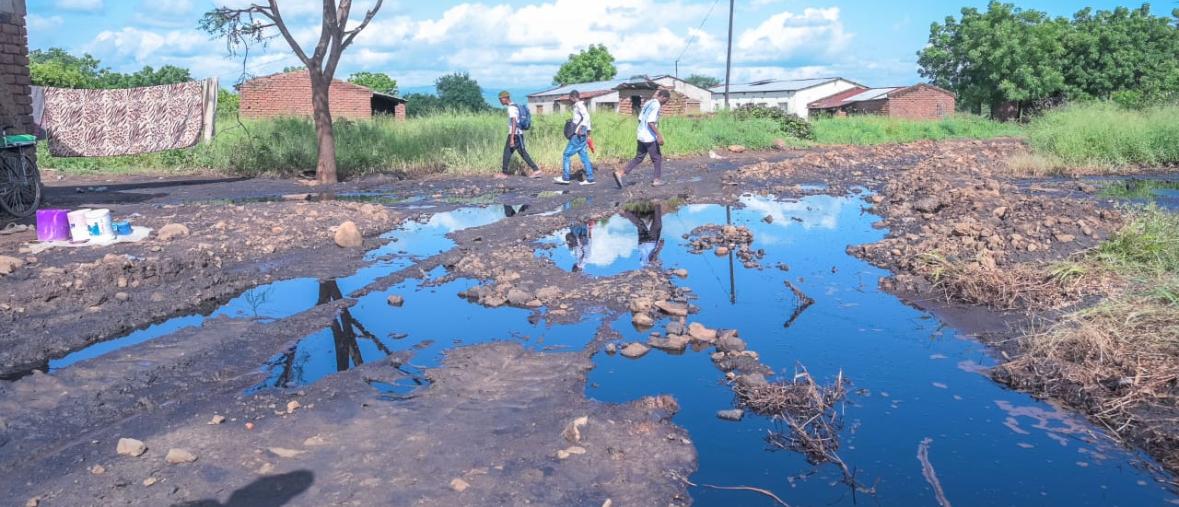
“Communities across Salima, Dowa and Lilongwe continue to experience persistent and, in some cases, worsening water shortages. Existing water supply systems are frequently failing, with taps running dry for prolonged periods,” he said.
He warned that the shortages were disrupting households, businesses and essential public services, particularly healthcare facilities where reliable access to clean water is critical.
The Salima-Lilongwe Water Supply Project is estimated to cost US$351 million. Once completed, it is expected to deliver 100 million litres of water per day through a 120-kilometre pipeline from Lake Malawi to Lilongwe, benefiting an estimated 1.5 million people in Lilongwe, Salima and Dowa.