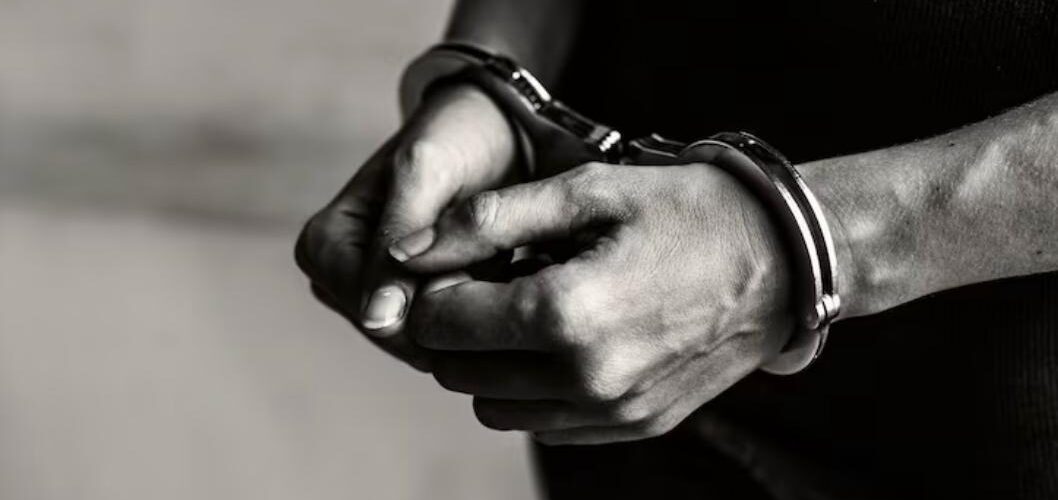
Human rights organisations, opposition leaders and civil society groups have condemned the arrest of activist Sylvester Namiwa, warning that the move risks undermining constitutional freedoms and creating a climate of fear for citizens demanding accountability.
NEWS | Politics | Human Rights | Edwin Mauluka
Human rights organisations, opposition politicians and civil society leaders have condemned the arrest of activist Sylvester Namiwa, accusing police of using the law to intimidate citizens who demand accountability from public officials.
Namiwa, Executive Director of the Centre for Democracy and Economic Development Initiatives (CDEDI), was summoned to Area 30 Police Headquarters in Lilongwe on Thursday before being transferred to Lingadzi Police Station, where he remains in custody.
Deputy National Police spokesperson Alfred Chimthere said Namiwa was arrested on charges of publishing false news and conduct likely to cause a breach of the peace.
The charges stem from a recent press briefing in which Namiwa called on Minister of Lands, Housing and Urban Development Chimwemwe Chipungu to publicly disclose land allocations and the findings of a land audit amid allegations of corruption within the ministry.
Namiwa also challenged the minister to explain the source of his wealth, including funding for the construction of the multi-million-kwacha Backyard Park Hotel in Lilongwe and the acquisition of seven luxury vehicles.
Opposition denied access
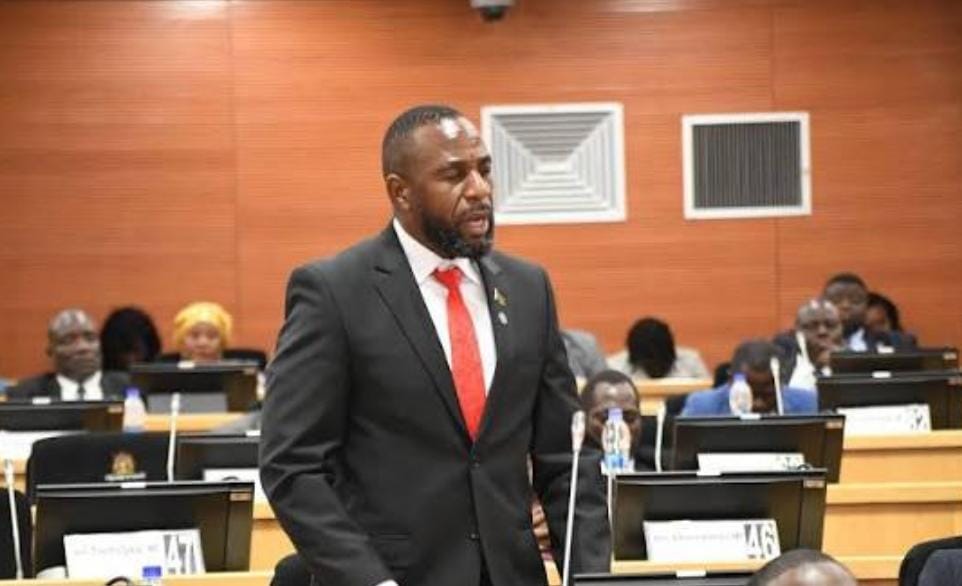
United Transformation Movement (UTM) president Dalitso Kabambe, accompanied by other politicians and human rights defenders, travelled to Lingadzi Police Station after Namiwa’s arrest. They said police refused to grant them access to the activist despite waiting for about an hour.
Speaking outside the station, Kabambe called for transparency and adherence to the rule of law.
“Malawi must never become a police state,” he said.
In a subsequent statement, Kabambe described the arrest as a test of Malawi’s commitment to justice, transparency and democracy.
“Our plea is that the authorities must handle this matter with transparency, fairness and strict adherence to due process, and clearly account for both the allegations against him and the eventual conclusion of the matter,” he said.
Kabambe argued that state power should protect citizens rather than intimidate or silence those exercising their constitutional rights.
“It is deeply troubling that human rights defenders appear to experience similar treatment under different political administrations. Arrests and investigations must not become headlines without credible conclusions. Where there is a case, let the law take its course. Where there is no case, let justice clear the individual and restore their dignity.”
He warned that such arrests risk creating the perception that state institutions are being used to suppress dissent.
“Our democracy must be bigger than politics. The Constitution must protect every Malawian, whether they support the government, question it or challenge it,” Kabambe added.
Muluzi voices concern
United Democratic Front (UDF) president Atupele Muluzi also expressed concern over Namiwa’s arrest, urging authorities to uphold constitutional protections and the rule of law.
“I trust that the relevant authorities will handle this matter professionally, transparently and in full accordance with the Constitution and the rule of law. Our democracy is strengthened when justice is administered fairly and the rights of every citizen are respected,” Muluzi wrote on Facebook.
Earlier on Thursday, before the arrest, Muluzi questioned the police summons and urged authorities to safeguard citizens’ right to speak freely and demand accountability.
“At a time when our country needs greater accountability, transparency and open dialogue, we must be careful that those who raise questions about the conduct of public officials are not made to feel that speaking out comes at a personal cost,” he said.
He added that democracy is strengthened when citizens are free to question those holding public office.
“I therefore stand in solidarity with Mr Namiwa and with all Malawians who peacefully and responsibly advocate for accountability and good governance.”
Civil society raises alarm
Civil society leaders Benedicto Kondowe, Executive Director of the Civil Society Education Coalition and chairperson of the National Advocacy Platform (NAP), and Charles Kajoloweka, Executive Director of Youth and Society, also said they were denied access to Namiwa.
Police told them that visitors are only permitted between 7:00am and 5:00pm, according to Lingadzi Police Station Officer-in-Charge Assistant Commissioner Charles Mpezeni.
Kondowe disputed the explanation, saying they had arrived before 5:00pm but were informed that no authorised officer was available to approve the visit.
“We came here to find out why Namiwa was summoned and the exact reasons for his arrest. It is unfortunate that we could not get answers because police denied us the opportunity to meet him,” Kondowe said.
He alleged the restrictions appeared designed to prevent anyone capable of assisting Namiwa from accessing him.
HRDC warns against intimidation
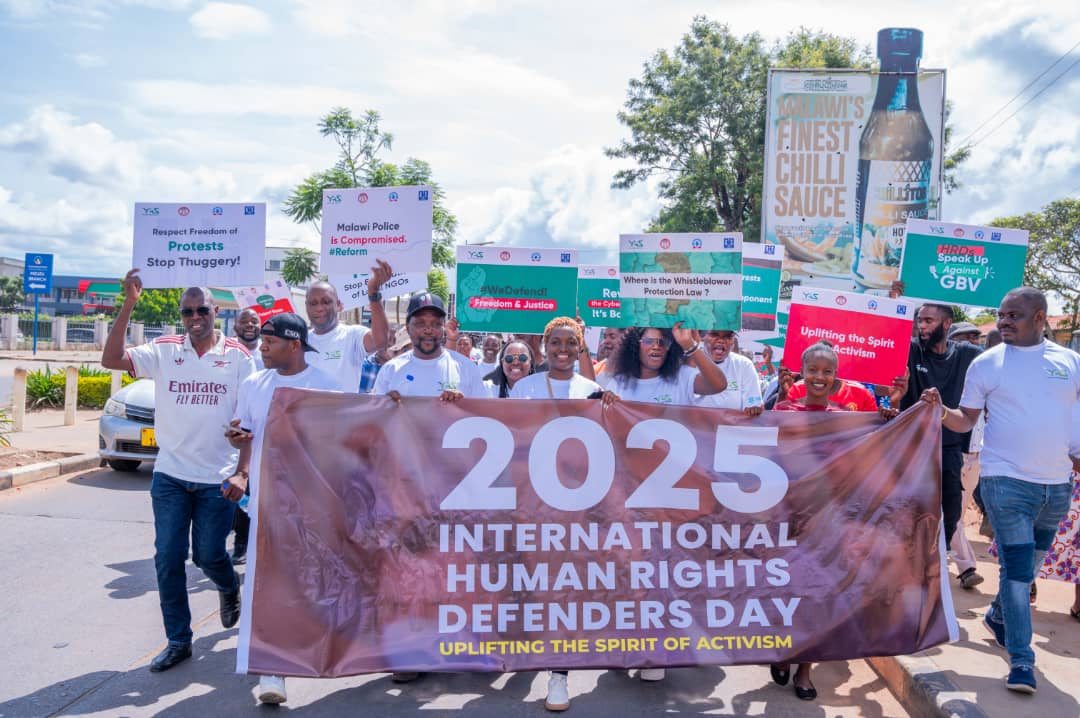
The Human Rights Defenders Coalition (HRDC) also criticised the police action, describing it as part of a growing pattern of intimidation targeting citizens and organisations demanding transparency and good governance.
In a statement signed by chairperson Michael Kaiyatsa and National Coordinator Kelvin Chirwa, HRDC said repeated police summons, legal threats and other forms of pressure create an atmosphere of fear and self-censorship.
“Such actions discourage human rights defenders, journalists and ordinary citizens from freely exercising their constitutional rights, while undermining public participation, accountability and democratic governance,” the statement said.
The coalition urged the Malawi Police Service to avoid creating the impression that law enforcement agencies are being used to silence critics.
“We further urge public officials to embrace scrutiny and constructive criticism as an integral part of democratic governance rather than responding in ways that may have a chilling effect on public participation,” the statement added.
Events leading to the arrest
CDEDI Communications Officer Promise Thom said Namiwa had been instructed to report to National Police Headquarters at 2:30pm to meet Criminal Investigations Department head Gerland Chiwanda, before proceeding to meet Inspector General Richard Luhanga.
According to Thom, the summons came only hours after Lands Minister Chipungu, through his lawyers Khwima Mchizi, demanded an apology over allegations made during CDEDI’s press briefing on Monday.
Thom also alleged that Namiwa received a telephone call on Wednesday from Norman Chisale, identified as President Peter Mutharika’s personal bodyguard and Deputy Minister of Homeland Security, expressing displeasure over remarks made during a recent Luntha TV interview.
“CDEDI is assuring the nation that despite the pressure, including life-threatening remarks and the prospect of imminent arrest, Mr Namiwa remains committed to holding public officials accountable for their actions and inactions,” Thom said.
Namiwa remains in custody at Lingadzi Police Station and is expected to appear in court for a bail hearing.