Parliament has approved a US$50 million World Bank loan to boost exports and small businesses, alongside an US$80 million grant to strengthen local governance and improve service delivery through district councils.
NEWS | Economy | By Edwin Mauluka
Malawi’s Parliament has approved legislation authorising the government to borrow US$50 million (about MWK86.65 billion) from the International Development Association (IDA) to strengthen the country’s export sector and improve access to finance for exporters and productive businesses.
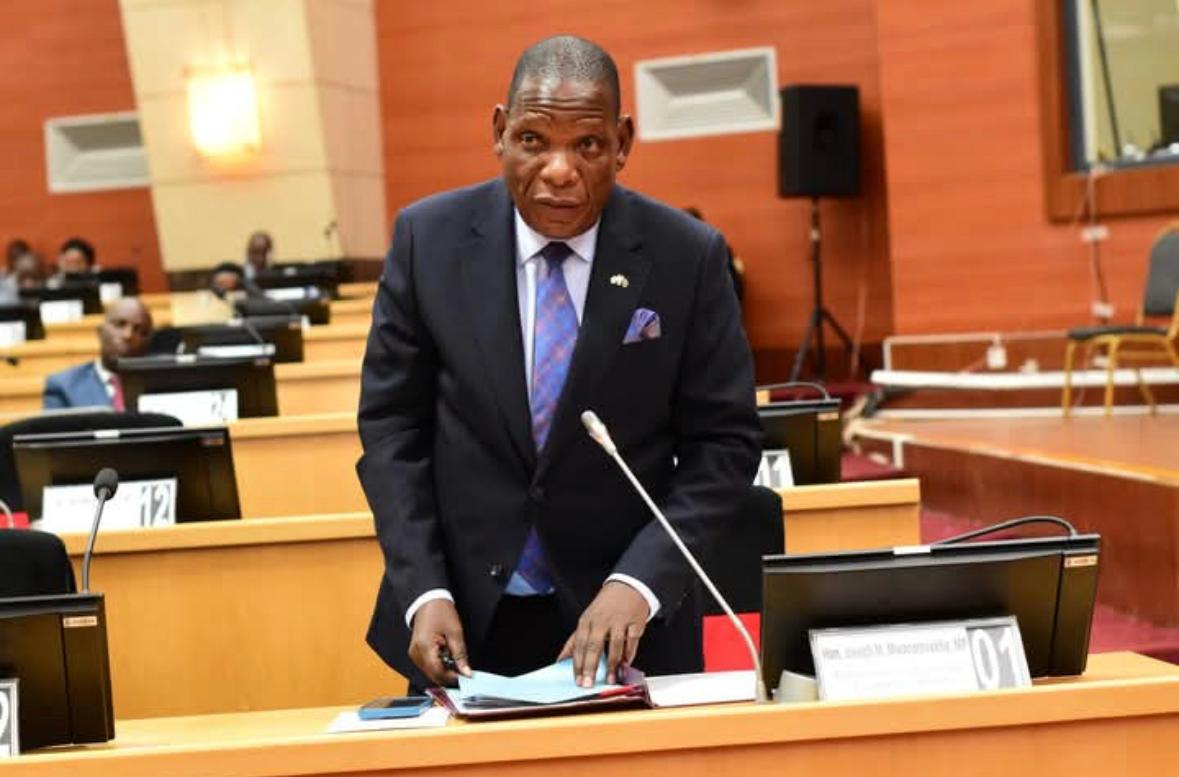
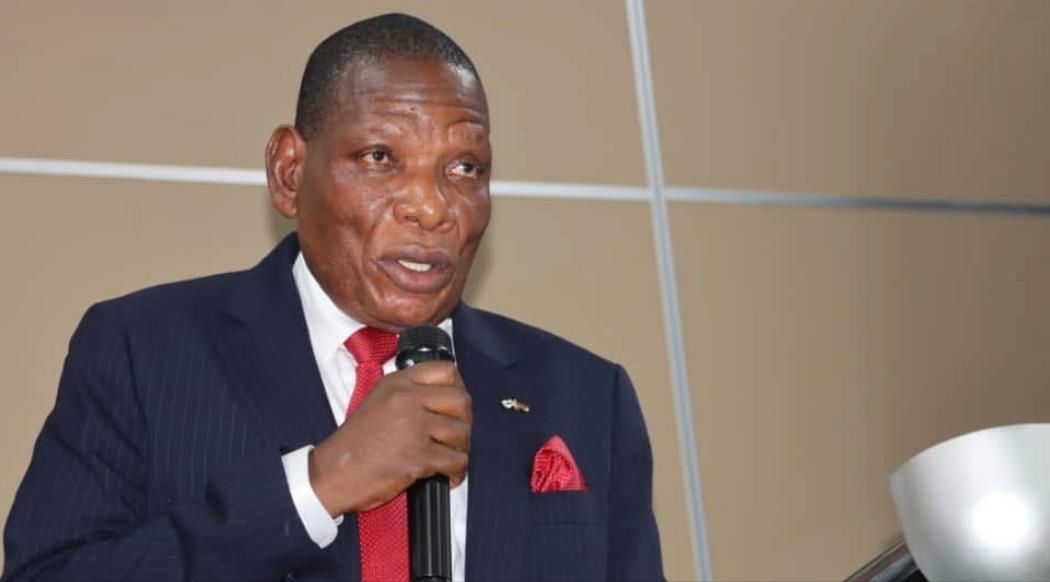
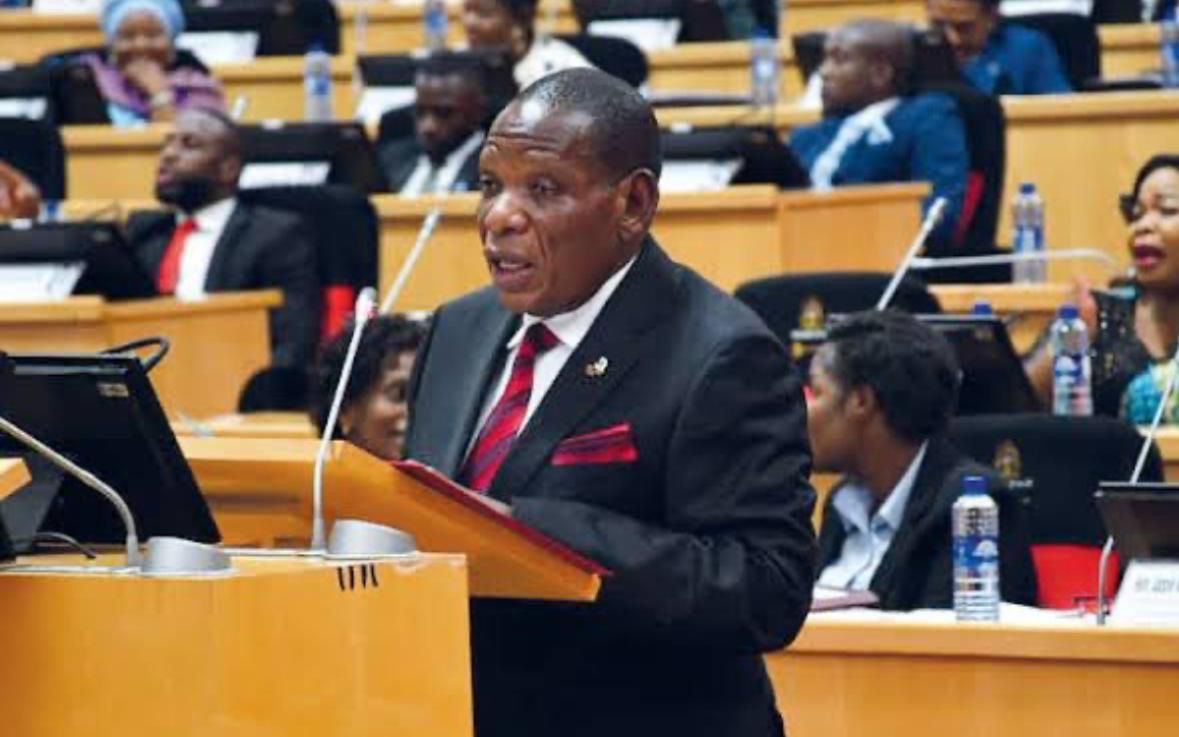
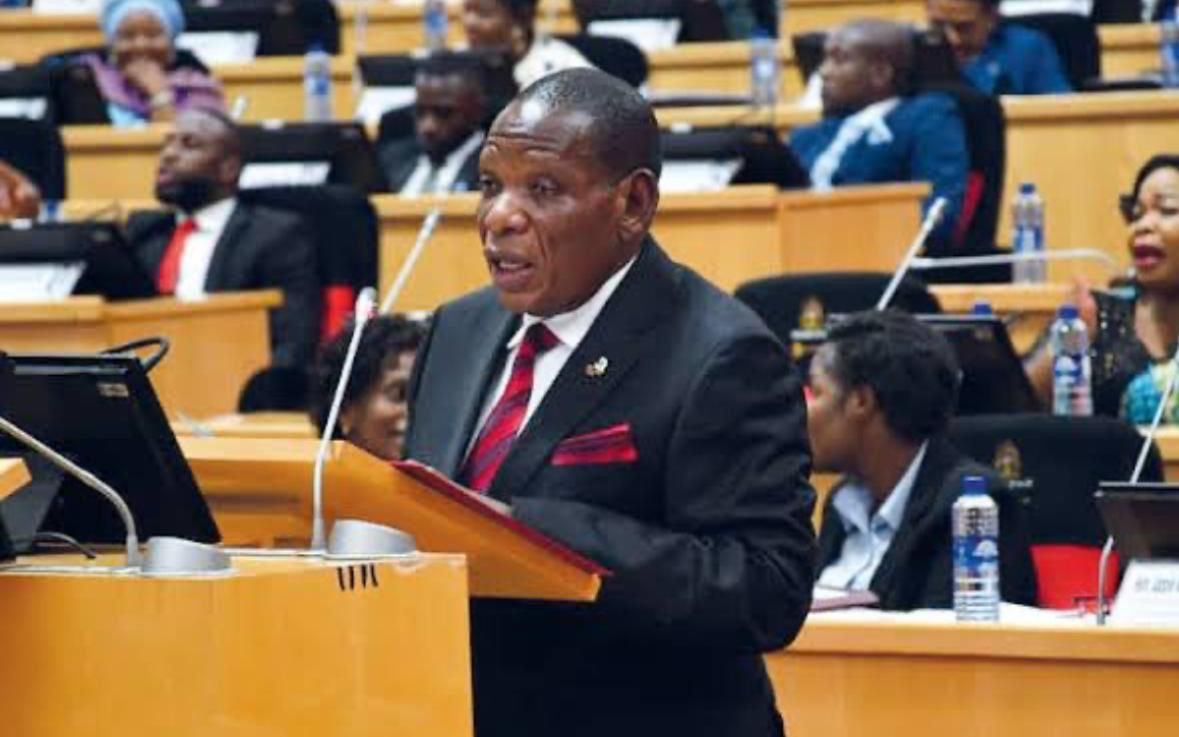
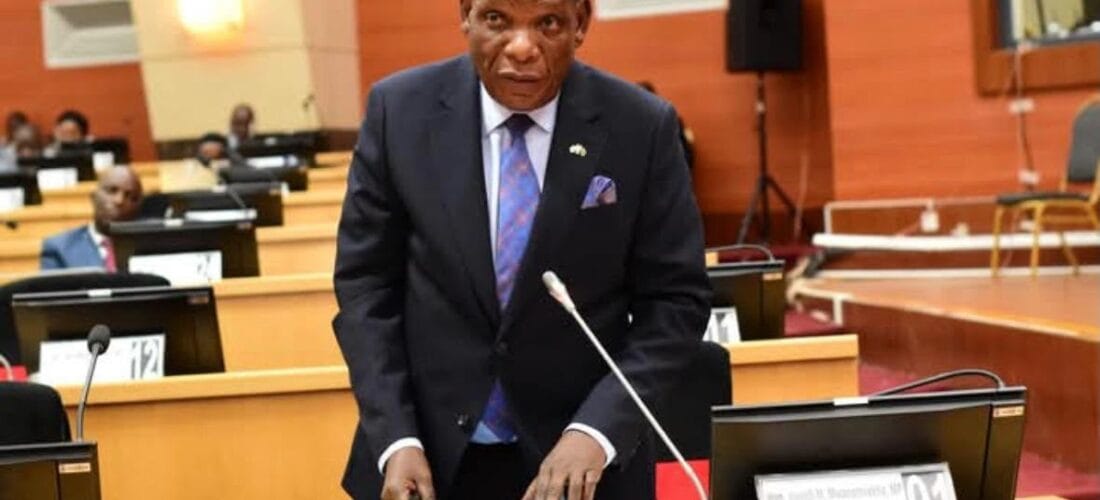
Presenting Bill No. 7 of 2026: International Development Association (Transforming High-Potential Resilient Value Chains Project), Minister of Finance, Economic Planning and Decentralisation Joseph Mwanamvekha said the five-year programme, running from 2026 to 2031, is designed to expand exports, stimulate private sector growth and ease foreign exchange constraints.
The project will target direct exporters as well as small and medium-sized enterprises (SMEs) that supply export businesses, addressing what the minister described as Malawi’s narrow industrial and export base.
“Malawi also faces declining job creation, with formal employment covering less than 9% of the workforce, while exports remain heavily concentrated in raw tobacco,” Mwanamvekha said.
“Meanwhile, access to finance is severely constrained, with credit to GDP below 10% and lending rates ranging between 28% and 30%.”
He said the financing aligns with the National Economic Recovery Plan, which identifies a narrow export base, persistent foreign exchange shortages, weak manufacturing capacity, limited value addition and inadequate financing for productive enterprises as major constraints to economic growth.
Under the project, around 100 firms are expected to graduate from export readiness programmes, with a particular focus on women-owned businesses. Government also expects to support 300 companies to expand exports, enable 1,500 businesses to access debt financing, help 200 firms obtain climate-risk financing and create nearly 2,000 jobs for women.
The initiative is also expected to mobilise almost US$211.5 million in private capital through matching grants.
Mwanamvekha said the financing would address one of the biggest barriers facing exporters by providing both local and foreign currency credit.
“The local currency line will support working capital and investment in climate-resilient technologies. The foreign exchange component will finance letters of credit for importing critical inputs for exporters who can repay in US dollars, easing the forex shortages that force many businesses to operate below capacity,” he said.
The project will also provide technical assistance to the ministries responsible for industrialisation, trade and tourism to strengthen implementation of the Control of Goods Act, streamline export licensing procedures and update the country’s trade policy.
“It will also support government to establish a transparent, rules-based process for decisions on export restrictions,” Mwanamvekha added.
Additional technical support will be provided to the Reserve Bank of Malawi, the Malawi Agricultural and Industrial Investment Corporation (MAIIC) and the Ministry of Finance to strengthen the management of financial instruments.
“By strengthening high-potential export value chains, improving access to working capital and foreign exchange financing, and promoting transparent trade facilitation, this project will increase exports, generate foreign exchange, create jobs and contribute to the National Economic Recovery Plan,” he said.
Responding on behalf of the opposition Malawi Congress Party (MCP), Lilongwe Phiri Lanjuzi MP Peter Dimba welcomed the Bill, saying it could help address Malawi’s long-standing foreign exchange crisis.
“The Bill could not have come at a better time. Our forex challenges stem largely from our narrow export base,” Dimba said.
He urged the government to ensure beneficiary businesses are selected on merit and encouraged support for any export sectors capable of earning foreign exchange. He also called for faster and less bureaucratic export permit processes.
UTM’s Mwanza Central MP Felix Njawala also backed the Bill, arguing that Malawi must move beyond exporting raw materials.
“For far too long our country has exported raw commodities only to import finished products made from the same materials. That is a cycle we must break through value addition,” he said.
Parliament approves US$80 million governance grant
Parliament also passed Bill No. 8 of 2026: International Development Association (Governance to Enable Service Delivery Project 2.0) (Authorisation and Ratification), allowing the government to access an US$80 million (about MWK142 billion) grant.
The funding will support the second phase of the Governance to Enable Service Delivery (GESD II) programme, aimed at improving decentralisation, strengthening financial management and enhancing service delivery at local government level.
Mwanamvekha said the project seeks to improve the efficiency of public financial management and strengthen governance systems across district councils.
GESD II will finance performance-based grants for local councils, annual Local Authority Performance Assessments (LAPA), business process reviews, performance dashboards, ICT equipment and capacity-building initiatives.
The programme will be implemented by the National Local Government Finance Committee (NLGFC) through June 2031.
Speaking for the MCP, Lilongwe Msinja South MP Francis Belekanyama said the project offered an opportunity to strengthen local governance but urged the government to focus on measurable outcomes rather than administrative compliance.
“The real question is not whether institutions follow procedures. It is whether citizens experience better lives because those institutions function effectively,” he said.
Belekanyama proposed introducing a Citizen Service Delivery Scorecard, strengthening professional capacity within local authorities and expanding digital systems for project monitoring, financial reporting and public performance dashboards.
He also called for an annual Parliamentary Development Performance Report to assess whether governance reforms are translating into improved public services.
Mzimba South MP Khumbo Kachali urged the Ministry of Local Government and Decentralisation to ensure district councils have robust systems in place to manage the funds effectively and maximise their impact.
—
Also Read: Malawi Parliament endorses NEEF law, demands accountability, jail terms for loan abuse
Related: Mutharika issues decree halting exports of unprocessed minerals
Related: Malawi bets on world-class testing labs to unlock exports, grow foreign reserves