
By Edwin Mauluka
The National Economic Empowerment Fund (NEEF) has reverted to its former name, the Malawi Enterprise Development Fund (MEDF), as government pledges to restore sound leadership and refocus the institution on economic growth and job creation.
The change follows the September 2025 elections, which returned the Democratic Progressive Party (DPP) to power after defeating the Malawi Congress Party (MCP). MEDF was originally established in 2014 during President Peter Mutharika’s first term, following the merger of the Malawi Rural Development Fund (MARDEF) and the Youth Enterprise Development Fund (YEDEF).
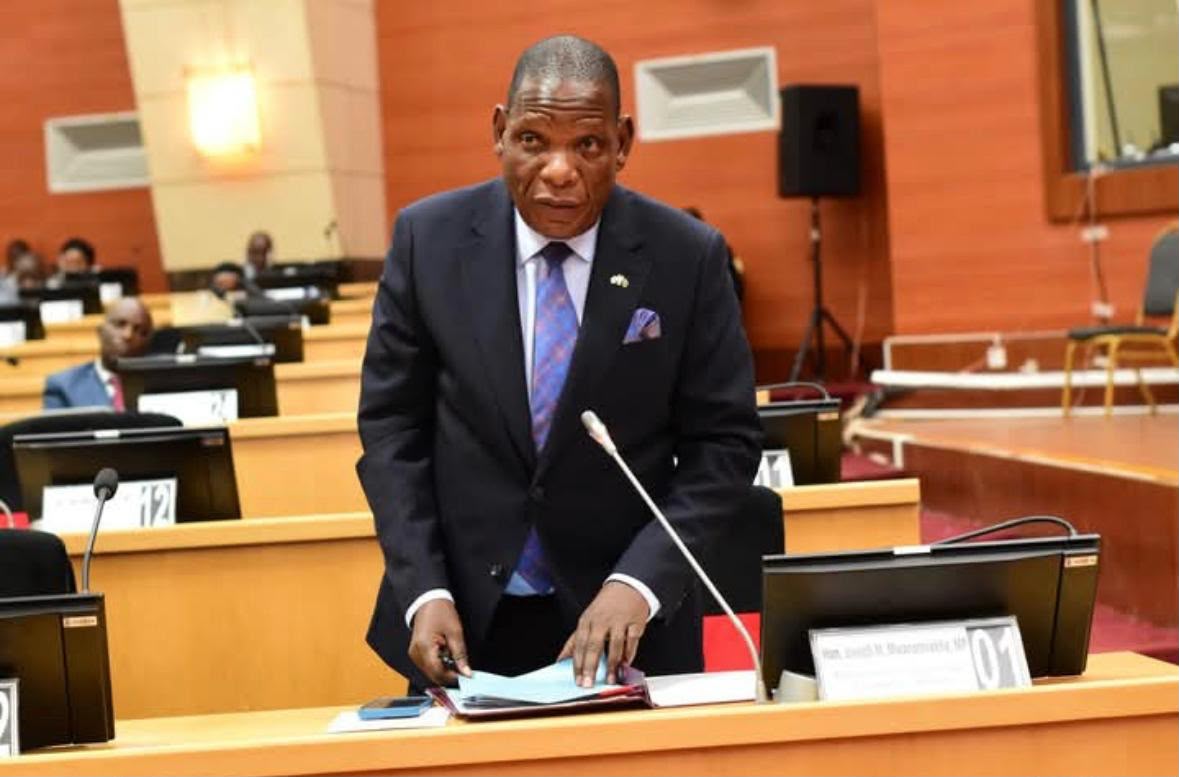
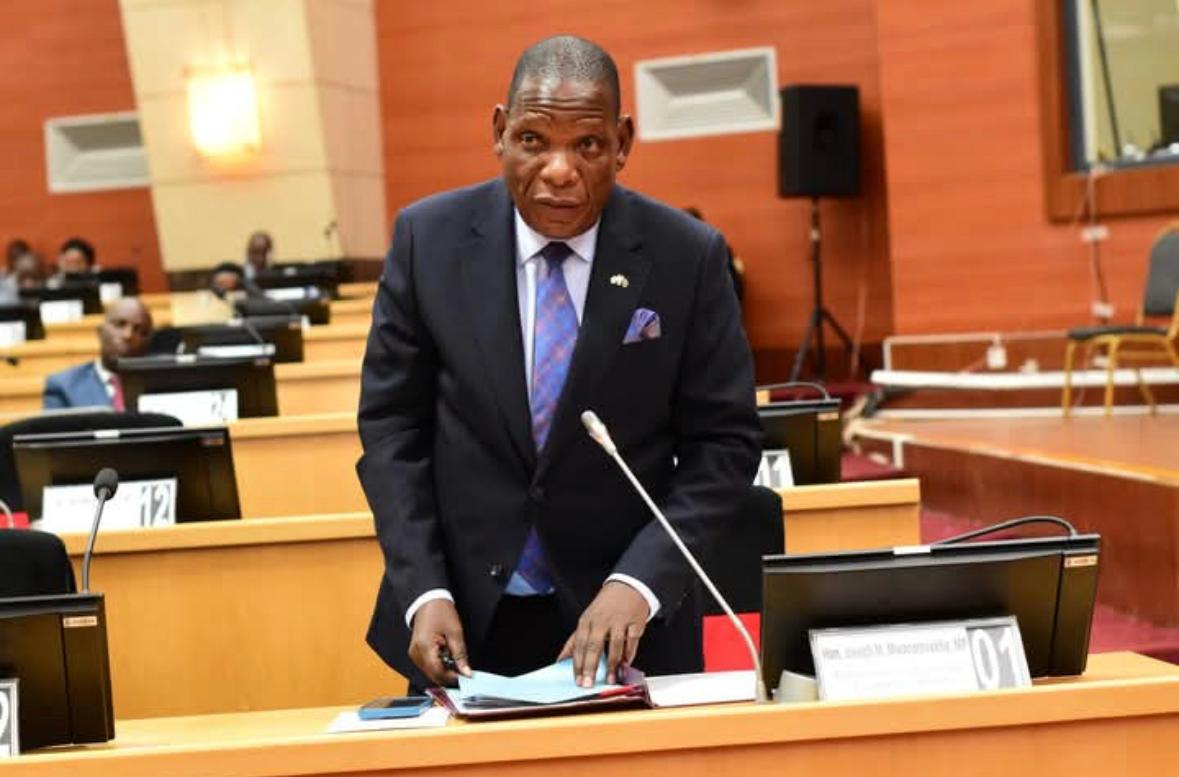
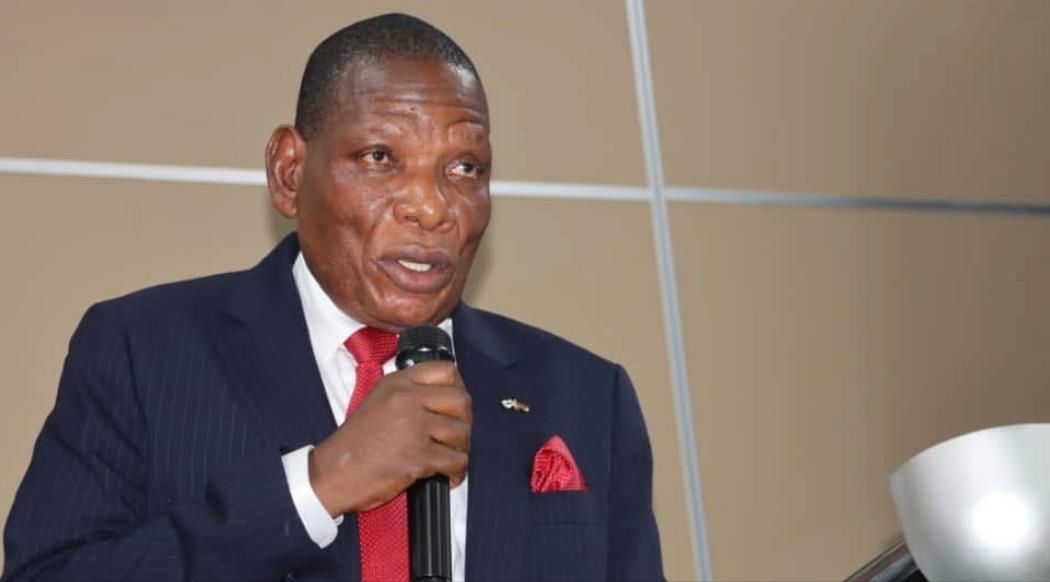
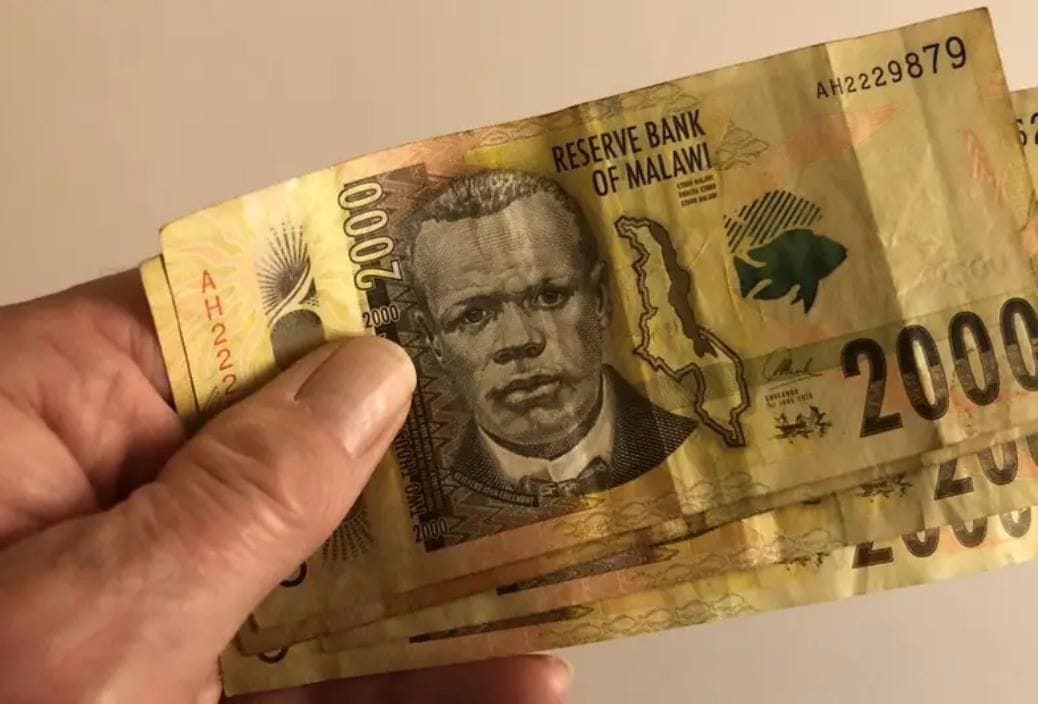
Speaking at the relaunch of MEDF on Wednesday — an event that also marked the rollout of its 2026–2030 Strategic Plan — Minister of Finance, Economic Planning and Decentralisation Joseph Mwanamvekha tasked the new leadership with recovering over MWK200 billion in unpaid loans issued under NEEF.
“We need to agree on how much you are going to collect for us to determine how much more we can allocate to you,” Mwanamvekha said.
He stressed that recovering the funds is critical to sustaining the institution’s revolving loan model and extending opportunities to more Malawians.
“It will be unfair to Malawians if we disburse MWK200 billion and no one repays, yet we continue lending. That money must be recovered so others can benefit,” he said.
Mwanamvekha added that the government will no longer tolerate a culture that treats public loans as handouts. He called for strict enforcement of repayment obligations and robust credit assessment processes for future lending.
“All new loans must follow sound credit underwriting procedures. They must be appraised based on viability, repayment capacity and developmental impact. This is not optional; it is mandatory,” he said.
He reminded borrowers that access to finance is an opportunity to build businesses, create jobs and lift families out of poverty.
“When you take a loan, you carry an obligation not just to this institution, but to fellow Malawians waiting for the same opportunity. Repayment ensures sustainability,” he said.
Mwanamvekha also warned against political interference, saying MEDF must not be used as a tool for patronage.
“This institution exists to serve underserved Malawians—not the well-connected few. Any attempt to interfere with its operations will be resisted. MEDF must operate independently, professionally and on merit,” he said.
He further cautioned management against underperformance, while urging equitable access to loans regardless of region or political affiliation.
MEDF’s mandate is to provide affordable microfinance services to underserved groups, particularly women, youth and persons with disabilities, to improve livelihoods.
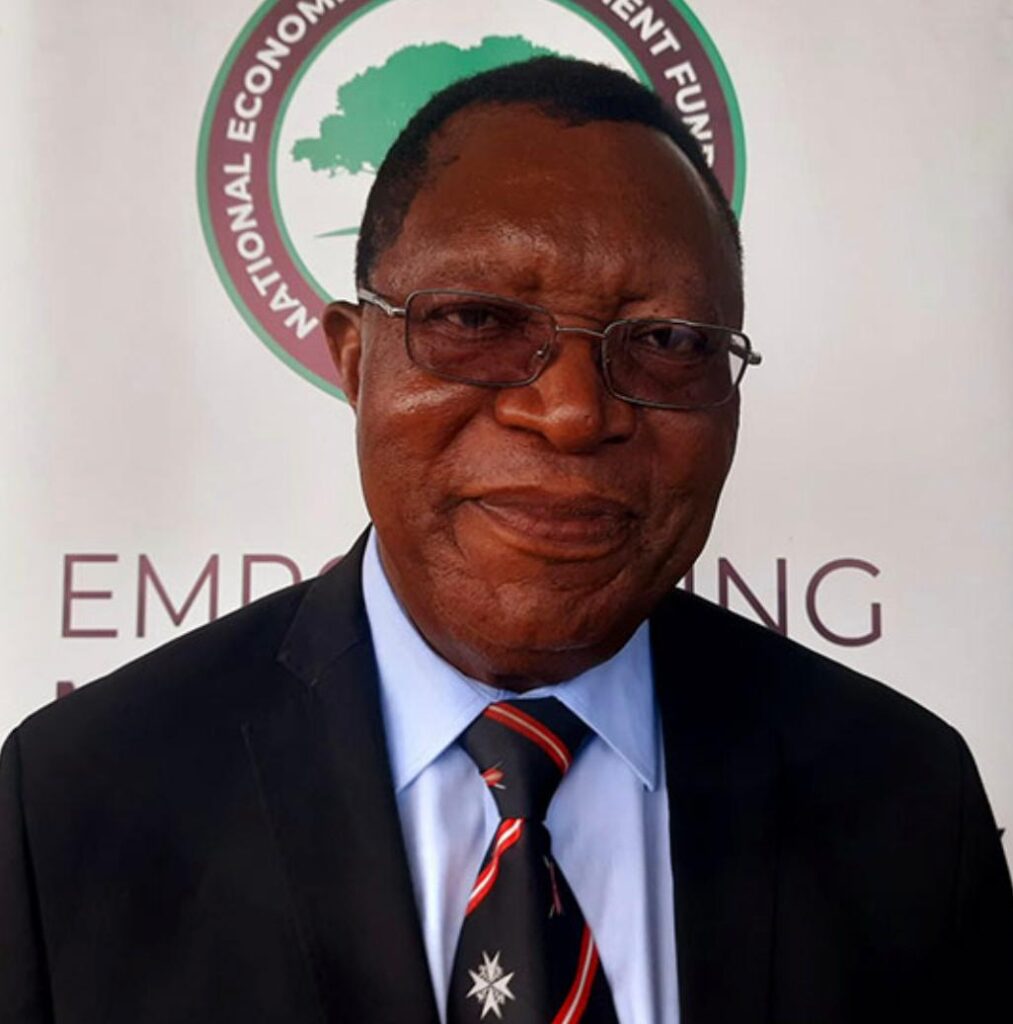
Board chairperson James Naphambo said the institution lost direction after it was rebranded to NEEF in 2020, citing widespread disregard for lending policies and procedures.
“The first problem was loss of direction by management. There was disregard for policies, guidelines and regulations for prudent lending,” Naphambo said.
He said loans were issued without proper assessment of borrowers’ creditworthiness, and the institution moved away from group lending models to unsecured individual lending.
“As a result, we are now owed about MWK211 billion, of which only MWK20 billion is secured. Recovering the rest will be difficult,” he said.
Naphambo attributed some of the failures to political pressure on previous management, but said the consequences had severely weakened the institution.
He also noted that NEEF expanded its operations without adequate assessment of viability.
Despite these challenges, Naphambo expressed optimism that the relaunch of MEDF presents an opportunity to rebuild.
“MEDF will return to sound leadership and management. We will restore policies, guidelines and regulations for prudent lending, and reinstate group lending to enhance security,” he said.
He added that the new strategic plan will support food security and foreign exchange generation, noting that MEDF has equipment for irrigation and resources to finance cross-border trade.
“We also want a mindset change among borrowers. Loans are not gifts, they must be repaid,” he said.
MEDF Planning Services Manager Dr Justice Dunstan Chimgonda-Nkhoma said the 2026–2030 Strategic Plan aligns with Malawi Vision 2063, which aims to transform the country into a self-reliant, upper-middle-income economy.
He said the plan is anchored on six pillars: loan portfolio management, inclusive finance and enterprise development, commercialisation and strategic partnerships, research and innovation, climate-smart financing, and institutional capacity development and governance.
Under loan portfolio management, MEDF will diversify lending across sectors, strengthen credit underwriting and enhance post-disbursement monitoring.
The inclusive finance pillar will expand outreach to underserved but viable beneficiaries, while commercialisation efforts will reduce reliance on government funding by diversifying revenue streams.
“Through partnerships and commercialisation, we aim to improve efficiency, reduce costs and increase financial sustainability,” said Chimgonda-Nkhoma.
He added that research and innovation will guide decision-making, while climate-smart financing will integrate climate risk considerations into all products.
On institutional capacity, he said the ongoing restructuring aims to place the right people in the right roles and address past weaknesses in procurement and administration.
“We are strengthening risk management, monitoring and evaluation systems, and leveraging digital tools for timely oversight,” he said.
Chimgonda-Nkhoma said the strategy will enhance financial inclusion, boost small and medium enterprise productivity, and support job creation, particularly for youth and women.
“We expect increased resilience among businesses and higher forex inflows as we support export-oriented enterprises,” he said.
—
Also Read: Malawi Parliament endorses NEEF law, demands accountability, jail terms for loan abuse
Related: Malawi 2025: Mutharika vows to cancel dubious deals; NEEF closed
Related: Malawi Mega Farms scandal: 938 defaulters named, including politicians