COMMENTARY | Patrick Mwanza
Evangelizing. It is a loaded word in any setting. In a national assembly, it carries even more weight.
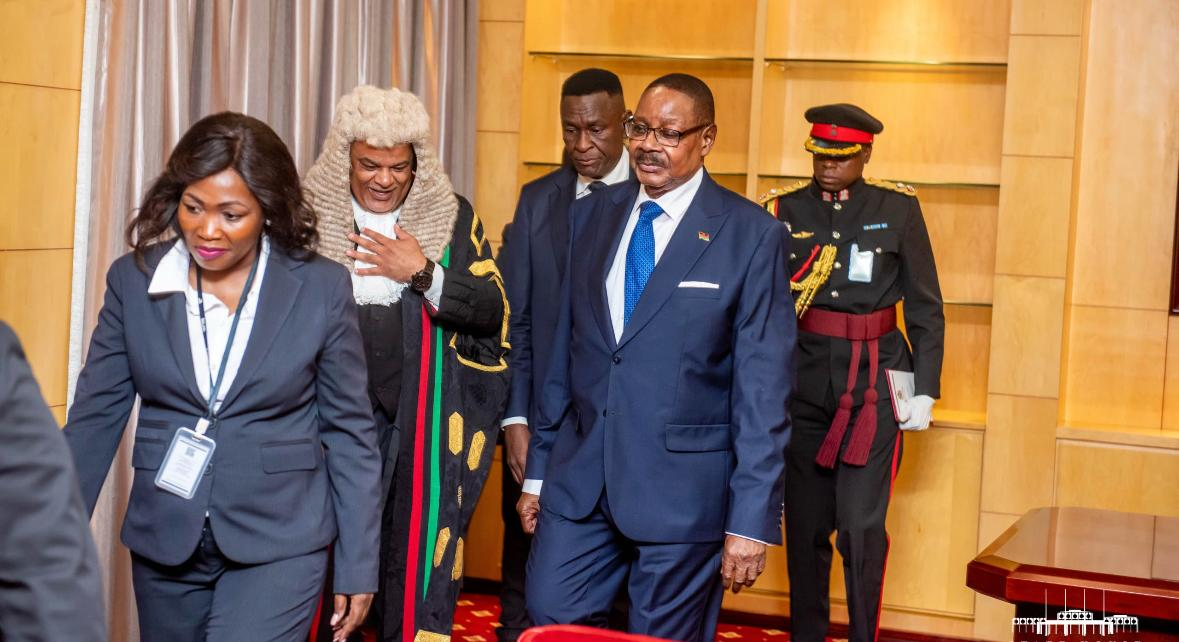
So, did someone try to advance a religious cause from the floor of Parliament? Perhaps. What is certain is that something unusual happened as the 52nd Session of Parliament adjourned indefinitely on April 10, 2026.
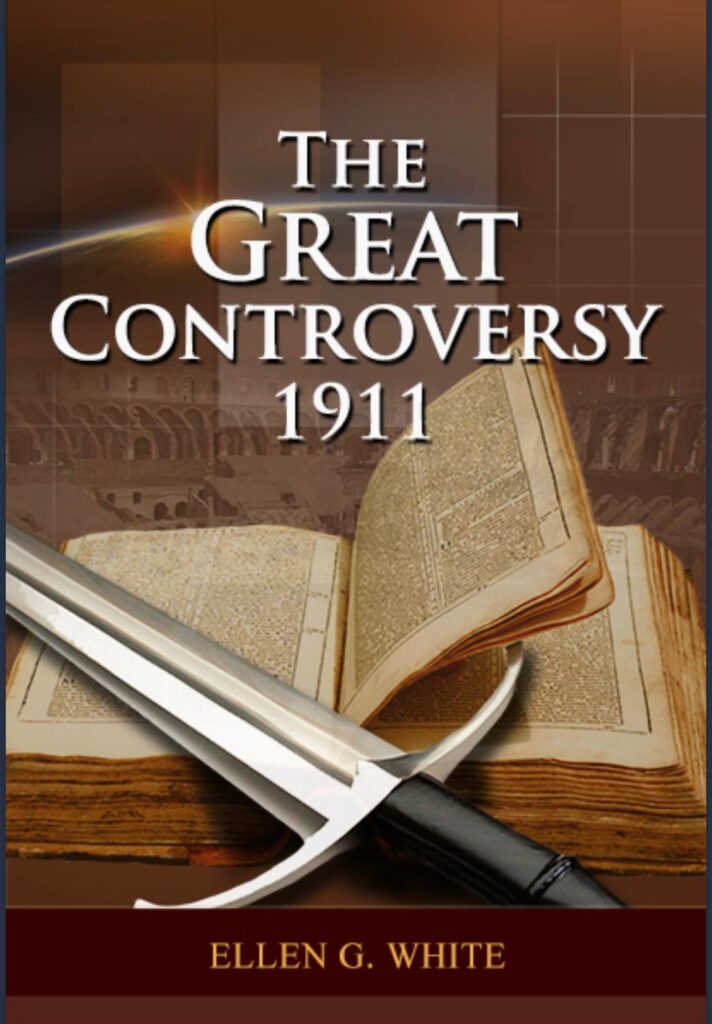
Mwanza Central legislator Felix Njawala arrived with a message. He distributed copies of The Great Controversy by Ellen G. White to all 229 members of the House, working in collaboration with the Mission to the Cities of Soche Seventh Day Adventist Church.
According to Central Malawi Conference Media, Njawala said the effort was meant to raise awareness among lawmakers about the book’s message: a sweeping narrative of Christian history and an urgent framing of the end times.
White, who lived from 1827 to 1915, is a co-founder of the Seventh-day Adventist Church. Her book, widely circulated as an evangelistic tool, traces a line from the destruction of Jerusalem through the Protestant Reformation sparked by Martin Luther. It was a rupture that challenged the authority of the Roman Catholic Church and fractured the unity of Western Christianity. At its core, the book seeks to explain the origin of evil, expose what it frames as Satan’s methods, and deliver a final warning to the world.
Njawala believes that message belongs in the hands of lawmakers. First Deputy Speaker Victor Musowa appears to agree as he encouraged members to read the book and engage with its ideas.
But not everyone is persuaded.
Critics question not only the appropriateness of the gesture but its practicality. The book’s themes are dense, its theology complex. Some argue that expecting lawmakers — many of whom already struggle to articulate coherent policy positions — to absorb and apply such material is a stretch. If policy itself proves elusive, they say, what hope is there for translating eschatology, or study of end times, into governance?
Then again, disagreement is hardly new. It is, in fact, the engine of history. Martin Luther disagreed in a move that changed the course of Christianity.
Supporters of Njawala’s move lean on a familiar biblical image: the parable of the sower. The argument is self-evident: the duty is to plant the seed. What follows is beyond the sower’s control. Some seeds will be trampled. Others will be eaten. That, they say, is no reason not to sow.
Yet there is another camp entirely, one less concerned with theology and more with boundaries. For them, the issue is not the content of the book but the setting in which it was introduced. Parliament, they argue, is not a pulpit. It is a civic space, shared by Christians of many traditions, Muslims, adherents of traditional beliefs, and those who profess no faith at all. To introduce a specific doctrinal message into that space risks blurring a line that ought to remain clear.
And in Malawi, that line has never been simple.
Faith has long been woven into the country’s political fabric. In moments of crisis — hunger, hardship, political tension — people have turned to the church. More than that, the church has, at times, shaped the nation’s trajectory. The 1992 pastoral letter by Catholic bishops challenged the excesses of the one-party state.
The Public Affairs Committee, an interfaith civil society organization, helped steer the transition to multiparty democracy. And when presidential term limits were tested, the church spoke out again and the nation listened, stopping the president from seeking a third term.
For three decades, the church has acted as a kind of national conscience, stepping forward when silence would have been easier.
Today, Malawi faces a different kind of pressure: the steady grind of economic hardship. Rising costs, shrinking purchasing power, and the daily arithmetic of survival. It is in this climate that voters, last September, decisively rejected the incumbent.
In such moments, the question of where faith belongs becomes less abstract.
Is the country’s predicament, as The Great Controversy might suggest, part of a larger spiritual conflict? That is a question for theologians. Parliament, however, must contend with something more immediate: the practical business of governing a diverse nation.
Pushing a singular religious message in that space is not without consequence. It places the House in a delicate position, one that tests not only its tolerance but its identity.
Malawi’s Parliament is many things. A marketplace of ideas. A battleground of interests. A reflection, however imperfect, of the nation itself.
Whether it is also a place for evangelism remains, for now, an open question.
And one that will not be settled by a single book.
—
Also Read: Democracy at a crossroads: Why Malawi must balance freedom with responsibility
Related: Church urges Malawi voters: Elect leaders who keep campaign promises
Related: Citizen critiques CCAP pastoral letter for tepid response to Malawi’s crisis