
PERSPECTIVE | Patrick Mwanza
About 2,191 days ago — nearly six years, depending on how one counts — this author made an argument that, at the time, sat well outside the boundaries of polite policy discussion.
“Kuthena” — which is castration, sterilization or neutering — was proposed not in Parliament, not in a policy paper, but in an online article. It was, then, an idea. A provocation, perhaps. Certainly not law.
The response it drew was telling. Patricia Kaliati, then Minister of Gender, Community Development and Social Welfare, responded in private. She agreed on one point without hesitation: Malawi was failing its girls and women. Stiffer punishment, she said, was overdue. On castration, however, she stopped short.
That is where the matter rested — not debated in the National Assembly, not taken up as policy. Just an uncomfortable idea, lingering at the edges of public discourse.
Until now.
Six years later, what was once an opinion has found its way into Parliament. Lawmakers are no longer skirting the edges of the conversation; they are stepping directly into it.
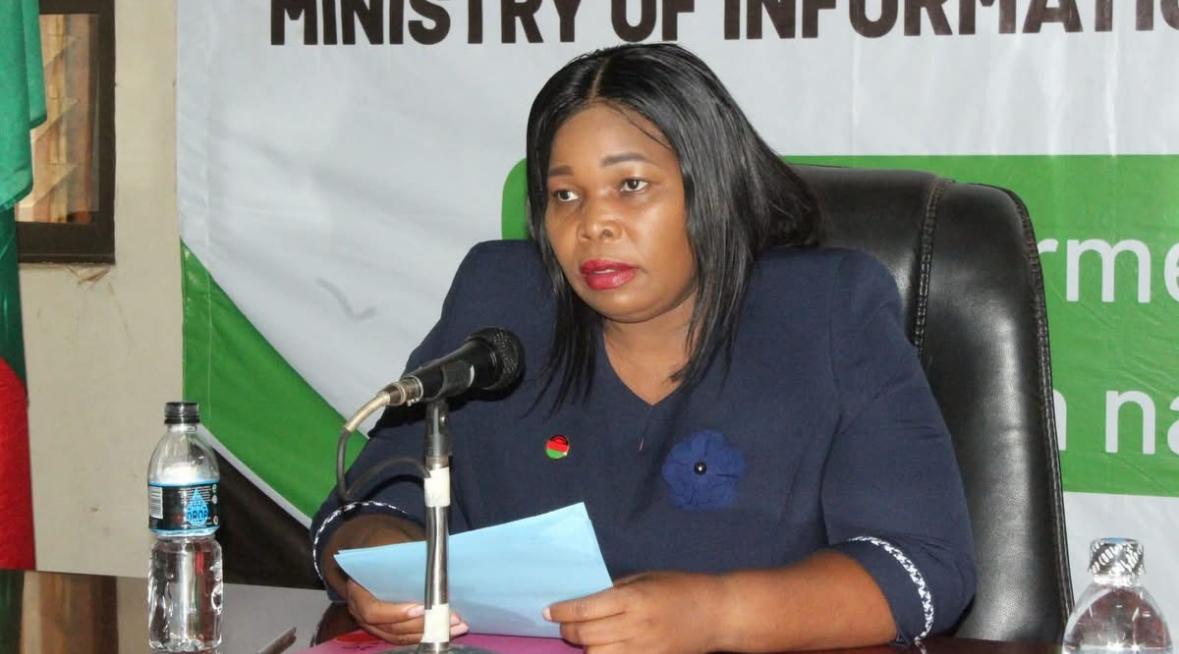
This week, Minister of Gender, Children, Disability and Social Welfare Mary Navicha gave the idea its most forceful political expression yet.
“Good punishment,” she said, “should be cutting the private parts of perpetrators.”
The reaction was immediate — disbelief, laughter, interruption. Speaker Sameer Suleman pressed the obvious counterpoint: what happens when the perpetrator is female?
It was not just a procedural question. It exposed how unprepared the system is to translate raw public anger into coherent law.
However, let the record show — and perhaps this is where the debate needs grounding — that while conventional belief often frames castration as something done to men, medical science tells a more comprehensive picture. Women, too, can undergo castration through the surgical removal of the ovaries, a procedure that results in sterilization and significant hormonal changes. The question, therefore, is not whether such a measure can apply across genders, but whether it should.
Navicha’s response — that cases of women raping men are rare — did little to settle the matter. Nor did it need to. Because the significance of the moment lies elsewhere.
For the first time, “kuthena” is no longer confined to opinion pages. It is being spoken, seriously, or at least publicly, within the country’s highest lawmaking body.
That shift did not happen in a vacuum.
Malawi’s Penal Code already provides for severe punishment. Defilement of a minor carries the possibility of life imprisonment. In practice, courts tend to impose sentences ranging from 14 to 21 years.
Yet the crimes persist.
And so the old question returns, sharper than before: if the law is already harsh, why does it not deter?
Part of the answer may lie in the gap between sentencing and reality. A “life sentence” is not always life. Offenders do return to society. And prison, as experience has shown in many places, does not reliably reform those convicted of sexual violence.
Which leaves society with an uneasy burden: how to protect the vulnerable when the system itself appears porous.
It is in that space — between law and lived reality — that “kuthena” has resurfaced.
Justice Minister Charles Mhango approached the matter with caution, as one might expect. Castration, he noted, is not merely punitive; it raises legal, medical and human rights questions that cannot be answered in the heat of parliamentary exchange.
Still, caution may not be what the public is demanding.
Because beneath the debate is something deeper than policy: a quiet, accumulating anger. Victims and their families carry it. Communities absorb it. And when justice feels delayed or diluted, that anger looks for expression.
“Kuthena,” in this sense, is not just a proposal. It is a signal that patience is thinning; that conventional measures are seen as insufficient; and that something more decisive is being demanded.
Whether that “something” should be castration is, of course, another matter entirely.
What is undeniable, however, is the shift. Six years ago, the idea lived online, acknowledged cautiously in private correspondence but kept at arm’s length from policy.
Today, it is on the floor of Parliament.
Malawi has not yet decided what to do with it. But it can no longer pretend the conversation does not exist.
—
Also Read: ‘Why debate?’ MPs question budget process as recommendations go nowhere
Related: Malawi 2026/27 Budget Meeting Guide: Key dates, process and priorities
Related: Parliament approves new taxes as Mwanamvekha warns of economic trouble