ANALYSIS | GUEST ESSAY | Anthony Simwaka
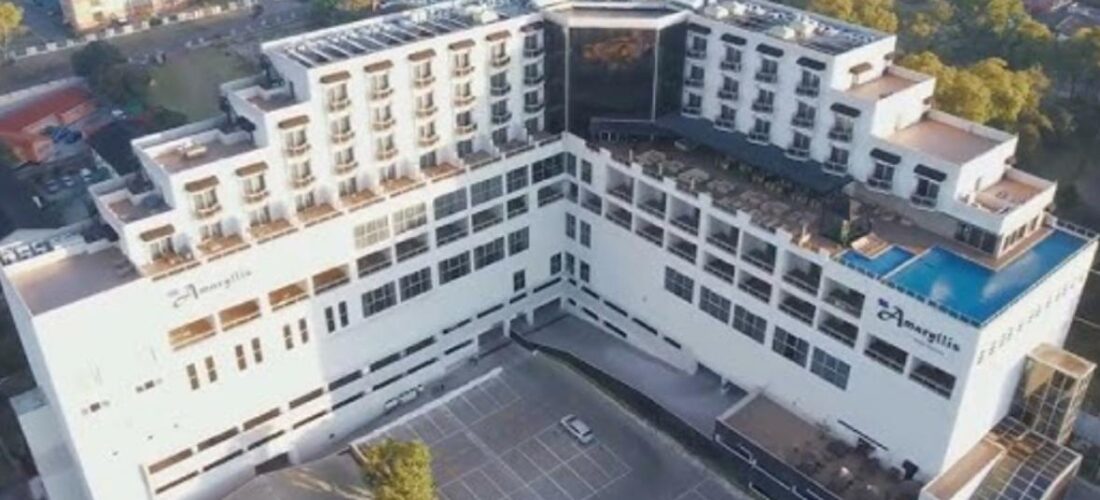
The controversy surrounding the sale of the Amaryllis Hotel continues to generate significant public concern, particularly on issues of transparency and governance. Allegations of irregularities in the transaction process are now widely acknowledged by many observers, raising questions about how the deal was structured and approved.
While the Anti-Corruption Bureau (ACB) has begun tracing the K5 billion cash flows linked to the sale through one of the commercial banks, concerns persist about the pace and scope of its investigations. These concerns are heightened by the unusual manner in which the contractual arrangements were concluded.
Equally puzzling to stakeholders is the apparent lack of visible action involving the Pension Fund’s Board of Trustees. In comparable cases across other public institutions, officials have faced charges or have been brought before the courts on allegations of abuse of office. This perceived inconsistency has fueled concerns about whether investigative and enforcement standards are being applied uniformly. Oversight bodies must demonstrate impartiality and ensure that all individuals entrusted with public financial management are held to the same level of accountability.
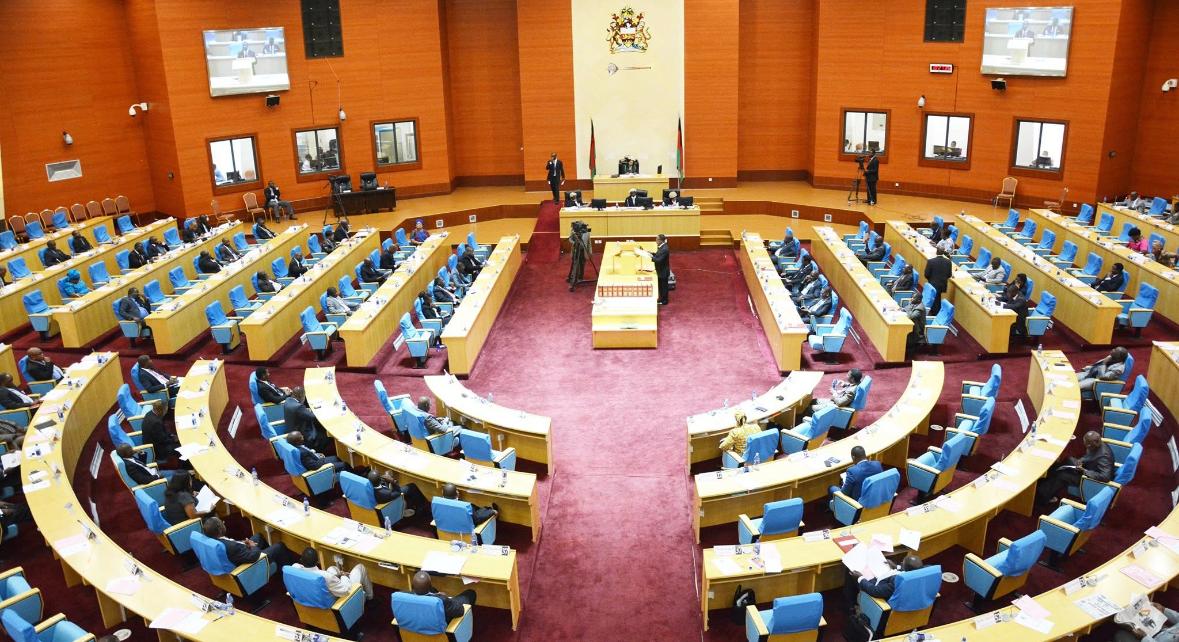
As the Public Affairs Committee (PAC) continues its inquiry, there is an opportunity to strengthen the effectiveness of its work. While the committee has shown commitment to uncovering the facts, the complexity of financial and contractual matters demands strong technical support. Many parliamentary committees globally — including those in the U.S. Congress — rely on specialized staff to conduct research, prepare briefs, and provide real-time guidance during hearings. Establishing similar support systems would enable PAC members to ask more precise and technically informed questions, particularly on issues such as investment performance, actuarial assumptions, and fund governance.
Another critical dimension of the issue is the treatment of pension beneficiaries. For years, many retirees have faced delays — sometimes exceeding two years — in accessing their benefits, often being told that funds were unavailable. However, recent disclosures indicate that the Pension Trust Fund held more than K128 billion in reserves. This contradiction raises serious concerns about the administration of the fund and the decisions that led to prolonged delays in pension payments. In some cases, retirees have died before receiving their entitlements, highlighting the real human cost of administrative inefficiencies.
This situation brings into focus the question of pension fund solvency — the ability of a fund to meet its current and future obligations without exhausting its resources. It is therefore essential to establish whether the delays were caused by liquidity constraints, such as challenges in converting assets into cash, or by deeper administrative or governance failures. Conducting an interim solvency assessment would provide clarity on the fund’s financial health, including its cash flow position, funding ratio, and capacity to meet future obligations.
Ultimately, restoring public confidence will require a transparent and comprehensive review of the fund’s solvency, governance structures, and administrative processes. Such a review would also help ensure that retirees receive the benefits they are rightfully owed.
There is also merit in expanding the scope of PAC’s inquiry to include perspectives from the sellers involved in the hotel transaction. Hearing from both sides of the deal would enhance accountability, strengthen transparency, and provide a more complete evidentiary record. Even where a transaction has already been concluded, legislative scrutiny is still essential, not only to understand how and why decisions were made, but also to inform future regulatory frameworks and improve oversight of public policy.
—
Also Read: Amaryllis Deal: Mbeta says Zamba-backed OPC pushed Fund despite risks
Related: Amaryllis scandal: Time for President Mutharika to prove his anti-corruption resolve
Related: Fix the flaws, don’t kill the Malawi vice presidency