By Edwin Mauluka
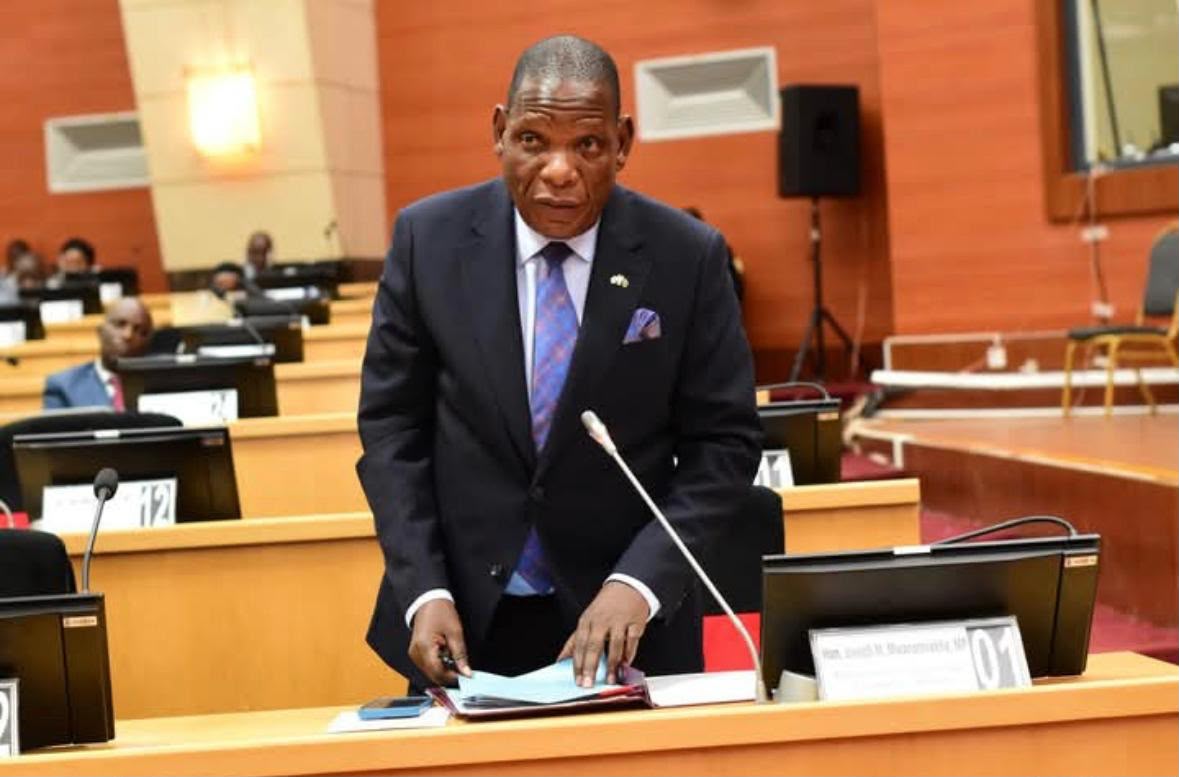
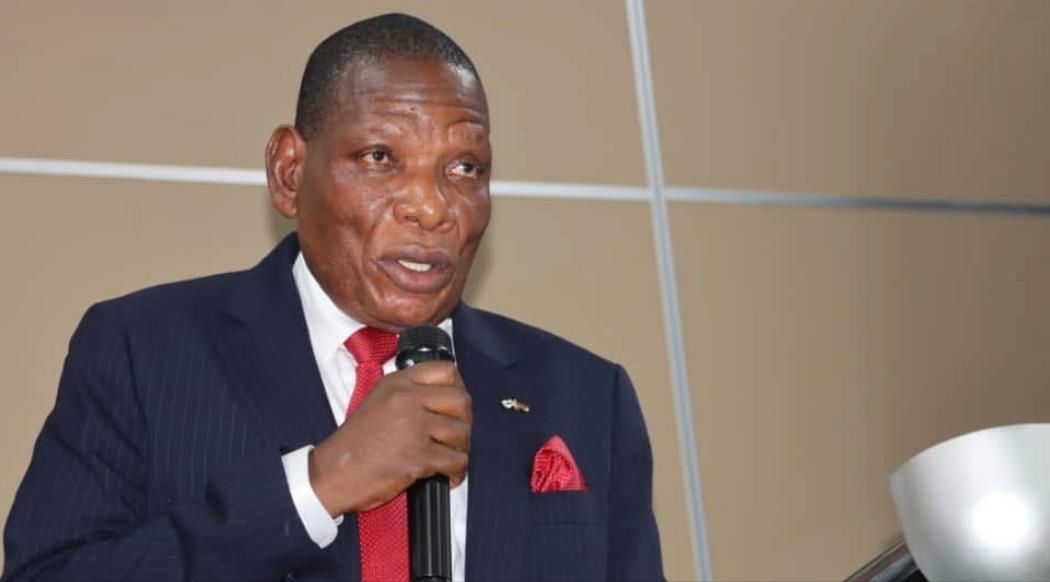
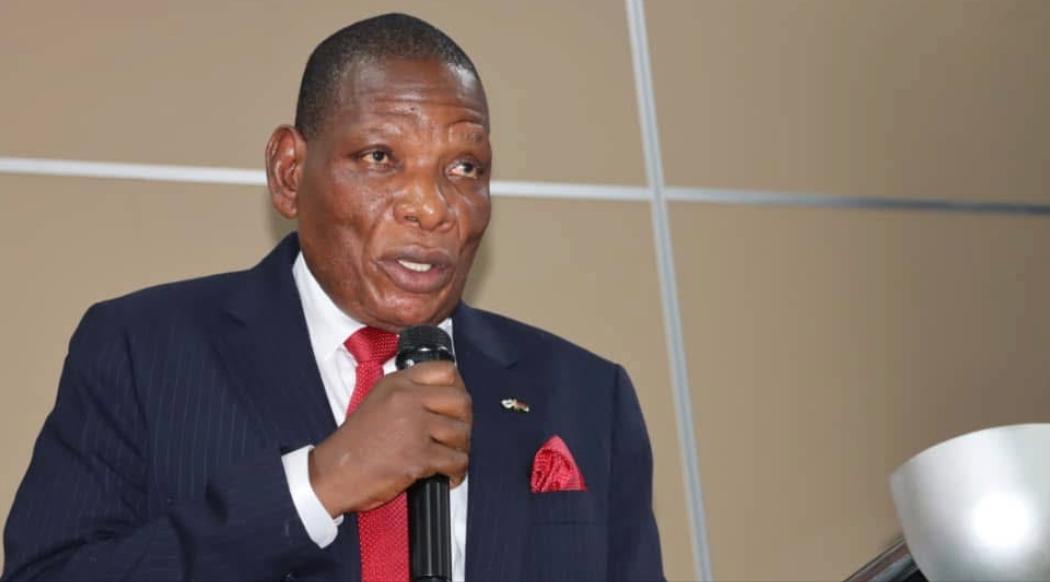
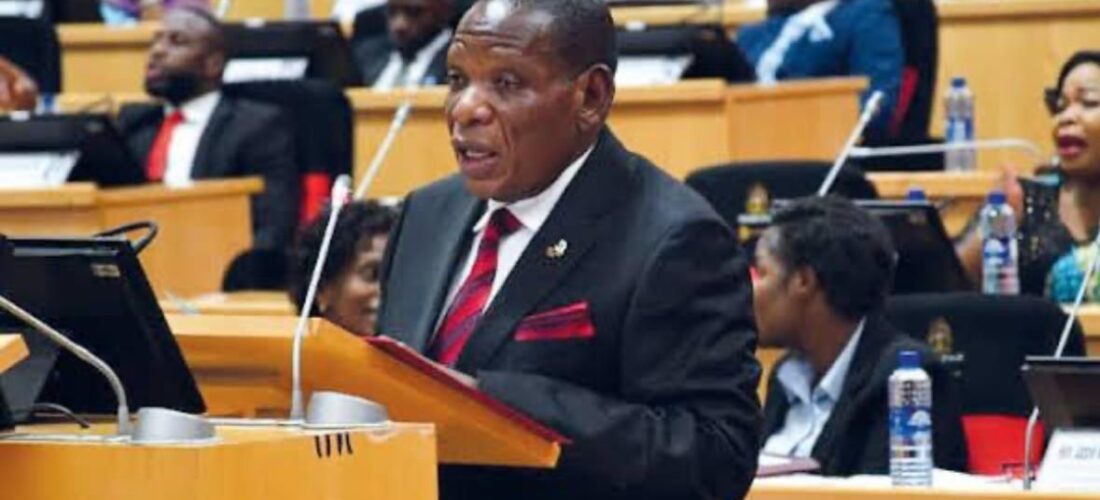
Minister of Finance Joseph Mwanamvekha has urged Malawians to take an active role in tracking the national budget to ensure that approved funds are used for their intended purposes.
Speaking in an interview after the National Assembly passed the MWK10.9 trillion (MWK10,978,491,310,711) national budget, Mwanamvekha said budget monitoring must be a collective responsibility, not one left to Parliament alone.
“For this budget to be implemented effectively, oversight should not only be the role of Parliament. People in constituencies also have a role to play — chiefs, councillors and all citizens,” he said.
He stressed that collective effort in implementing the 2026–2027 budget would lead to a successful fiscal year, adding that the budget reflects the aspirations of Malawians.
Responding to concerns raised by the Parliamentary Budget and Finance Committee on debt management, foreign exchange shortages and levies, Mwanamvekha said the government has prioritised these areas, particularly forex availability.
“The major challenge we face as the Ministry of Finance is foreign exchange availability. Businesses are struggling, and those trading with countries like Tanzania and Zambia are finding it difficult to operate,” he said.
“I am also aware that the private sector is failing to access raw materials. I want to assure Malawians that the government will work to ensure forex is available through formal banking systems, not the black market.”
He acknowledged that without adequate foreign exchange, the economy will continue to face difficulties, despite improvements in other macroeconomic fundamentals.
During the Committee of Supply, Parliament scrutinised and approved all 59 votes allocating funds to various ministries, departments and agencies.
Key allocations include MWK971.3 billion to the Ministry of Agriculture, MWK558.07 billion to the Ministry of Health and Sanitation, and MWK316.6 billion to the Ministry of Education.
Other allocations include MWK119.2 billion for the Ministry of Transport and Public Works, MWK29.8 billion for the Ministry of Industrialisation, Business, Trade and Tourism, and MWK25.5 billion for the Ministry of Labour, Skills and Innovation.
The National Assembly has been allocated MWK76.2 billion, while the Malawi Human Rights Commission will receive MWK4 billion. The Office of the Ombudsman has been allocated MWK3.2 billion, and the Malawi Law Commission MWK3 billion. The Office of the Second Vice President has been allocated MWK4.15 billion.
However, Mwanamvekha cautioned that approving additional funding requests could significantly widen the fiscal deficit.
He said the requests, amounting to MWK2.3 trillion (7.2 percent of GDP), could push the deficit from the current MWK2.85 trillion to over MWK5.1 trillion.
“If we take all these requests on board, the deficit will grow from 9.2 percent of GDP to over 16 percent,” he warned.
Meanwhile, Parliament on Wednesday passed Bill No. 1 of 2026, which is an appropriation bill, authorising government expenditure for the 2026/2027 Financial Year.
The bill provides for the allocation of K10,978,491,310,711 towards goods and services for the financial year ending 31st March, 2027 and itl empowers the finance minister to authorise withdrawals from the Consolidated Fund in accordance with the Public Finance Management Act.
Under the appropriations bill, the approved funds will be appropriated across various Votes as outlined in the national budget, covering both Recurrent and Capital Accounts for Ministries, Departments and Agencies.
The bill stipulates that any unspent balances at the close of the financial year will lapse and cannot be carried forward for use in subsequent periods.
—
Also Read: Mwanamvekha: MCP govt performance on Malawi economy ‘below par’
Related: Malawi 2026/27 Budget Meeting Guide: Key dates, process and priorities