OPINION | BLUE ECONOMY
Guest Essay by Nkhondo Lungu
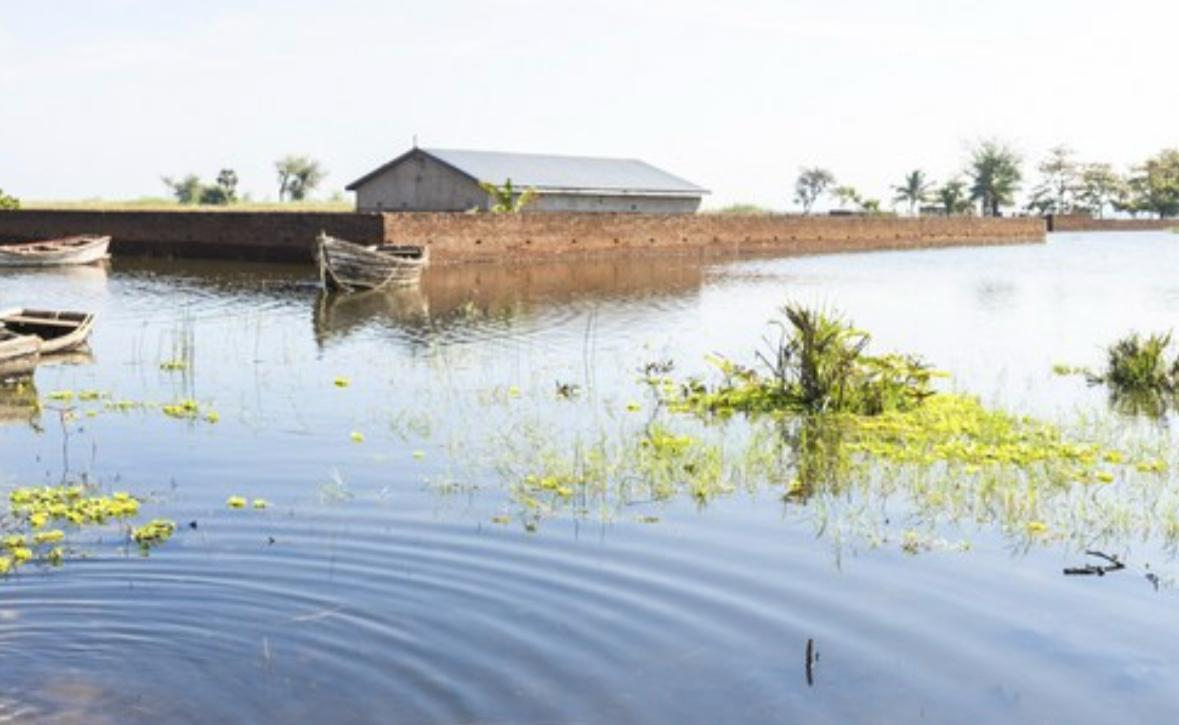
Among Malawi’s many natural endowments, one stands out for both its beauty and economic promise: Lake Malawi. This vast freshwater lake is home to one of the richest diversities of fish species on the planet. Scientists estimate it harbors over 1,000 species, most of them found nowhere else in the world.
At the center of this biodiversity is Chambo (tilapia), widely regarded as one of the best-tasting fish. Its flavor and market demand make it a prime candidate for both local consumption and commercial aquaculture expansion.
Lake Malawi itself is a unique ecological system. Situated within the Great African Rift Valley, the lake lies well below sea level and has alkaline, meromictic waters — meaning its deeper layers rarely mix with the surface. This creates distinct ecological zones: oxygen-rich upper layers that support fish life, and deeper, mineral-rich layers that remain largely isolated.
These conditions provide an ideal environment for sustainable aquaculture and the production of high-protein food with strong export potential.
Globally, the fishing industry — comprising both wild capture and aquaculture — is a major economic sector, generating approximately $274 billion annually. It is also a critical source of food and employment. However, the industry faces significant challenges, including overfishing, illegal fishing, pollution, habitat degradation, and climate change.
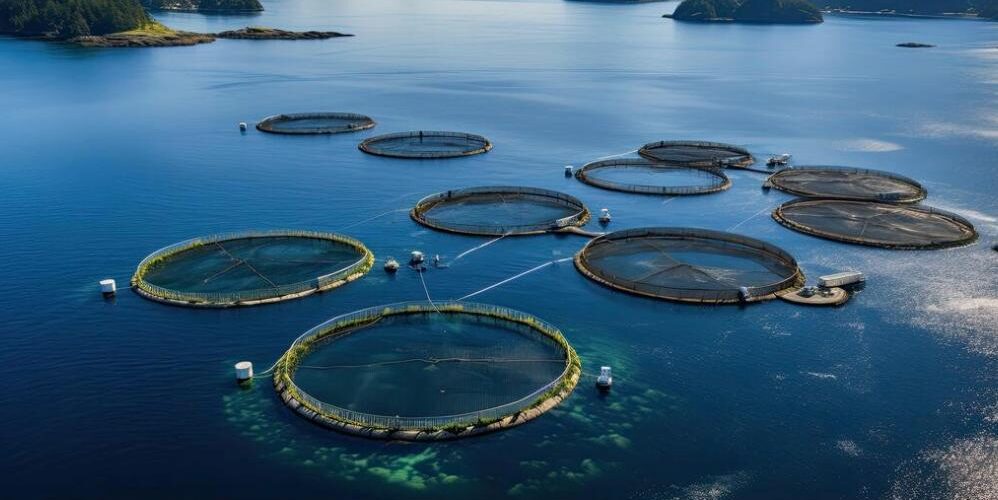
Fishing activities generally fall into four categories: commercial fishing, which involves large-scale harvesting using advanced vessels and technology; aquaculture, the farming of aquatic organisms; artisanal fishing, which is small-scale and often family-run; and recreational fishing, primarily for leisure.
Leading fishing nations include Japan, China, the United States, Peru, India, Chile, South Korea, Thailand, and several Northern European countries. Among these, Norway stands out as a global leader and a model for sustainable, high-value fishing.
Norway’s fishing industry generates more than $15 billion annually. In 2025 alone, the country exported about 2.8 million tonnes of seafood, earning roughly $18 billion. Cod is one of its most valuable species, contributing over $1.5 billion each year. Norway harvests around 400,000 tonnes of cod annually — equivalent to more than 200 million fish — within a tightly managed season between January and April. This segment alone employs about 15,000 people.
Europe depends heavily on Norwegian seafood, with trade exceeding $10 billion annually. Notably, before the discovery of oil, Norway’s economy relied largely on fishing—a dependence it managed sustainably.
Norway’s success is no accident. Decades ago, the country made deliberate, strategic investments in the sector. It developed advanced fishing technologies, including sonar systems, robotics, and autonomous underwater drones, to improve efficiency and precision while minimizing environmental damage.
Equally important is its strict regulatory framework. Norway enforces a quota system that limits how much each vessel can catch, with quotas adjusted based on scientific stock assessments. The objective is not maximum extraction, but long-term sustainability.
The country also established exclusive economic zones and strong enforcement mechanisms to combat overfishing. It collaborates with neighboring countries, including Russia, to share data and manage fish stocks collectively. When fish populations decline, quotas are reduced; when stocks recover, quotas are increased.
Beyond harvesting, Norway ensures that most processing, whether canning, packaging, or value addition, takes place domestically. This creates jobs, builds skills, and maximizes economic returns. Government-backed financing and cooperative systems also help small-scale operators access capital and grow within the industry.
For Malawi, the lesson is clear. With Lake Malawi’s extraordinary natural advantages, the country has the potential to build a thriving, export-oriented fishing industry. Yet this potential remains largely underdeveloped.
Revitalizing the sector will require investment in modern technology, stronger regulation, scientific stock management, and value addition within the country. Institutions such as Maldeco Fisheries must take a leading role in driving this transformation.
If properly harnessed, Malawi’s fishing industry could significantly boost economic growth, create jobs, and improve livelihoods, turning Lake Malawi from a natural treasure into a powerful engine of national development.
—
Also Read: Malawi outlines major lake transport overhaul: New Ports and MV Ilala replacement
Related: NWRA warns against lakeshore construction as Lake Malawi water levels rise
Related: Green gold, missed opportunity: What Malawi must learn from global cannabis giants