Government is seeking input from business leaders, researchers, civil society and development partners as it prepares a recovery strategy aimed at restoring stability, boosting growth and tackling a mounting debt burden.
By Edwin Mauluka
Amid mounting economic challenges, the Malawi government is seeking input from a broad range of stakeholders to help shape its five-year National Economic Recovery Plan (NERP), which is expected to be unveiled later this year.
The Ministry of Finance, Economic Planning and Decentralisation on Wednesday convened a NERP consultative workshop in Lilongwe, bringing together private sector representatives, researchers, academics, civil society organisations and development partners to discuss strategies for restoring economic stability.
The proposed 2025-2030 recovery strategy focuses on fiscal discipline, debt sustainability, governance reforms, food security, export growth, infrastructure development, tourism, mining and manufacturing.
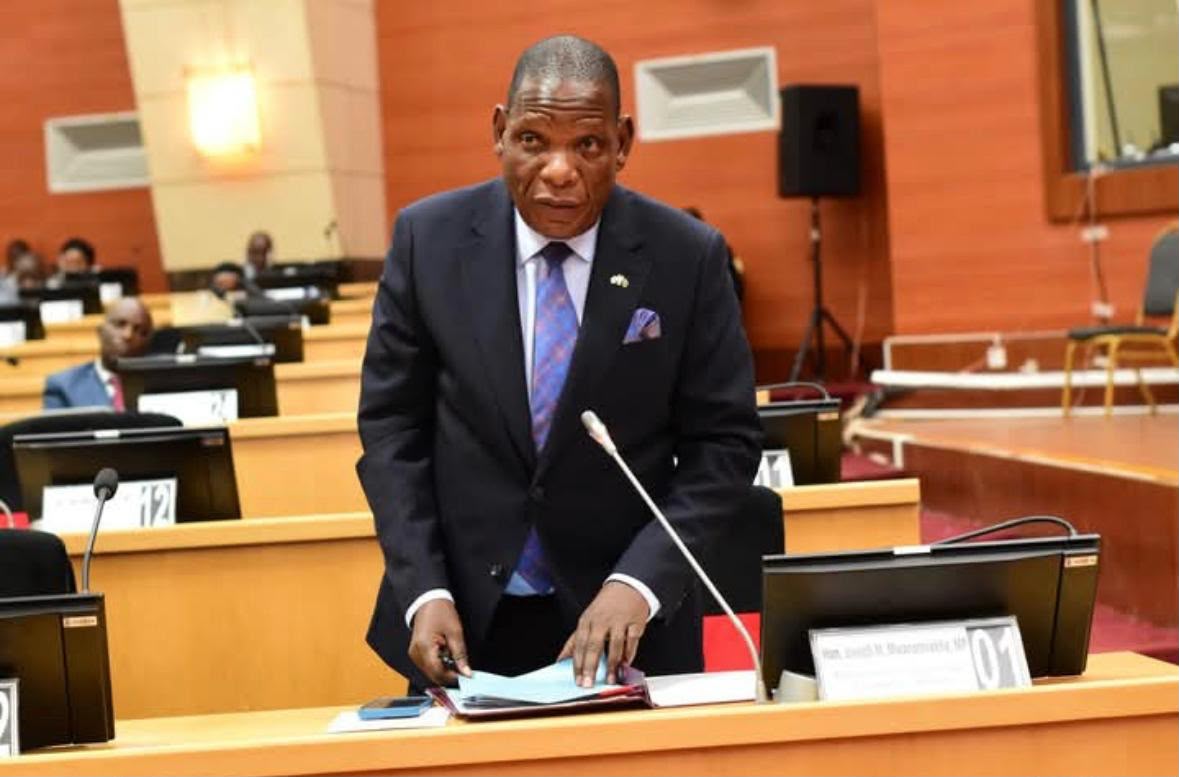
Minister of Finance Joseph Mwanamvekha appealed to policymakers, businesses and industry leaders to support government efforts to revive the economy.
“Today, we are here to begin honest, solution-driven discussions about our challenges and opportunities. Our nation is at a pivotal moment, and the choices we make now will determine the trajectory of our economy for generations to come,” Mwanamvekha said.
He said the government is seeking practical solutions that can place Malawi on a sustainable growth path while building an economy that benefits all citizens.
“This is not just another policy discussion. It is an urgent call to action and a crucial moment for stakeholders to unite with purpose and resolve the challenges before us,” he said, describing the task as difficult but achievable with courage and national unity.
Mwanamvekha pledged government support for actionable recommendations emerging from the consultations and expressed confidence that they could help steer the economy towards recovery.
Reflecting on the state of the economy when the current administration took office, Mwanamvekha said the scale of the challenges exceeded expectations.
“We knew the economy was in trouble, but not to the extent of the problems we found,” he said.
He cited inflation of around 30%, public debt estimated at MWK24 trillion, depleted foreign exchange reserves, food insecurity, sluggish economic growth and a fiscal deficit equivalent to 12% of gross domestic product (GDP). Debt servicing obligations, he added, consume more than half of domestic revenue.
The minister said interest payments alone now account for nearly 90% of government revenue.
“This means that out of all the taxes, fees and other revenues we collect, about 90% goes towards servicing domestic and foreign debt. Only 10% remains for other government priorities,” he said.
According to Mwanamvekha, Malawi’s public debt has reached about 90% of GDP, a level he said should concern every citizen.
“Total revenue collection is currently around MWK6 trillion. If we stopped everything else — salaries, subventions and development spending — it would still take us about four years to clear the debt,” he said.
The minister acknowledged the hardship many Malawians are experiencing following the introduction of new taxes and levies aimed at stabilising the economy.
“If we had not implemented these measures, we would not have been able to pay civil servants, procure medicines or sustain development programmes,” he said.
Mwanamvekha stressed that economic recovery would require difficult but necessary reforms, warning that there are no shortcuts to reversing years of economic decline.
“The path ahead demands sacrifice, discipline and commitment from all stakeholders,” he said.
Malawi Confederation of Chambers of Commerce and Industry chief executive officer Daisy Kambalame welcomed the initiative, saying the recovery plan offered hope at a time when few development partners are providing direct budget support.
“The good thing is that there is now a plan and a focus on key issues needed to revive the economy. The framework presented by the ministry gives us confidence,” she said.
Kambalame said the private sector was ready to partner with government, particularly on resource mobilisation and accountability.
“We already know government is dealing with a significant deficit. The key question is what role the private sector will play and how we ensure accountability on the targets that have been set,” she said.
National Planning Commission director general Fredrick Changaya also expressed optimism about the initiative.
“I think government is serious about putting the economy back on track because the first step when you have gone off course is to acknowledge what happened,” he said.
—
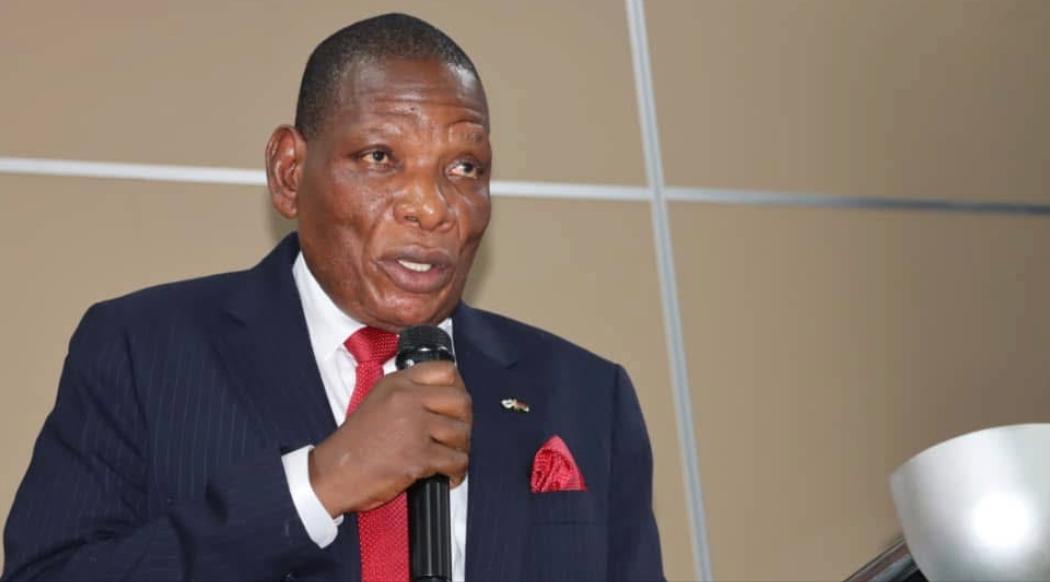
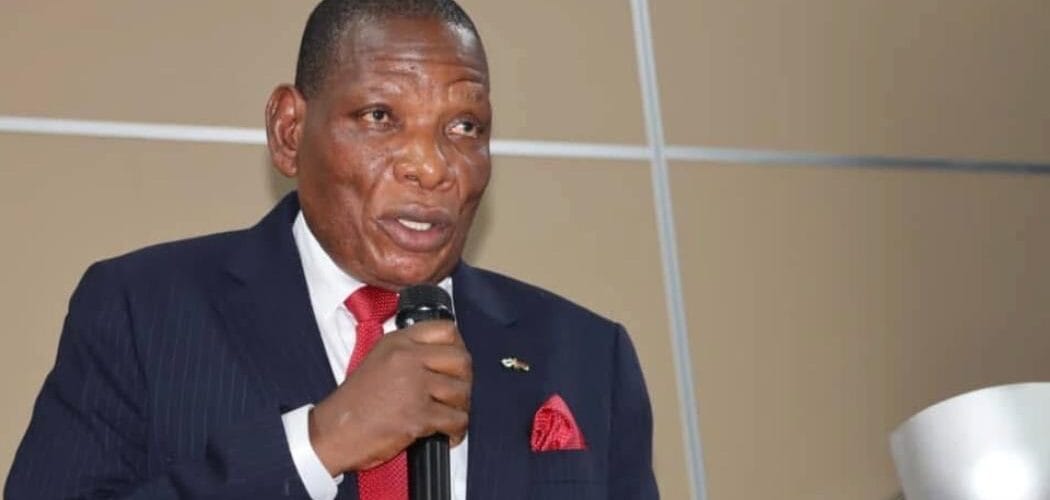
Mwanamvekha in photo above.
Also Read: IMF, Malawi to meet November 5 as debt soars to K21.6 trillion
Related:China cancels Malawi’s $20m debt, pledges aid amid food crisis