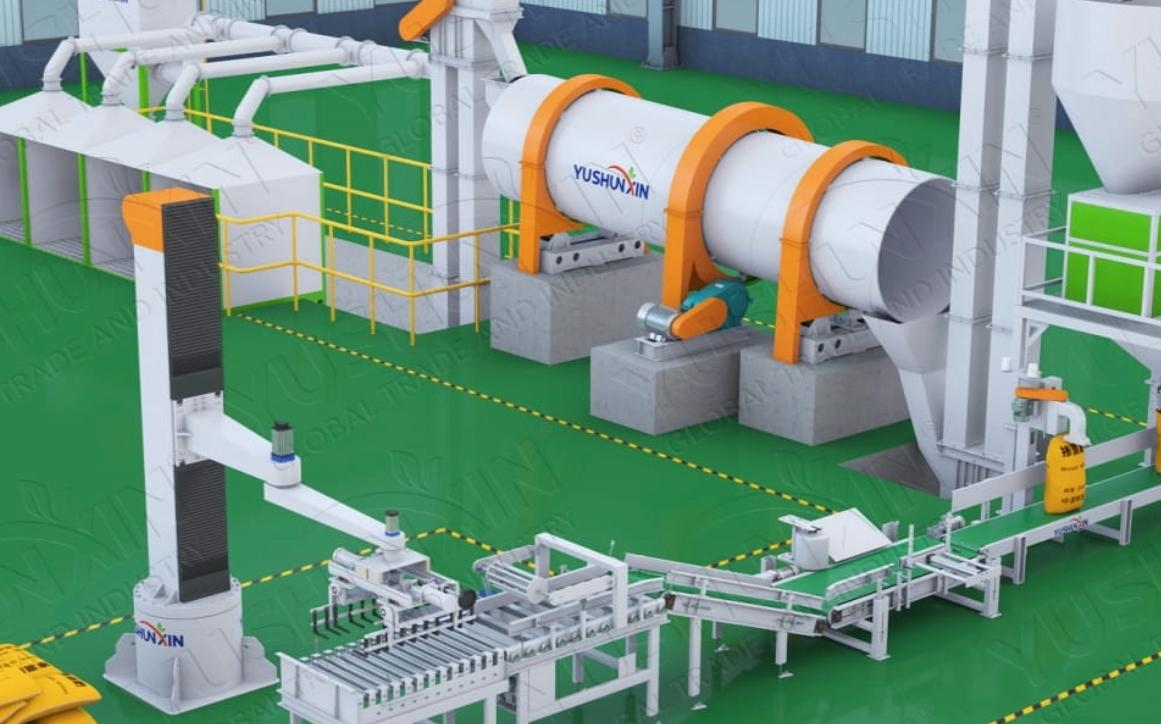

After months of regulatory delays, Malawi’s environmental regulator has approved the Mulalo Granular Fertiliser Production Factory, paving the way for local fertiliser production that could reduce costly imports, ease chronic foreign exchange shortages and strengthen food security.
NEWS | Industry | Agriculture | Investment | Edwin Mauluka
The Malawi Environmental Protection Authority (MEPA) will issue an operating licence to the Mulalo Granular Fertiliser Production Factory within a week after approving the project, the Ministry of Natural Resources announced on Wednesday.
The decision clears the way for a long-delayed investment that government and industry expect will reduce Malawi’s dependence on imported fertiliser, save scarce foreign exchange and support increased agricultural production.
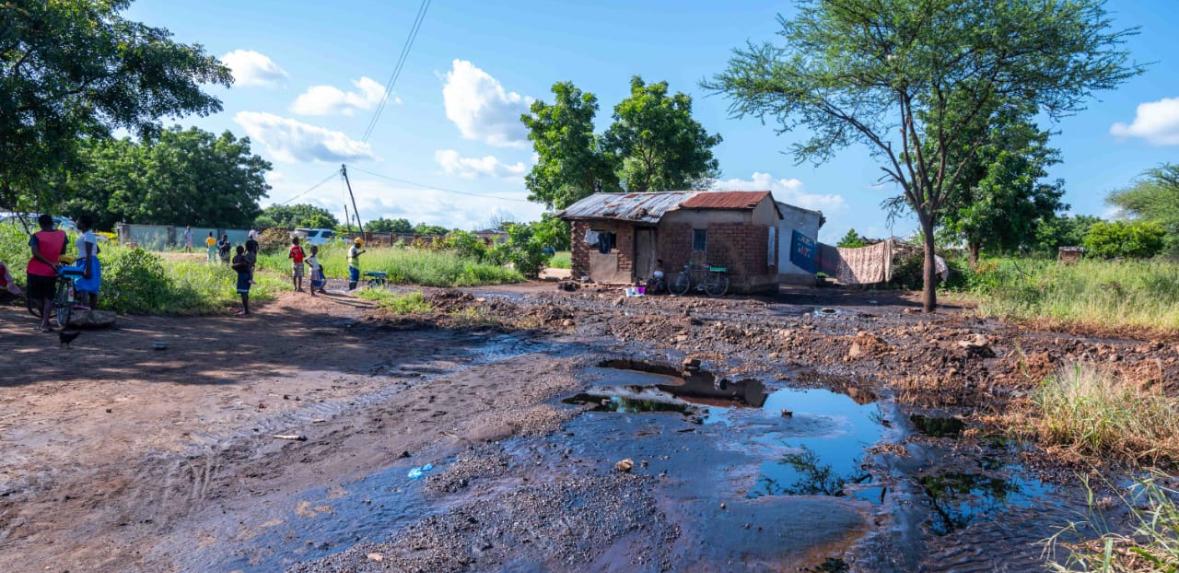
The project’s future had been thrown into doubt by prolonged regulatory delays and concerns over environmental and public safety, prompting Parliament to establish a joint ad hoc committee drawn from the Agriculture, Natural Resources, and Trade and Investment committees to investigate the matter.
“We are glad to report to the nation that the board has given approval. The investor can continue with the process,” Principal Secretary in the Ministry of Natural Resources Misheck Munthali told reporters after appearing before the parliamentary committee on Wednesday.
Munthali said the investor had addressed the major regulatory issues raised during the Environmental and Social Impact Assessment (ESIA) review process.
He acknowledged that a few outstanding matters remained but said they were “not too dangerous to the environment” and would be resolved before operations begin.
He also disclosed that MEPA is preparing to issue licences to four other investors.
Chairperson of the Parliamentary Ad Hoc Committee Tiaone Hendry confirmed that the operating licence is expected to be issued.
“They confirmed that the investor will be granted his licence next week,” Hendry said.
She said the committee would continue its inquiry to identify regulatory bottlenecks that could discourage investment or delay implementation of strategic industrial projects.
“We will engage more investors who are involved in setting up the factory and the production process. So despite a green light from MEPA, we are going to continue engaging stakeholders to ensure the project progresses,” Hendry said.
The 15-member parliamentary committee began its inquiry on Wednesday by hearing evidence from key stakeholders involved in the licensing process.
MEPA Director General Wilfred Kadewa told lawmakers that the authority had initially identified six major technical, environmental, public health and regulatory concerns that prevented approval of the project.
Among the issues were inadequate plans for managing hazardous waste, including acid residues, contaminated sludge, phosphogypsum and wastewater, as well as shortcomings in occupational health and safety measures, project design, stakeholder consultations, emergency response planning and land ownership documentation.
Kadewa said some of the environmental risks could have exposed surrounding communities and downstream users if left unaddressed.
However, he told the committee that the authority had now completed all stages of the environmental licensing process and that the MEPA board had formally approved the project.
Mulalo director Napoleon Dzombe used his appearance before the committee to criticise what he described as investment-unfriendly regulatory processes.
He said he had initially been reluctant to pay the MWK10 million environmental assessment fee after previously spending MWK500 million on an international bus terminal project that ultimately failed to materialise.
Dzombe said the lengthy approval process for the fertiliser plant had discouraged potential investors, with some withdrawing from the project altogether.
He added that the delays had also come at a significant personal financial cost.
If successfully implemented, the Mulalo fertiliser plant could mark an important step in Malawi’s push to industrialise agricultural inputs locally. Domestic fertiliser production is expected to reduce reliance on imports, lower the country’s foreign currency bill and improve the availability of fertiliser for farmers, an important factor in boosting food production and strengthening national food security.
—
In photo above, Napoleon Dzombe
Also Read: Mulalo fertiliser project clears technical hurdle, now awaits MEPA board approval