After months of crippling load shedding, Energy Minister Jean Mathanga says new solar, battery storage and cross-border electricity projects will inject 80MW into Malawi’s grid from August, although longer-term reforms remain critical to stabilising supply.
NEWS | Energy | Parliament | Edwin Mauluka
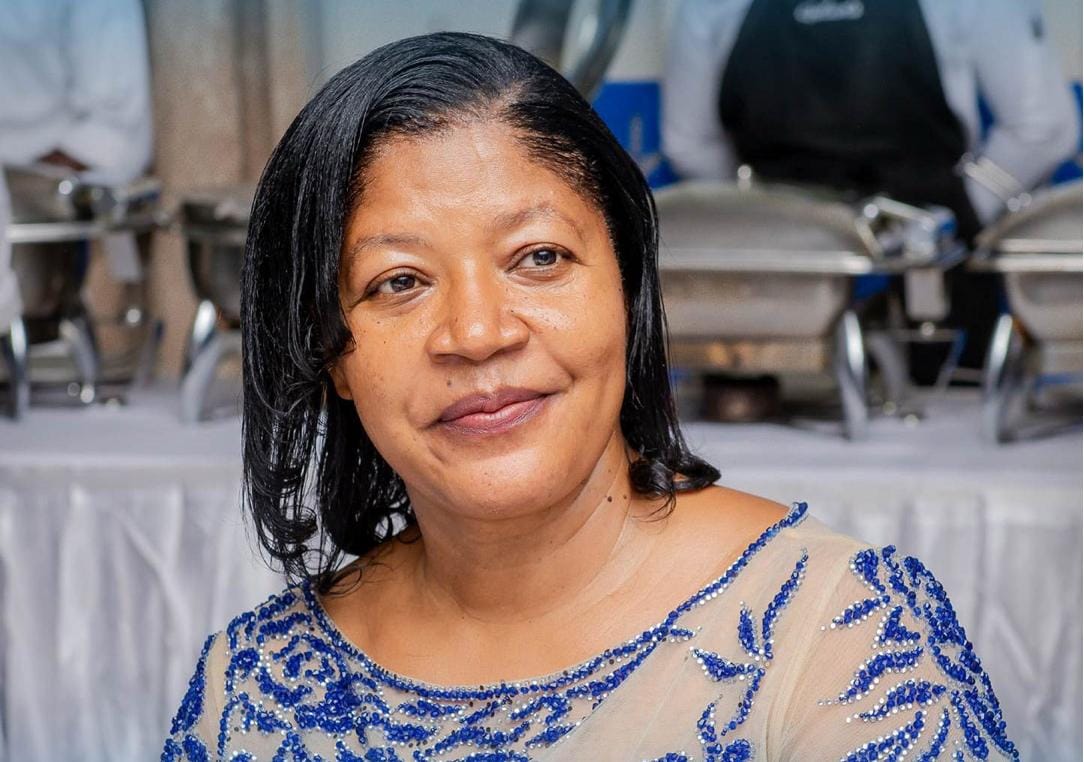
Malawians should experience fewer electricity blackouts and a more stable power supply from August following the addition of 80 megawatts (MW) to the national grid, Minister of Energy Jean Mathanga told Parliament earlier this week.
Responding to an urgent question from Salima Central MP Enoch Phale, Mathanga said a series of new energy projects would begin easing the country’s persistent power shortages.
Phale said prolonged nationwide blackouts had severely disrupted healthcare services at Salima District Hospital, schools, businesses and households.
“We are experiencing electricity blackouts which have evolved beyond an emergency challenge and are now becoming a national economic emergency,” he said.
Mathanga acknowledged the severity of the crisis, blaming years of underinvestment in electricity generation, transmission and distribution infrastructure. She said rising electricity demand had outpaced available generation capacity, while ageing infrastructure now requires extensive rehabilitation and replacement.
“Despite these challenges, government remains firmly committed to restoring a stable and reliable electricity supply. We have intensified investments to expand generation capacity, strengthen transmission and distribution networks, and rehabilitate ageing infrastructure,” she said.
She said electricity shortages had worsened over the past three months after a 20MW ageing plant at Mkula went offline, but the facility has since returned to service.
As part of short-term interventions, the government will commission a 20MW Battery Energy Storage System (BESS) at Kanengo on 24 July.
This will be followed by the commissioning of the 10MW Nanjoka Solar Power Plant in Salima on 6 August.
“It has taken time because of foreign exchange challenges in bringing in engineers and other logistical issues, but that is now behind us. The battery project and the solar plant will add another 30 megawatts to the grid,” Mathanga said.
She added that the Malawi-Mozambique Interconnector is expected to be commissioned during the second week of August, injecting an additional 50MW into the national grid.
Combined with the restoration of the Mkula plant, the projects are expected to significantly reduce load shedding.
Mathanga cautioned, however, that scheduled outages would still be necessary at times, but said the government would work to ensure they are communicated clearly and implemented as predictably as possible.
In the medium to long term, she said the government is pursuing strategic investments aimed at expanding generation capacity, strengthening transmission infrastructure and attracting private sector participation in power generation.
These include the 358MW Mpatamanga Hydropower Project, the Eastern Backbone Transmission Line linking Salima, Nkhotakota and Nkhata Bay to the regional power pool, and the Western Backbone Transmission Line connecting through Chipata in Zambia.
“These interventions are expected to improve the resilience, reliability and sustainability of Malawi’s electricity supply. At the same time, we are actively seeking investors and development partners for generation projects that are already at an advanced stage,” she said.
Mathanga said the government is also seeking investment for hydropower projects on the South Rukuru River in northern Malawi and two projects along the Bua River in the central region with combined capacity of 110MW.
She said reforms at the Electricity Supply Corporation of Malawi (ESCOM) and the Electricity Generation Company (EGENCO) are underway to improve operational efficiency, reduce technical losses, strengthen maintenance planning and expand power generation.
The government is also establishing an inter-agency committee by 23 July to combat vandalism of electricity infrastructure and illegal power connections.
The committee will develop a national action plan covering the period 2026 to 2030 and will initially operate for 100 days.
Mathanga said the government will continue restructuring ESCOM by streamlining operations, outsourcing non-core services, building staff capacity and implementing a comprehensive digitalisation strategy, including improved customer databases, GIS mapping and real-time network monitoring.
She said broader reforms include cost-reflective tariff reforms, advanced metering infrastructure, operational restructuring and the creation of a tariff stabilisation fund to improve the financial sustainability of ESCOM and EGENCO.
Mathanga said utilities will also be required to publish audited financial statements within six months of the end of each financial year to improve transparency and accountability.
On the financial challenges facing the two state-owned utilities, Mathanga said measures under the National Energy Policy include allowing ESCOM to receive and retain foreign currency earned from electricity exports to reduce foreign exchange risks while leveraging private investment in generation and transmission projects.
She also disclosed that all new independent power producers (IPPs) developing solar projects will be required to include battery storage as part of their investments.
Responding to a question from Blantyre North MP Francis Phiso on coal-fired electricity generation, Mathanga said the government remains open to all viable energy sources, including coal.
However, she revealed that the investor behind the proposed 300MW Kam’mwamba Coal-Fired Power Project had abandoned the development after prolonged delays and instead invested in coal mining and power generation at Moatize in neighbouring Mozambique.
“We have engaged the investor, but they no longer see commercial sense in returning to Kam’mwamba since they are now mining only a few kilometres from Malawi’s border,” she said.
Mathanga said discussions were nevertheless continuing, with the government encouraging the investor to explore coal deposits in northern Malawi while using mining by-products for electricity generation.
“We have linked the investor with banks that have acquired mining interests in northern Malawi. So, discussions are progressing and something is happening,” she said.
The latest commitments come after earlier assurances fell behind schedule.
In November 2025, while serving as Minister of Natural Resources, Energy and Mining, Mathanga told Parliament that the Salima Solar Power Plant would be connected to the national grid by December 2025, the 20MW Battery Energy Storage System by March 2026, the Malawi-Mozambique Interconnector in early 2026, and that government was facilitating the 300MW Kam’mwamba Coal-Fired Power Project. None of those timelines were met.
—
Also Read: Lights out? Escom threatens blackouts while MEC declares readiness
Related: Malawi’s ESCOM says load shedding to ease within 8 months