Revenue surges 48.8%, spending hits 34.8% of GDP, with agriculture, infrastructure and debt control at the centre of reforms
By Edwin Mauluka
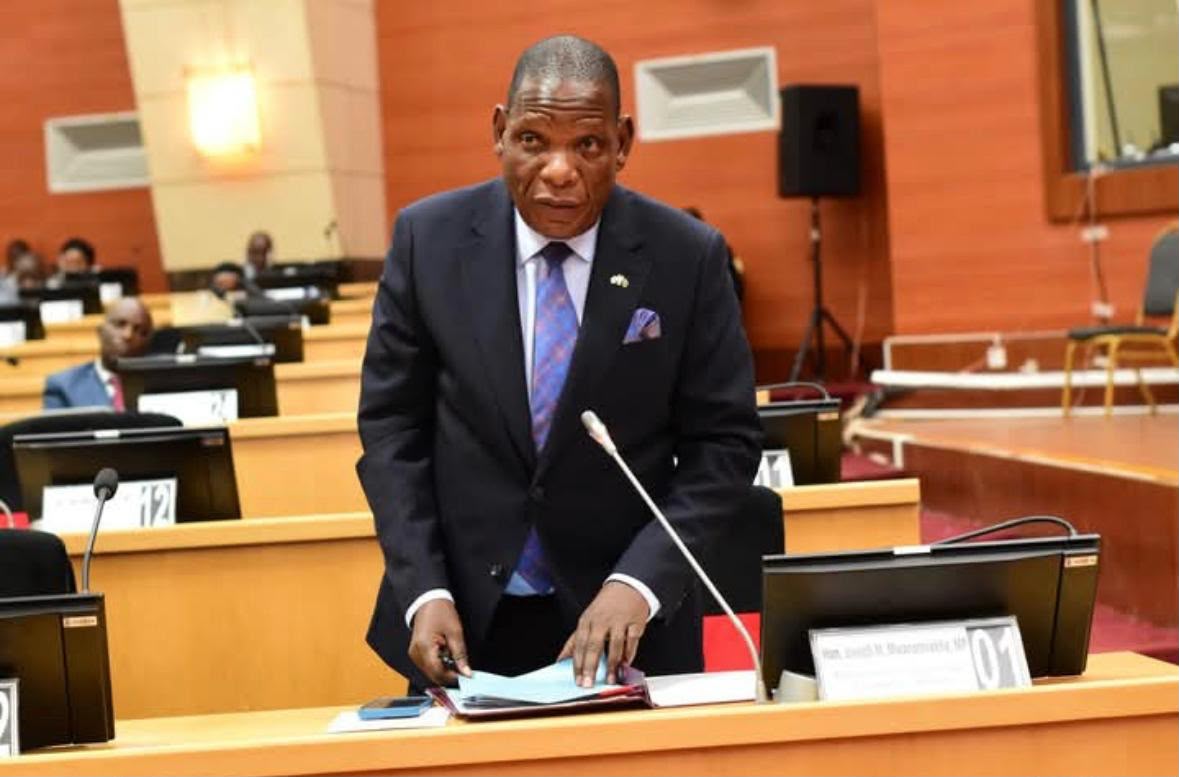
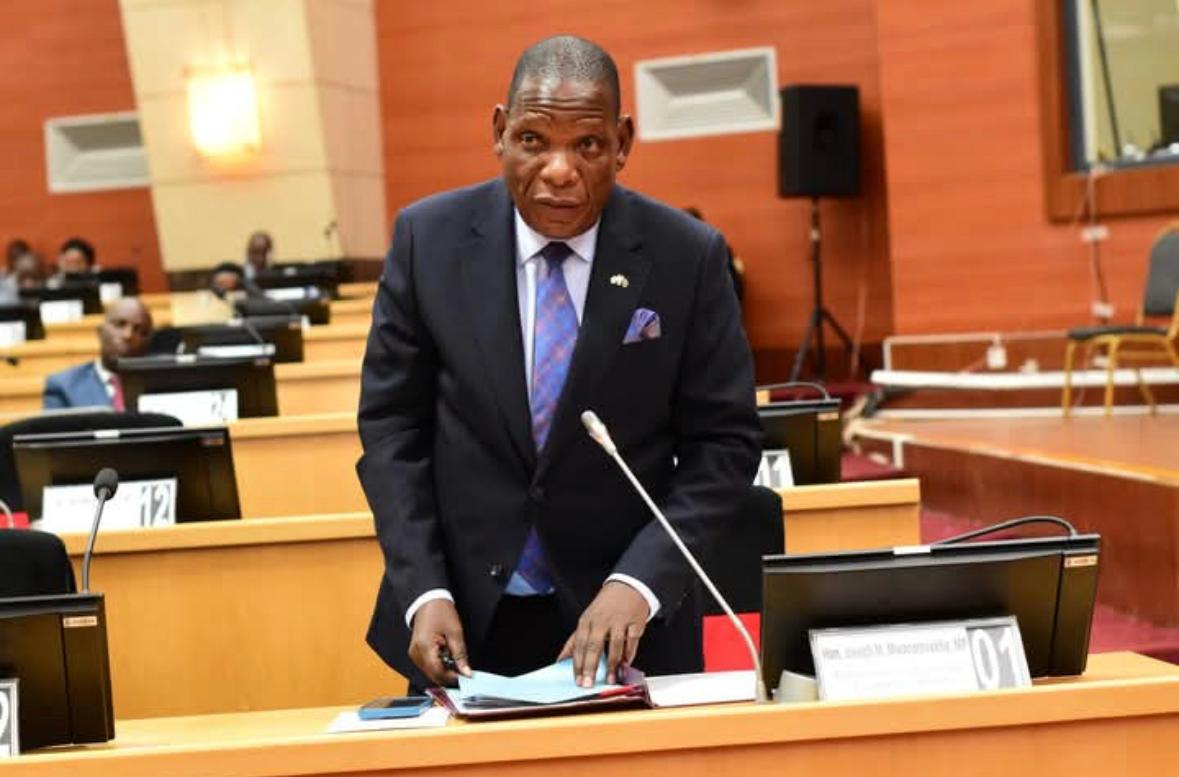
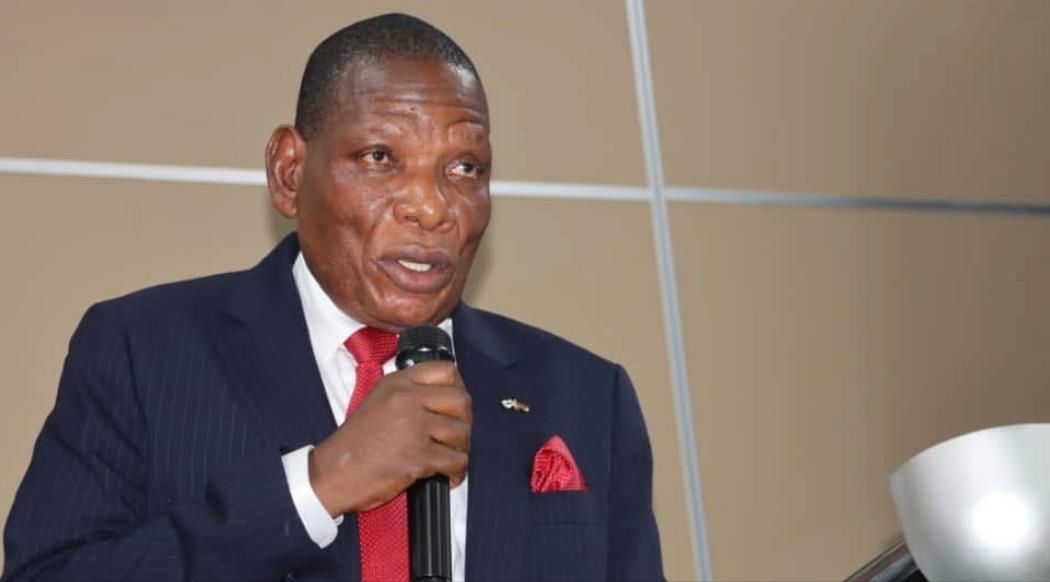
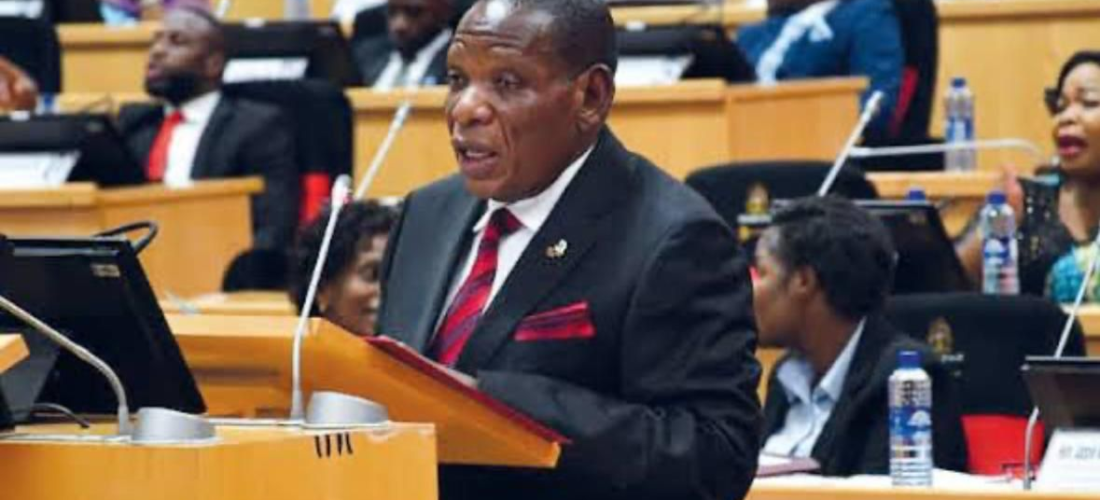
Minister of Finance, Economic Planning and Decentralisation Joseph Mwanamvekha on Friday unveiled Malawi’s 2026/27 National Budget, pegged at MWK10.978 trillion, marking the first fiscal plan by the Democratic Progressive Party (DPP) administration since its return to power following the September 17, 2025 general elections.
The total expenditure represents 34.8 percent of GDP, reflecting a 27.8 percent increase from the revised MWK8.589 trillion in the 2025/26 Mid-Year Budget.
Mwanamvekha said the increase is driven by legacy commitments, statutory obligations and rising development spending, but noted that the fiscal deficit is expected to improve to 9.0 percent of GDP, down from 11.9 percent in the previous fiscal year.
The budget comprises MWK7.581 trillion in recurrent expenditure (69.1 percent) and MWK3.397 trillion in development expenditure (30.9 percent).
Within recurrent spending, statutory expenses — including wages, pensions and public debt interest — are projected at MWK5.092 trillion, consuming 78.9 percent of domestic revenue, an improvement from 97.5 percent in the previous year.
Total revenue and grants are estimated at MWK8.126 trillion (25.8 percent of GDP), representing a 48.8 percent increase. Domestic revenue is projected at MWK6.454 trillion, supported by tax reforms, automation of non-tax revenues and revised user fees.
Tax revenue is expected to reach MWK6.203 trillion, driven by measures targeting income, goods and services, and international trade. Non-tax revenue is projected at MWK250.5 billion, a 67.6 percent increase, while grants from international partners are expected to rise by 70.1 percent to MWK1.672 trillion.
The fiscal deficit is projected at MWK2.852 trillion, equivalent to 9.0 percent of GDP, reflecting improved fiscal consolidation.
Mwanamvekha said the government will reduce borrowing, strengthen expenditure controls and create fiscal space through debt restructuring, while prioritising productive sectors such as agriculture, tourism, mining, manufacturing and small and medium enterprises.
The budget also emphasises export promotion and import substitution to improve foreign exchange generation and strengthen the balance of payments, alongside accelerated fiscal decentralisation through increased funding to local councils under the reformed Constituency Development Fund (CDF).
The 2026/27 budget is anchored on the theme: “Driving Economic Recovery and Sustainable Growth through Impactful Reforms and Fiscal Consolidation.”
“This budget is people-centred, pro-poor, developmental and transformative,” Mwanamvekha said.
Economic growth is projected to rise from 2.7 percent in 2025 to 3.8 percent in 2026 and 4.9 percent in 2027, while inflation is expected to ease to 15 percent by the end of the fiscal year.
Public debt currently stands at MWK23.9 trillion, with government committing to prudent fiscal management, austerity measures and reforms under the National Economic Recovery Plan (NERP).
Key allocations
The government has allocated MWK1.334 trillion (12.2 percent of the total budget) to key productive sectors: agriculture, tourism, mining and manufacturing.
Agriculture received the largest share at MWK931.1 billion, including:
MWK111.45 billion for the Fertilizer Input Subsidy Programme
MWK60 billion for maize purchases
MWK40 billion for irrigation development
MWK241.1 billion for the Shire Valley Transformation Project
Mega farm initiatives across public institutions will receive MWK14 billion, alongside MWK18.1 billion for the coordinating unit.
Tourism and manufacturing have been allocated MWK51.2 billion, while energy and mining will receive MWK352 billion. Transport and ICT infrastructure has been allocated MWK664.4 billion.
On the recurrent side, wages and salaries are projected at MWK1.923 trillion, pensions at MWK296 billion and public debt interest at MWK2.793 trillion.
Grants to government institutions will total MWK867.8 billion, including transfers to the Malawi Revenue Authority, public universities and subvented organisations.
Additionally, MWK4 billion has been allocated to the Small and Medium Enterprise Development Corporation to boost local production and reduce reliance on imports.
The budget underscores the government’s push to stabilise the economy, restore confidence and lay the groundwork for inclusive and sustainable growth.
—
Also Read: Malawi economy stabilising as reforms cut K158bn in spending, says Mwanamvekha