
Calls for belt-tightening clash with costly executive travel plans
PERSPECTIVE | The Forum
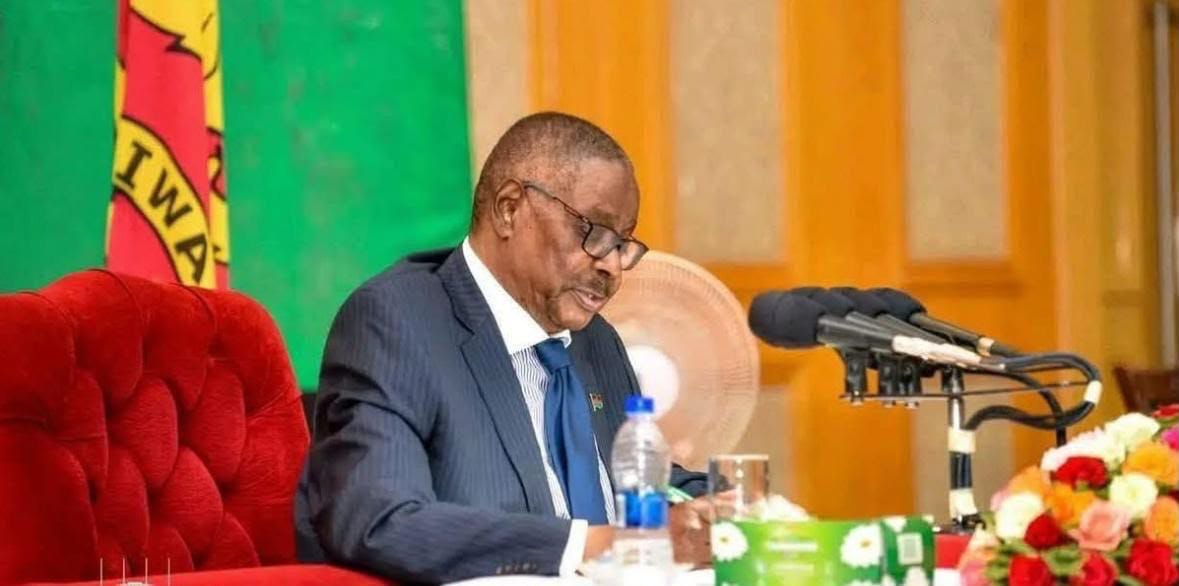
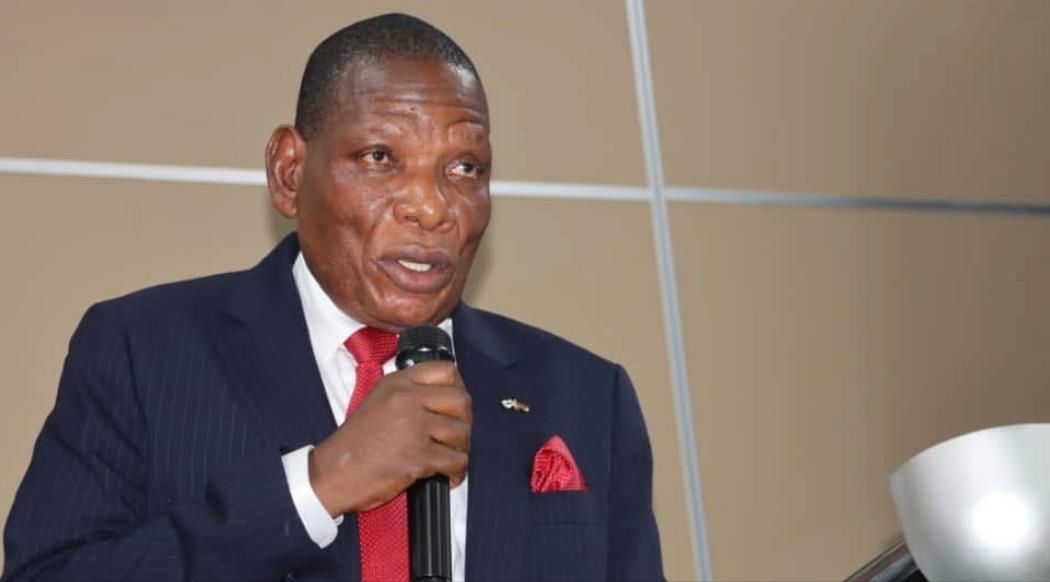
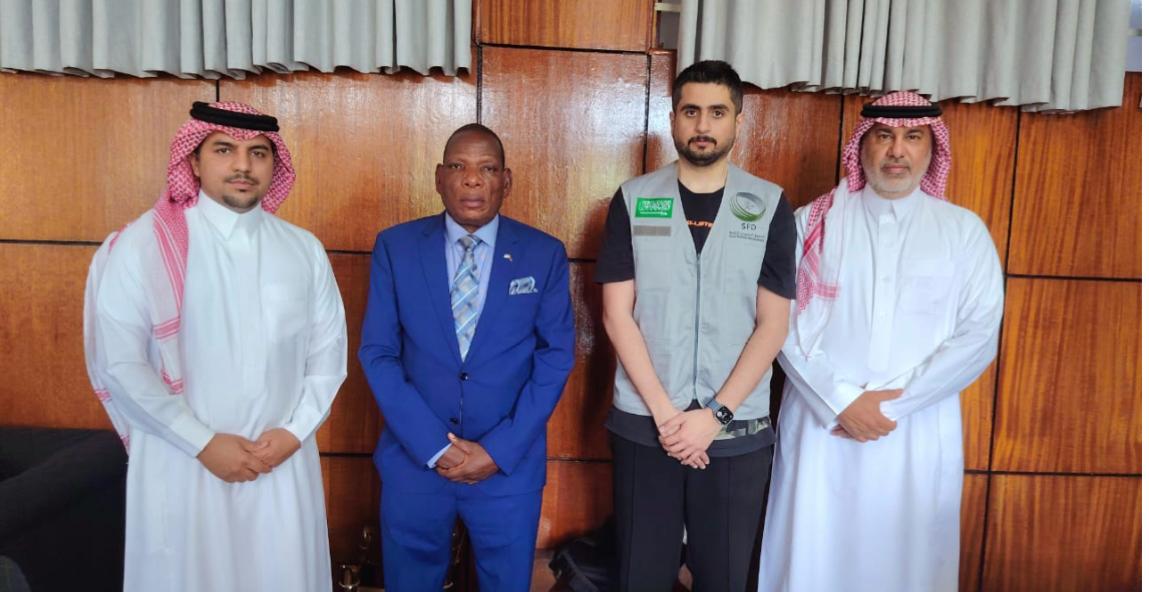
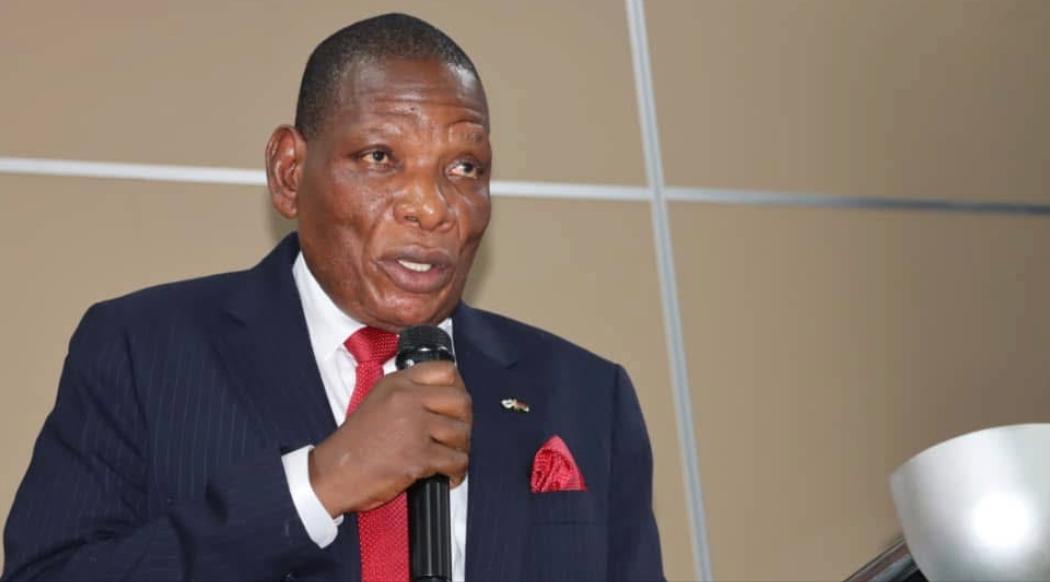
Malawi’s Minister of Finance, Economic Planning and Decentralisation, Joseph Mwanamvekha, is currently in the Middle East appealing for international assistance to help feed millions of hungry Malawians. At the same time, the country’s Vice President has announced plans to travel to the United Kingdom with a 15-member delegation, a trip estimated to cost millions, if not billions, of kwacha.
For a country of about 22 million people, grappling with food insecurity and fiscal distress, the estimated cost (some say MK2 billion) is exorbitant. The proposed trip sharply contradicts repeated claims by President Peter Mutharika — and echoed by Mwanamvekha — that the Democratic Progressive Party (DPP) administration is committed to austerity, fiscal discipline and the protection of public resources.
The irony is difficult to ignore.
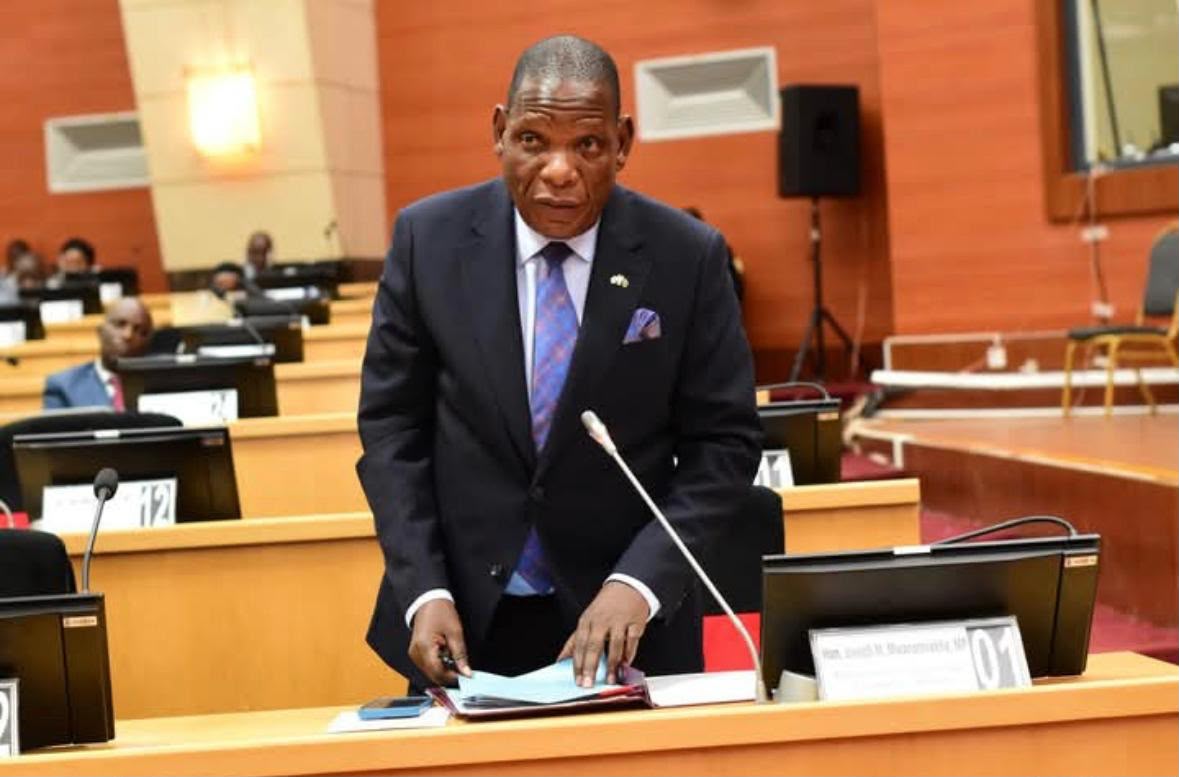
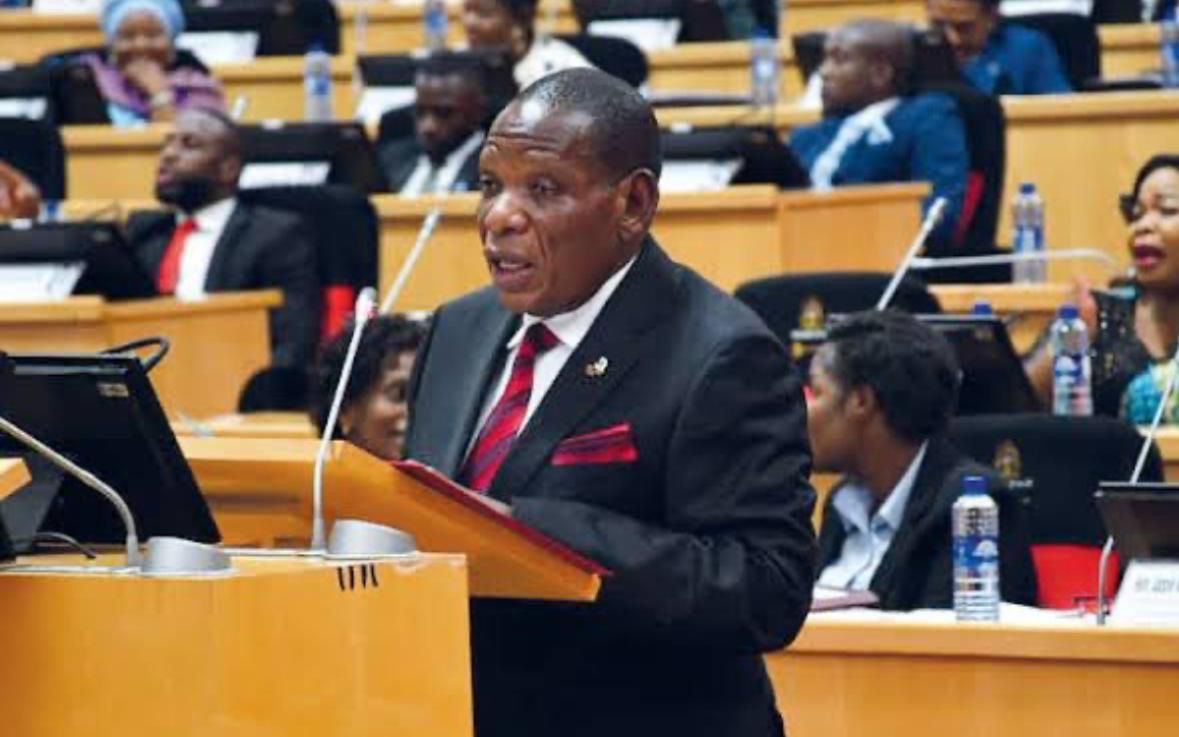
Barely weeks ago, during the 2025/2026 Mid-Year Budget Review, Mwanamvekha stood in Parliament and unveiled a set of newly formulated austerity measures, presented as evidence of the government’s resolve to rein in public debt and restore fiscal discipline.
Among the measures announced were strict expenditure controls, including minimising travel, limiting procurement of high-value assets and containing the wage bill.
On foreign travel by senior public officials, including cabinet ministers, Mwanamvekha was explicit: such travel would be limited to three trips per year, subject to approval by the relevant authority, in order to curb foreign exchange losses and reduce government spending.
He went further on delegation sizes.
“The Chief Secretary to the Government shall determine and approve the number and composition of delegations travelling outside the country for any Government-prioritised trip,” Mwanamvekha told Parliament. “Where travel is donor-funded, there shall be no Government expenditure in the form of top-up allowances.”
The Finance Minister also announced that all controlling officers in ministries, departments and agencies, along with heads of state-owned enterprises, would travel economy class, alongside a moratorium on the procurement of new vehicles and other high-value assets until further notice.
According to Mwanamvekha, the austerity measures were expected to save the government approximately MWK44 billion in the second half of the 2025/2026 financial year.
“I would like to assure the August House that the Government is fully committed to the implementation of the announced austerity measures,” he said. “It is expected that within a few months, savings of MWK44 billion or more will be realised from travel restrictions, a freeze on vehicle procurement and a reduction of staff in embassies.”
The minister urged Malawians to support new tax measures, arguing that the administration had inherited a fragile economy from the Malawi Congress Party (MCP), characterised by unsustainable debt, fiscal deficits, depleted foreign exchange reserves and waning investor confidence.
Also Read: Austerity to save Malawi MWK44 billion, Finance Minister tells Parliament
“It is within this challenging context, Mr Speaker, that this administration has been compelled to take decisive action — not out of choice, but out of necessity — to restore stability, rebuild credibility and place Malawi on a sustainable path of growth,” Mwanamvekha said.
Yet, less than 100 days into office, the credibility of that austerity message is already under strain.
Power has a way of intoxicating even the most avowed non-drinkers. It dulls memory, blurs purpose, and makes leaders forget why they sought office in the first place.
Malawians have been here before. They recently taught the MCP a hard lesson, returning it to the opposition benches after nearly 30 years in power since independence. After losing power in 1994, it took another 30 years for the party to find its way back into government, only to be sent back to the opposition once again.
History is rarely subtle in its warnings. If the DPP fails to change course, if austerity remains rhetoric for citizens but indulgence for those in power, it may find that the electorate is just as unforgiving.
—
Related: Mwanamvekha unveils tough revenue measures, accuses MCP of ruining Malawi’s economy
Related: Malawi reveals recovery plan to stabilize economy and boost growth