By Patrick Mwanza
“The cabinet shall be very lean.”
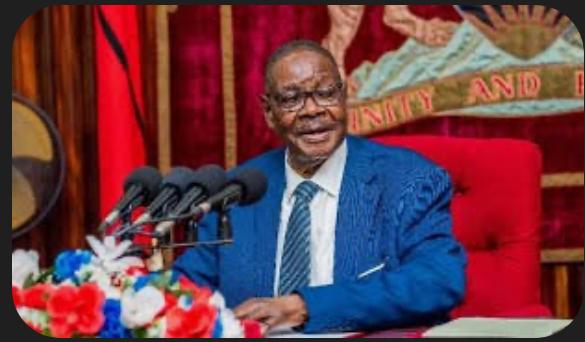
Visitors to this site will know who said those words. Malawi’s sixth president, Arthur Peter Mutharika, made that statement two days ago in Lilongwe. He had just arrived in the capital to cheering supporters, some eager for an answer to a question that has hung in the air since his return to power: When will the full cabinet be named?
Until now, it’s been a trickle. One appointment here, another there, enough to keep tongues wagging but not enough to show the full picture. Was it because the president has been operating from his private residence as the State House undergoes repairs? Or perhaps, as some quietly suspect, because he least expected to win and didn’t bother to keep a shadow cabinet ready?
Whatever the reason, Mutharika took his time. But when he finally spoke, his message appeared clear: gratitude and warning.
“There are many people who expect to be included,” he told supporters, “but it’s not possible to accommodate everyone.” Those who don’t make it, he said, shouldn’t lose heart. Those appointed shouldn’t expect leniency if found wanting. Mediocrity, he warned, would be met with decisive action.
That remark, deliberate or not, was a quiet jab at his predecessor Lazarus Chakwera, whose reluctance to fire underperforming ministers was often criticized.
So, keep your fingers crossed, the president seemed to say. There will always be reshuffles, and someone’s fall will open a door for another.
Then the president made a promise, saying a full cabinet list would be out by next week. Yet, contrary to expectations, Malawians didn’t have to wait that long.
On October 30, the State House released the list, signed by Chief Secretary Justin Saidi, confirming a 24-member cabinet:
“His Excellency Professor Arthur Peter Mutharika, President of the Republic of Malawi, in exercise of the powers conferred upon him under Section 94(1) of the Constitution, has constituted the Cabinet list as follows…”
The lineup includes:
- President and Commander-in-Chief – Arthur Peter Mutharika
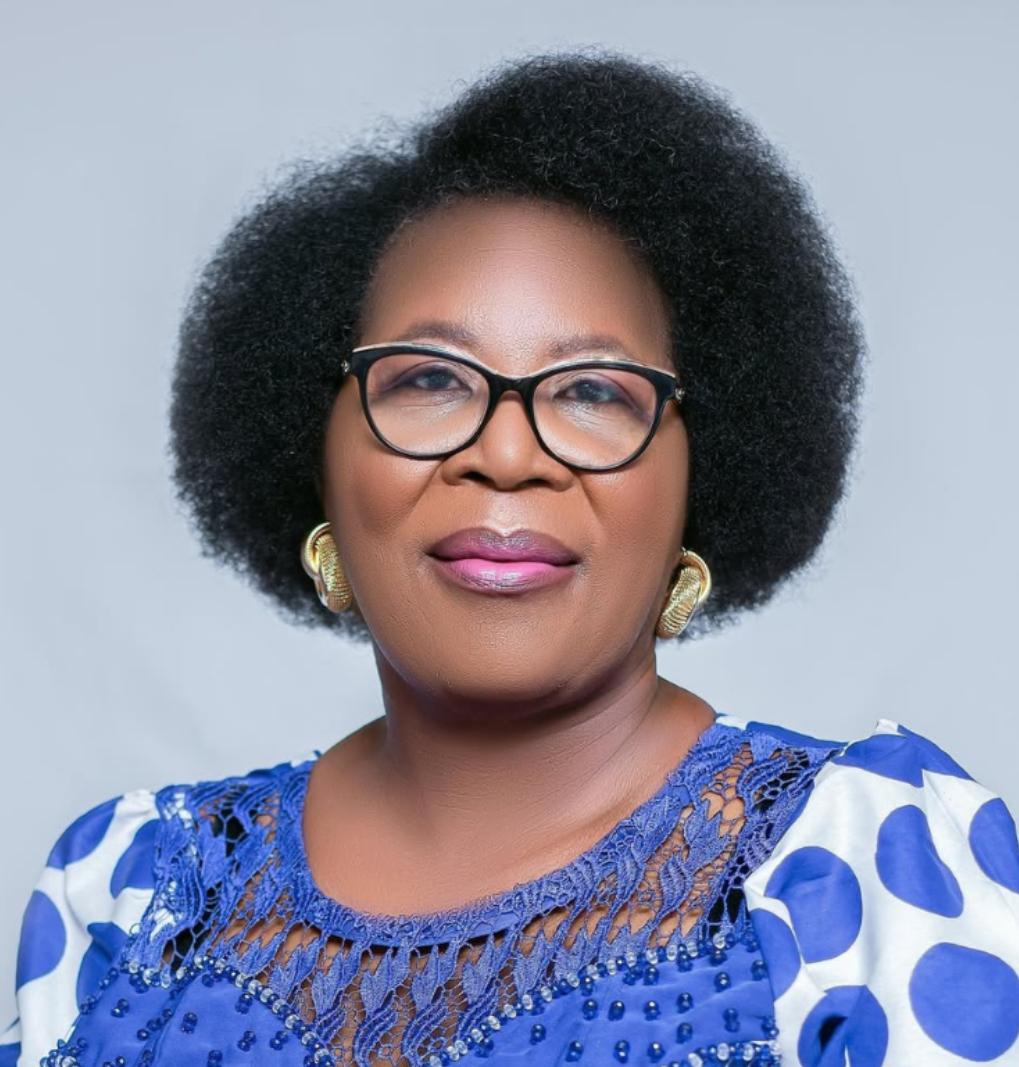
- First Vice President – Dr. Jane Ansah, SC, JA (Rtd)
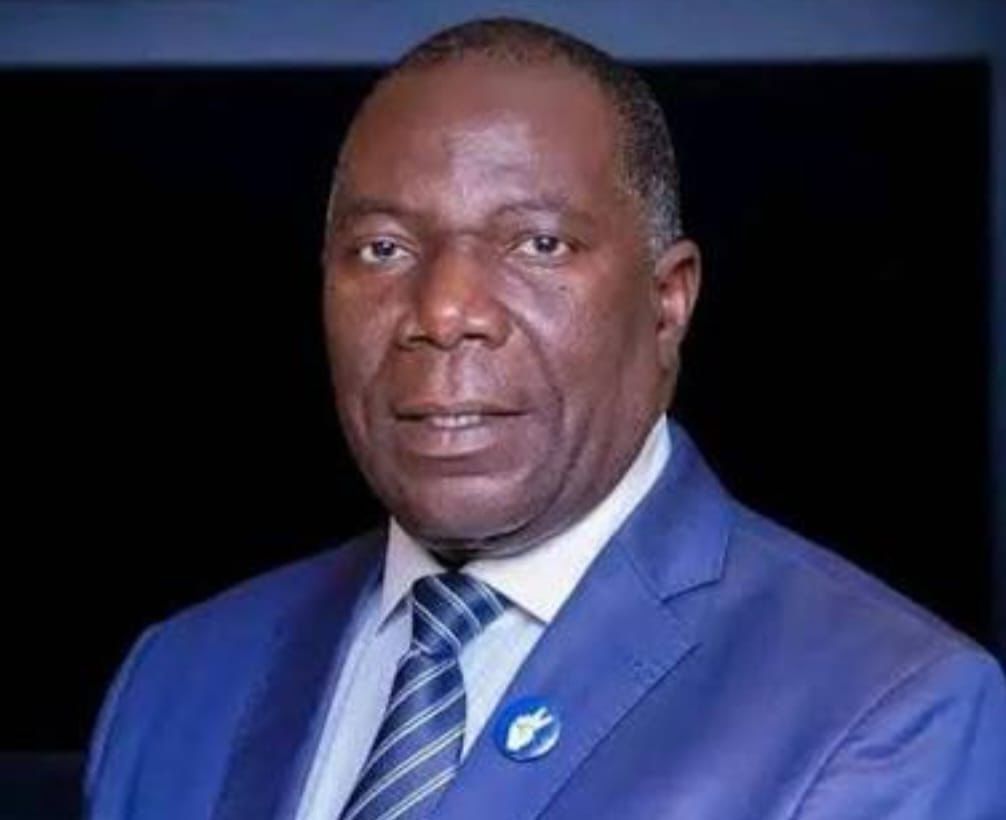
- Second Vice President – Enoch Kamzingeni Chihana
- Minister of State – Alfred Ruwan Gangata
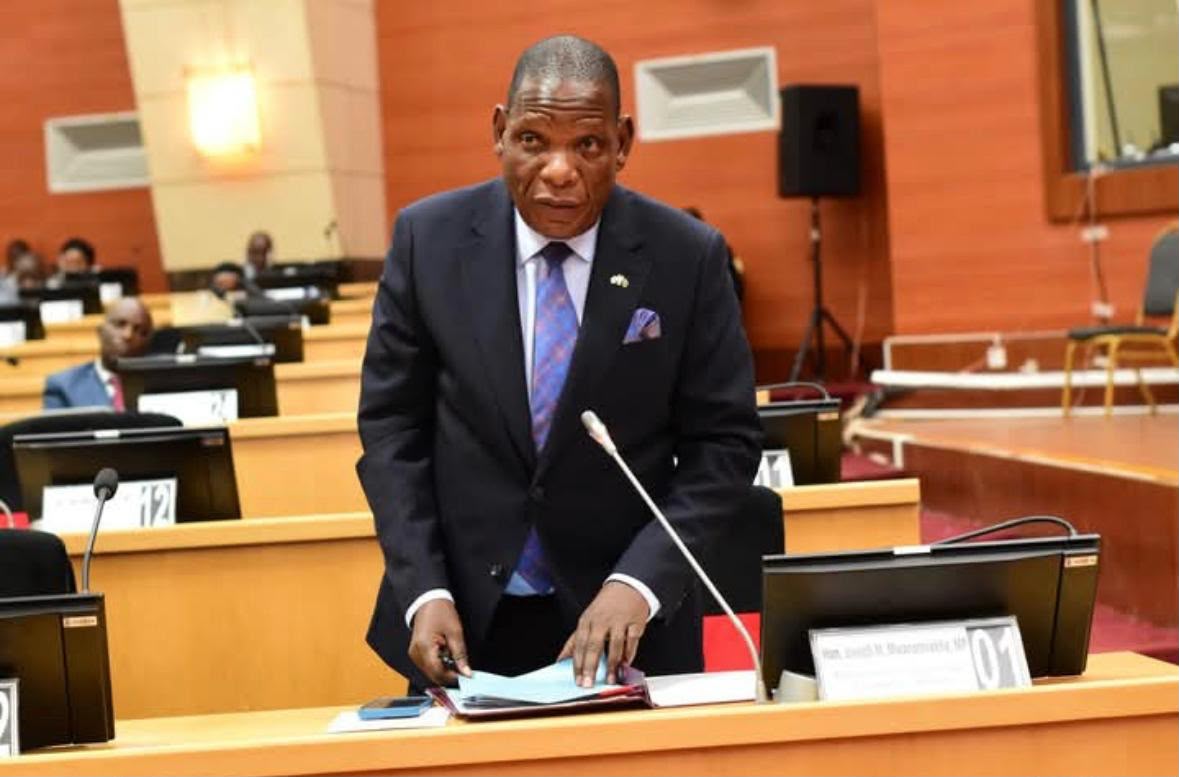
- Finance, Economic Planning and Decentralisation – Joseph Mwanamvekha, MP
- Agriculture, Irrigation & Water Development – Roza Mbilizi Fachi, MP
- Education, Science and Technology – Bright Msaka, SC
- Justice & Constitutional Affairs – Charles Mhango
- Foreign Affairs & International Cooperation – George T. Chaponda, MP
- Health & Sanitation – Madalitso Baloyi, MP
- Local Government & Rural Development – Ben Malunga Phiri, MP
- Industrialisation, Business, Trade and Tourism – George Patridge
- Transport & Public Works – Feston Kaupa, MP
- Homeland Security – Peter Mukhito
- Gender, Children, Disability & Social Welfare – Mary Navicha, MP
- Natural Resources, Energy and Mining – Jean Mathanga, MP
- Lands, Housing and Urban Development – Jappie Mhango, MP
- Labour, Skills and Innovation – Joel Chigona, MP
- Youth, Sports and Culture – Patricia Wiskies, MP
- Information & Communications Technology – Shadrick Namalomba, MP
- Deputy Minister of Health and Sanitation – Chimwemwe Chipungu, MP
- Deputy Minister of Homeland Security (Operations) – Norman Chisale, MP
- Deputy Minister of Gender, Children, Disability and Social Welfare – Martha Ngwira, MP
- Deputy Minister of Education, Science and Technology – Francis Foley, MP
The appointments, the statement noted, are with immediate effect.
The president’s mention of a “lean” cabinet has drawn comparison with past administrations. His brother, the late Bingu wa Mutharika, reduced his cabinet from 42 members after dissolving a bloated team in 2009.
More recently, President Chakwera’s 2023 cabinet stood at 27 members, which was a reduction from the 31-member cabinet of 2022.
By those numbers, Peter Mutharika’s 24-member team appears modest, three less than Chakwera’s. Yet, context matters. When Mutharika first took office in 2014, he led with just 20 ministers. The comparison does suggest that “lean” is a relative term.
Soon enough, talk of numbers will fade, and the question will become whether this cabinet can truly deliver. Mutharika begins his second term with familiar vows of recovery, food security and reform. But for most Malawians, progress will have to be something they can feel and life becoming just a little less hard.