
EDITORIAL | The Forum
The Forum has reservations about the conduct of the chairperson of the Parliamentary Ad-hoc Committee investigating the June 2024 plane crash that claimed the lives of Vice President Saulosi Chilima and eight others.
Committee chair Walter Nyamilandu has, at times, appeared to stray into territory that could reasonably be interpreted as prejudging evidence. That is a concern. Parliamentary inquiries must not only be impartial but also be seen to be impartial.
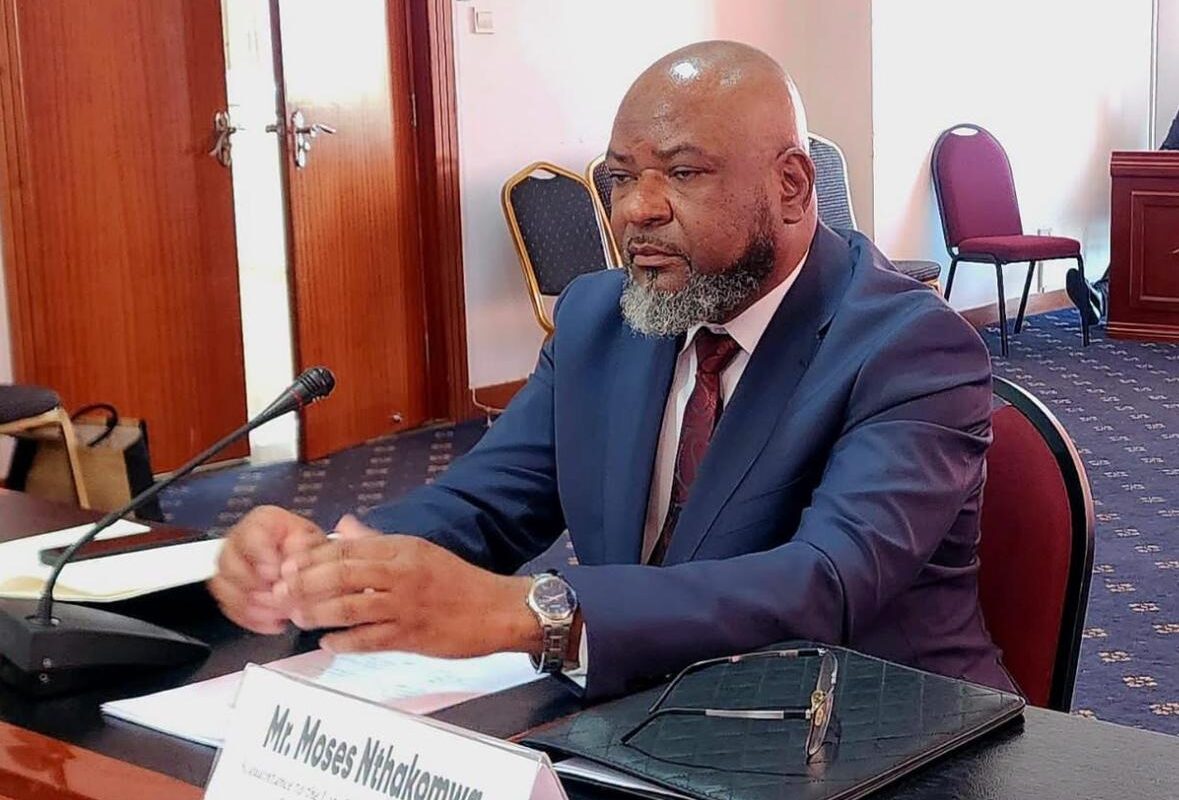
His latest brush with that perception came this past week during the committee’s questioning of former Malawi Defence Force (MDF) Commander General Paul Valentino Phiri.
While Phiri maintained that the military’s search and rescue operation was adequate despite severe resource constraints, Nyamilandu pressed him on whether he should have resigned over the military’s handling of the disaster.
The exchange was revealing.
Phiri insisted that the initial deployment of 172 soldiers, later reinforced by more than 30 others, was sufficient if managed effectively. He also rejected claims that search operations were suspended overnight, saying no such instruction came from him and stressing that military operations are conducted around the clock, regardless of terrain or weather.
Yet his own testimony exposed a significant contradiction.
Phiri acknowledged that the MDF’s level of preparedness fell below acceptable standards because of chronic underfunding. When asked directly whether that amounted to negligence by the military command, including himself, he declined to answer.
Instead, he sought to steer away from the issue.
Nyamilandu was right to push back.
“We can’t run away from it,” he told the former commander. “The conclusions we reach will depend on the evidence before us and your responses.”
That was a legitimate line of questioning.
Phiri’s reluctance to confront the question of accountability reflects an established practice of evasion. The military’s position has largely been that it did the best it could under difficult circumstances and that responsibility lies elsewhere. That defence comes from an institution that has historically been reluctant to open itself to public scrutiny, particularly over how it spends taxpayers’ money.
But concerns about Nyamilandu’s conduct should not automatically translate into calls for his resignation.
Those demanding that he step aside assume the committee has already reached its conclusions and that the hearings are merely theatre. That is a serious allegation, but one not supported by the proceedings so far.
What this episode should serve as is a caution to the chair himself. He must take extra care to avoid language or conduct that creates the impression of bias. Public confidence in the inquiry depends as much on the process as it does on its findings.
There is also an important safeguard already in place. Members of the committee have not hesitated to challenge Nyamilandu during the hearings when they believed he had overstepped. That internal scrutiny is reassuring. It suggests the committee is capable of policing itself and ensuring that no single member, including its chair, unduly shapes the outcome.
The Forum therefore believes Nyamilandu should not resign. Instead, he should use this moment to reaffirm his commitment to fairness, impartiality and a process that allows the evidence — not personalities or preconceptions — to determine the committee’s final conclusions.
—