
A new Malawi Pressure Index by Don Consultancy Group ranks the country in the “High-Pressure” category but argues that agriculture, renewable energy and digital technology offer the strongest long-term investment opportunities despite persistent macroeconomic challenges.
NEWS | Economy | Investment | By Watipaso Mzungu
Despite operating under significant macroeconomic stress, Malawi is offering targeted investment opportunities in agriculture, energy and digital technology, according to a new report by Don Consultancy Group (DCG) released on 4 August 2026.
The consultancy’s inaugural Malawi Pressure Index (MPI) for June 2026 scored the country at 78, placing it in the “high-pressure” category. However, DCG says the index should be viewed as a guide for investment rather than a warning against it.
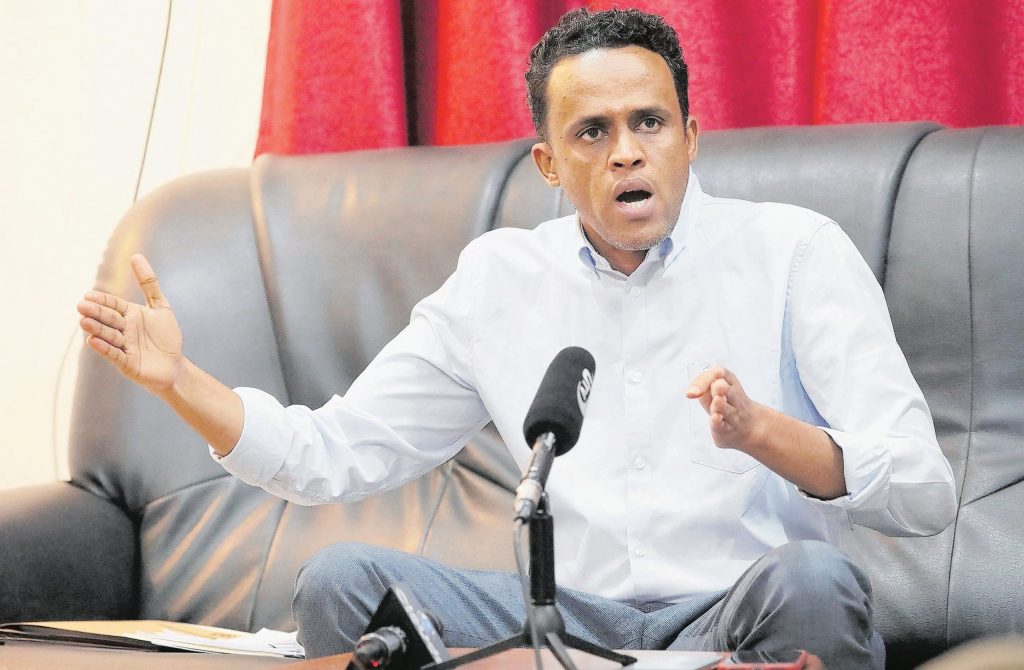
“An MPI of 78 is a warning light, not a stop sign,” said DCG Chief Economist Chifipa Mhango, PhD.
“The same pressures exposing vulnerabilities are also highlighting where strategic capital can create value.”
Mhango argues that Malawi’s economic challenges — including foreign exchange shortages, high inflation, energy deficits and heavy import dependence — are also creating the greatest opportunities for long-term investors.
“The strongest returns will come where private capital can substitute imports, solve structural gaps, improve productivity, earn or save foreign exchange, and strengthen value chains. In short, Malawi’s pressure points are its opportunity points,” he said.
DCG assessed six sectors based on prevailing operating conditions, with three identified as offering relatively low investment risk.
Agriculture and agro-processing
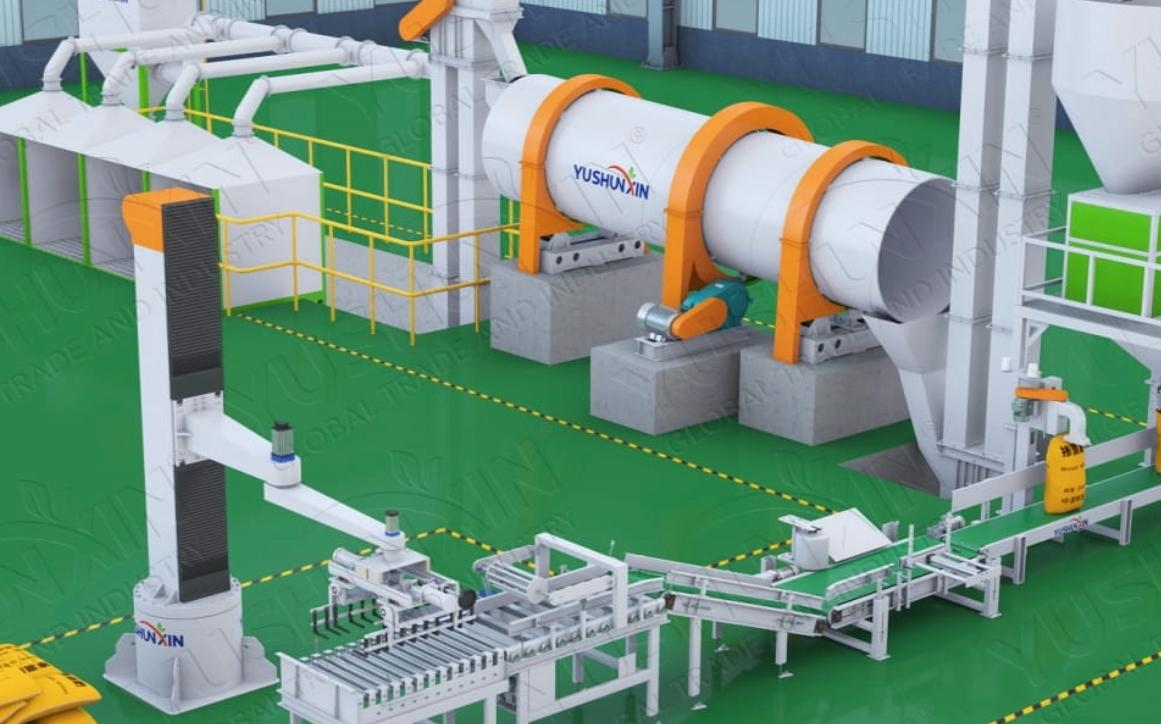
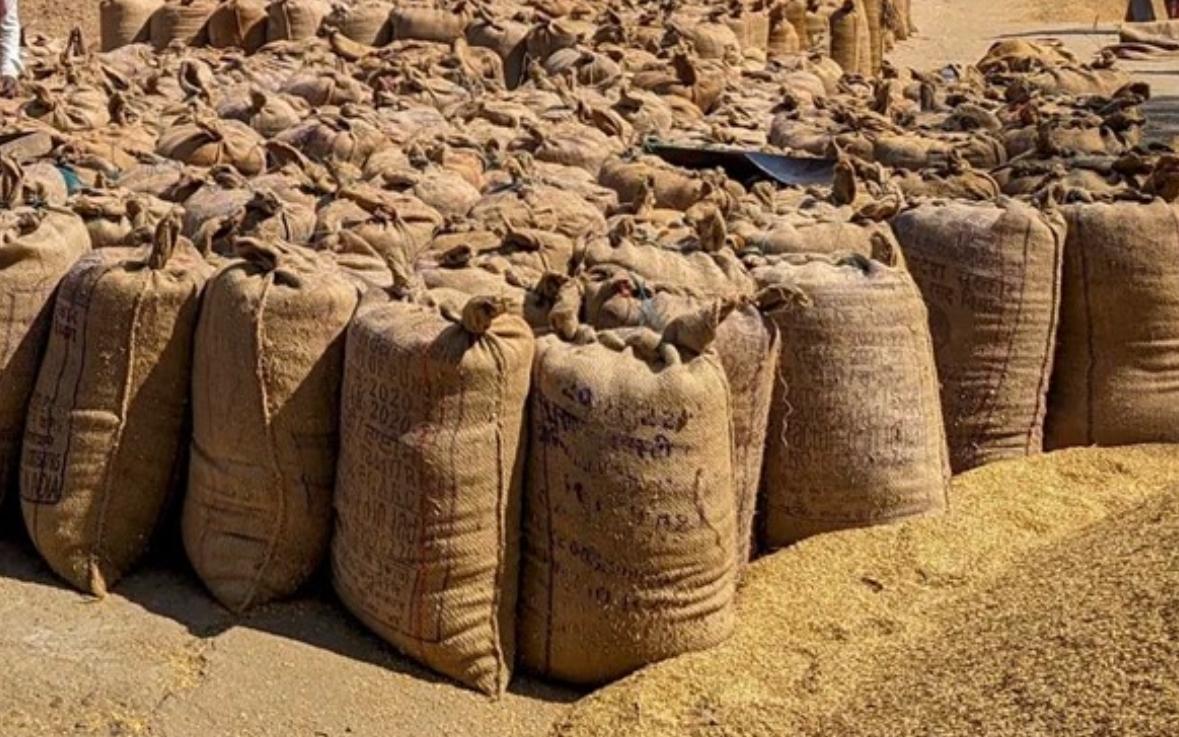
Driven by strong domestic demand and the need to reduce imports, DCG says opportunities extend far beyond primary farming. The opportunities are in food processing, cold storage, logistics, packaging, irrigation and agritech.
Why now? Expanding local production reduces import costs and boosts export potential. Government policy prioritises food security and value addition.
Energy and renewables
Malawi’s chronic electricity shortages continue to constrain households, businesses and industry, creating sustained demand for alternative energy solutions which include solar power, hydropower, biomass and energy-efficiency solutions for commercial, industrial and residential users.
Addressing power shortages would unlock growth across multiple sectors while providing commercially viable investment opportunities.
Digital economy and technology
DCG says the digital economy requires relatively low physical capital while benefiting from growing adoption, even amid foreign exchange constraints. Opportunities are in Fintech, mobile money, digital payments, e-commerce platforms and business-to-business software-as-a-service (SaaS).
Digital businesses can scale rapidly, improve productivity and expand financial inclusion with limited reliance on imports.
The report classifies infrastructure and construction as well as tourism, hospitality and the creative economy as moderate-risk sectors. While both present substantial opportunities — including in roads, housing, water infrastructure and tourism assets — they remain vulnerable to financing constraints. DCG says successful projects will require careful structuring through public-private partnerships and concessional finance.
Manufacturing and industry was rated high-risk because of its dependence on imported inputs, foreign exchange availability and high energy costs. Even so, DCG says the sector remains strategically important for import substitution and industrialisation, offering potentially strong returns for patient, well-capitalised investors.
The report also highlights Malawi’s broader macroeconomic challenges, including” 21.1% inflation”, a “24.0% policy rate”, continued depreciation of the kwacha, “public debt equivalent to 80.9% of GDP”, and limited foreign exchange reserves. Global oil price volatility remains another significant risk.
To navigate the current environment, DCG recommends that investors:
- Diversify investments.
- Hedge against currency risk.
- Maintain strong cash-flow discipline.
- Align investments with government reforms.
- Invest in technology and operational efficiency.
- Build local partnerships.
- Integrate environmental, social and governance (ESG) principles.
Despite these headwinds, DCG concludes that Malawi’s outlook warrants “cautious optimism.”
“The economy will not transform by waiting for stability. It will transform by investing to build that stability,” the report says.
The consultancy adds that the next 12 to 24 months will determine whether government policy and private capital can convert current economic pressures into productive investment that reduces import dependence, creates jobs and strengthens economic resilience.
—
Also Read: Mutharika targets tourism, transport to drive economic growth
Related: All hands on deck: Rebuilding Malawi’s broken economy