A parliamentary committee has urged the government to consider temporarily restricting travel to South Africa, arguing that continued irregular migration is exposing Malawians to xenophobic attacks while driving up the cost of repatriation and humanitarian assistance.
NEWS | Migration | Parliament | South Africa | Edwin Mauluka
Malawi should consider imposing a temporary travel ban to South Africa to protect its citizens from ongoing xenophobic attacks while reducing the growing cost of repatriation, a parliamentary committee has recommended.
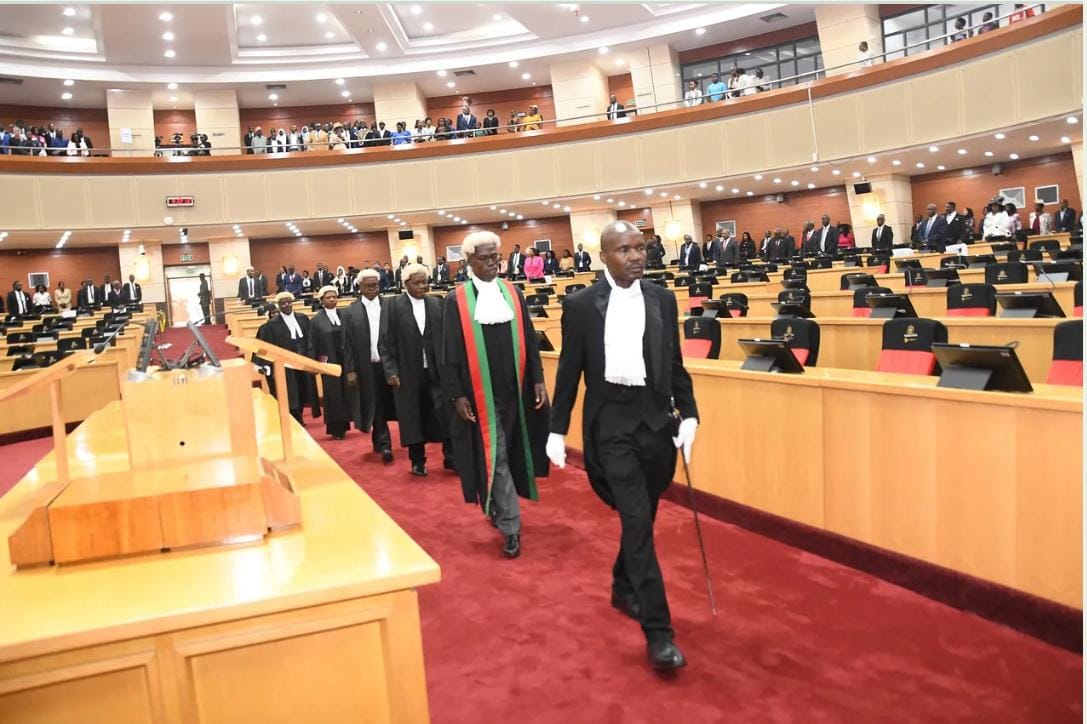
Presenting the Committee on International Relations’ report in the National Assembly on Wednesday, Vice-Chairperson Frank Mwenefumbo said many Malawians continue to travel to South Africa without proper documentation, while some deportees return to Africa’s largest economy shortly after being repatriated.
The committee reached its recommendations following consultations with government ministries, departments and agencies in June.
“The Ministry of Foreign Affairs and International Cooperation should engage relevant stakeholders to explore the possibility of effecting a temporary travel ban to South Africa, except in special circumstances, as a measure to safeguard national resources and protect citizens,” Mwenefumbo said.
He argued that limited public resources should be reserved for genuine humanitarian cases.
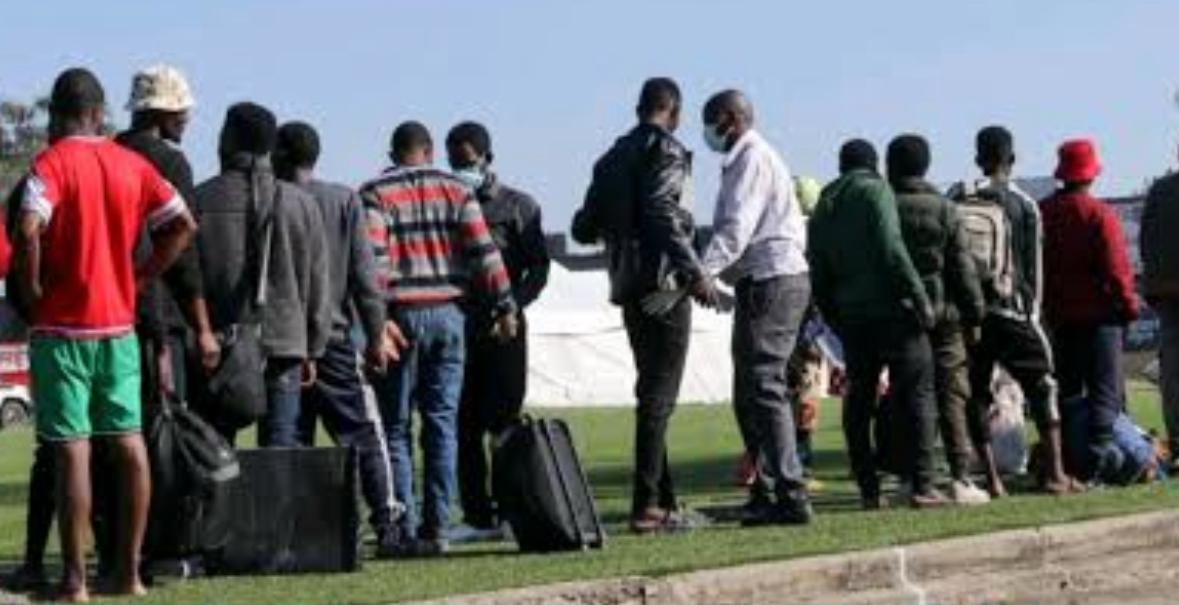
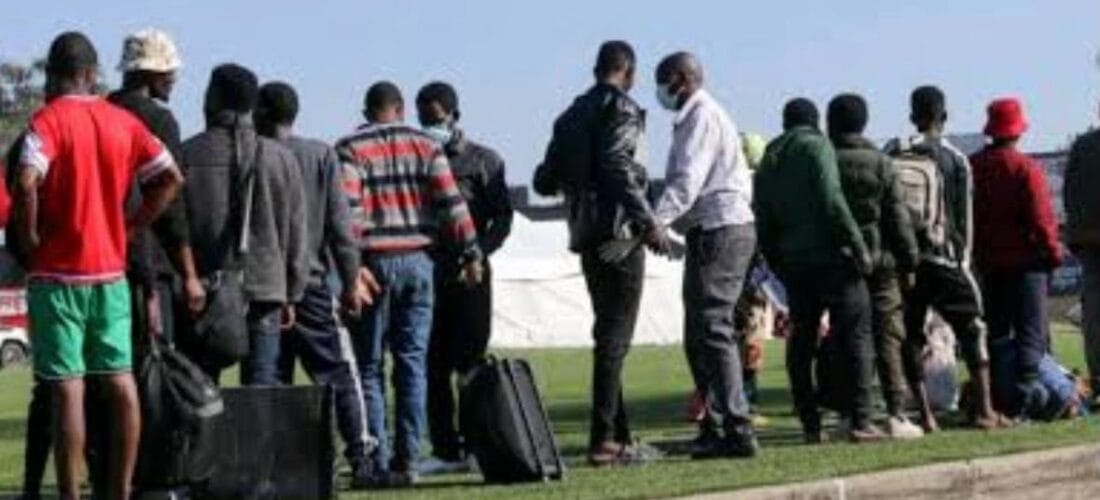
Anti-immigrant activists in South Africa had set 30 June 2026 as a deadline for undocumented migrants to leave the country or face prosecution. The campaign is believed to have affected more than 15,000 Malawians, many of whom have sought government assistance to return home.
In response, the Malawi government launched a voluntary repatriation programme and appealed to the private sector and development partners to support the humanitarian operation.
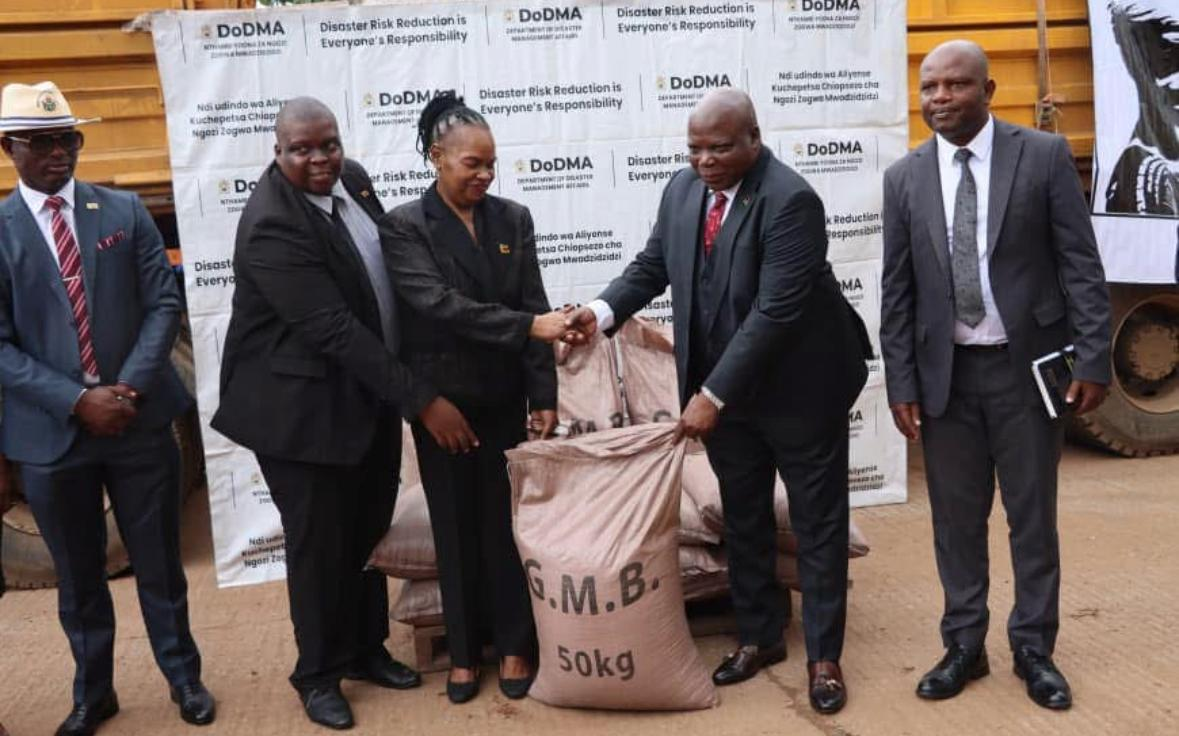
The Department of Disaster Management Affairs (DoDMA) estimates that the full repatriation exercise will cost MWK24.6 billion.
The committee said the government had already spent MWK787.6 million on transport and emergency assistance, including food, shelter, water, sanitation and hygiene supplies.
Lawmakers warned that continued irregular migration to South Africa risks undermining the effectiveness of the repatriation programme while placing an increasing burden on taxpayers.
The committee also expressed concern that some foreign nationals were exploiting Malawi’s repatriation arrangements by using the country as a transit route to their own countries.
“These individuals are using Malawi as a transit route to connect to their own countries, thereby straining national resources and undermining the purpose of the repatriation programme,” Mwenefumbo said.
To stem irregular migration, the committee called on the Department of Immigration and Citizenship Services to tighten border controls and strengthen enforcement against illegal migration and human trafficking.
It also urged the Ministry of Homeland Security to fast-track the review of the Immigration Act and migration policy to introduce tougher penalties for illegal migration and trafficking offences.
The committee further appealed to Malawians travelling abroad to ensure they carry valid passports, visas and other required travel documents to reduce their vulnerability to exploitation and harassment.
Lawmakers also criticised what they described as an inadequate government presence in South Africa during the repatriation exercise, saying too few officials had been deployed to support affected citizens.
On the humanitarian response, the committee urged the Treasury to provide adequate funding for the exercise while subjecting DoDMA’s budget to rigorous scrutiny to ensure accountability and value for money.
It also called on the Office of the President and Cabinet to negotiate bilateral labour agreements with countries in the region and beyond to create safer and legal employment opportunities for Malawians abroad.
Seconding the report, Zomba Chingale MP William Susuwele Banda said government must strengthen reintegration programmes for returnees.
“Many returnees face challenges in accessing housing, employment and psychosocial assistance, which risks creating long-term social and economic vulnerabilities,” he said.
He also urged government to intensify public awareness campaigns on safe migration and continue mobilising buses from ministries and public institutions to reduce transport costs.
Soche Zingwangwa MP Penjani Kalua proposed tax relief for returning Malawians who wish to liquidate assets acquired in South Africa and use the proceeds to rebuild their lives at home.
Meanwhile, Lilongwe Nyanja MP Steven Malondera questioned the projected MWK24.6 billion cost of the repatriation exercise, arguing that the figures did not add up.
Using the estimated 16,000 returnees, he calculated that the budget amounted to about MWK1.6 million per person.
“The cost of transport between Malawi and South Africa ranges between MWK250,000 and MWK300,000. Who is getting the remaining money?” he asked.
Malondera argued that if the costs were indeed that high, the government would have been better off flying returnees home.
But Minister of Information and Deputy Leader of the House Shadreck Namalomba rejected the criticism, saying the calculations ignored the full cost of the operation.
He said the budget covers transport, accommodation, food and other welfare support before returnees leave South Africa, as well as reintegration assistance after they arrive in Malawi.
Namalomba also reminded Malondera, in his capacity as chairperson of the Public Accounts Committee, that he has the authority to investigate the expenditure if he has concerns.
Second Deputy Speaker Esther Jolobala supported the minister’s explanation, citing her own experience assisting returnees from her constituency.
“I was supporting each individual at MWK800,000. That is the reality,” she said, adding that the government’s estimates were consistent with the actual costs of repatriation.
—
Also Read: South Africa’s anti-migrant backlash is Malawi’s wake-up call