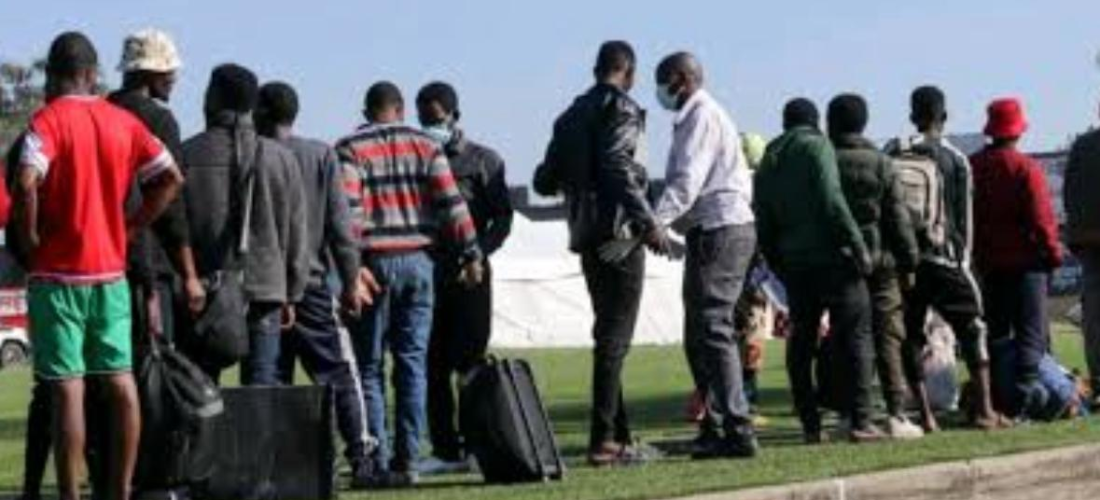
A youth organisation is urging the government to impose temporary travel restrictions on South Africa, arguing that rising anti-migrant violence, mounting repatriation costs and weak border controls demand urgent action to protect Malawians.
NEWS | Migration | Edwin Mauluka
The Mzuzu Youth Caucus has urged the Ministry of Homeland Security to introduce temporary travel restrictions to South Africa, citing escalating anti-migrant violence and the growing financial burden of repatriating Malawians fleeing the country.
Speaking at a news conference on Friday, the organisation’s chairperson, Gomezgani Nkhoma, said reports from the Department of Immigration indicate that an average of 400 Malawians continue to leave for South Africa every day despite mounting security concerns.
“This means both the government and well-wishers will continue spending scarce resources to repatriate our citizens. That is simply not sustainable,” Nkhoma said.
His remarks come as the government estimates it will need MWK24.6 billion to repatriate about 15,000 Malawians from South Africa.
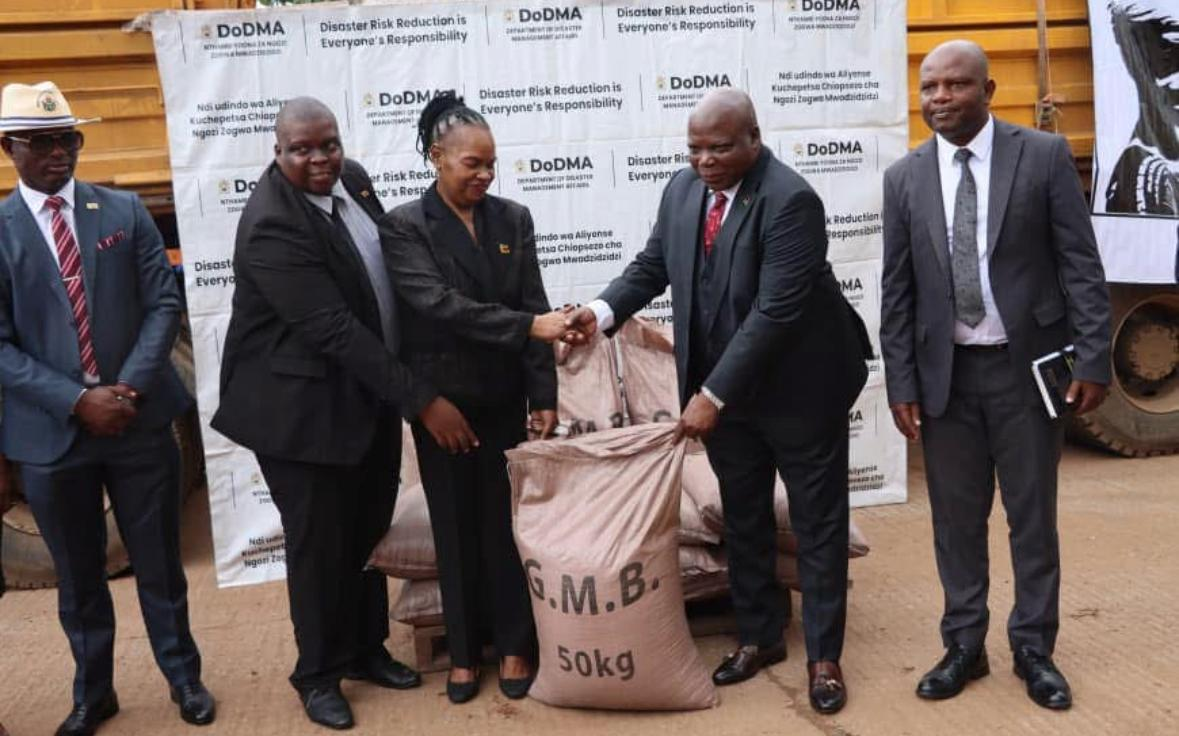
Appearing before Parliament’s Committee on International Relations on Wednesday, Commissioner for the Department of Disaster Management Affairs (DoDMA) Wilson Moleni said the latest estimate had risen sharply from the 10,000 nationals the department had projected on June 15.
The repatriation exercise follows renewed anti-migrant protests in South Africa, where demonstrators have reportedly given undocumented foreign nationals until June 30 to leave the country.
Nkhoma said the crisis had also exposed weaknesses in Malawi’s border management, including suspected human trafficking, inadequate biometric screening and ineffective migration controls during international emergencies.
He called on the Ministry of Homeland Security to adopt tougher preventive measures, including requiring travellers to South Africa to post a MWK2 million bond for non-essential travel.
He also proposed stricter verification procedures and special clearance for business, academic and medical travel until the security situation improves.
In addition, Nkhoma urged the Department of Immigration to deploy advanced biometric systems, including facial and fingerprint recognition technology, at major border posts to track repeat irregular migrants and strengthen border security.
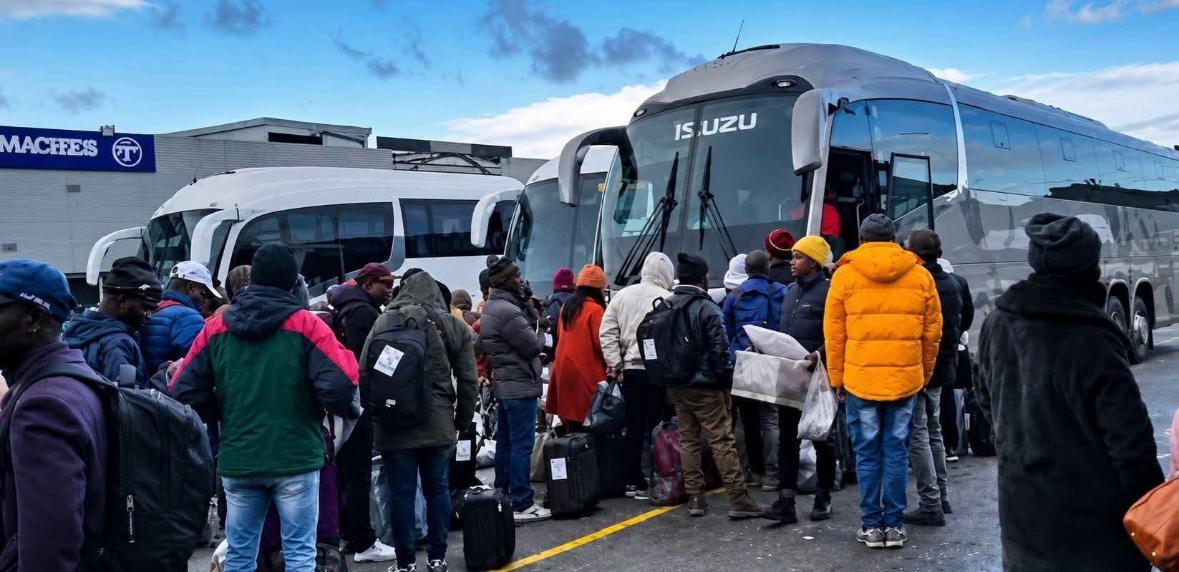
He further called for closer monitoring of ticketing agents and bus operators serving the Malawi-South Africa route to prevent the transportation of undocumented travellers.
“The Ministry of Homeland Security, working together with the Ministry of Transport, should closely monitor transport operators to flush out those facilitating undocumented travel,” he said.
Nkhoma also urged the government to use Malawi’s chairmanship of the Southern African Development Community (SADC) to push for regional discussions on border security, human trafficking and the welfare of young people across the region.
“Managing a disaster of this magnitude requires aggressive preventive policies alongside humanitarian assistance. Tightening border regulations will not only protect public resources but also save lives and preserve the dignity of Malawi’s youth,” he said.
The government initially planned to repatriate about 600 Malawians using 55 hired buses when the number of affected citizens was estimated at around 3,000.
In a statement issued on June 15, Moleni appealed for financial and logistical support, saying the scale of the voluntary repatriation exercise had created unprecedented humanitarian and operational challenges.
“Together, we can ensure that affected Malawians return home safely, with dignity and hope for a fresh start,” he said, adding that all assistance would be managed transparently and accountably.
The government has appealed to development partners, humanitarian organisations, transport operators, faith-based institutions, the private sector and other well-wishers to contribute financial support, transport services and relief supplies.
A government task force has already been deployed to South Africa to register affected Malawians, facilitate emergency travel documents and coordinate their return.
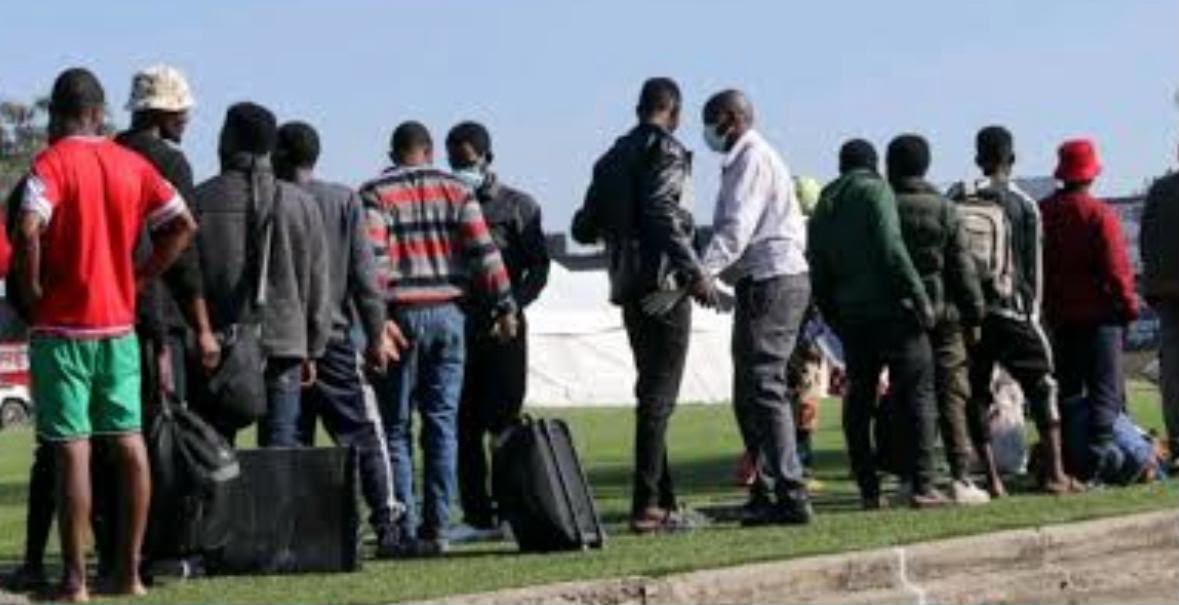
The first group of returnees arrived in Malawi on June 9 and was received at Kamuzu Stadium in Blantyre, where authorities are providing temporary shelter, food assistance, psychosocial support and onward transport to their home districts.
—
Also Read: Malawi begins repatriating citizens as anti-migrant protests escalate in South Africa