
By Edwin Mauluka
Government has reduced capital gains tax (CGT) on the sale of listed shares following consultations with financial and capital markets experts.
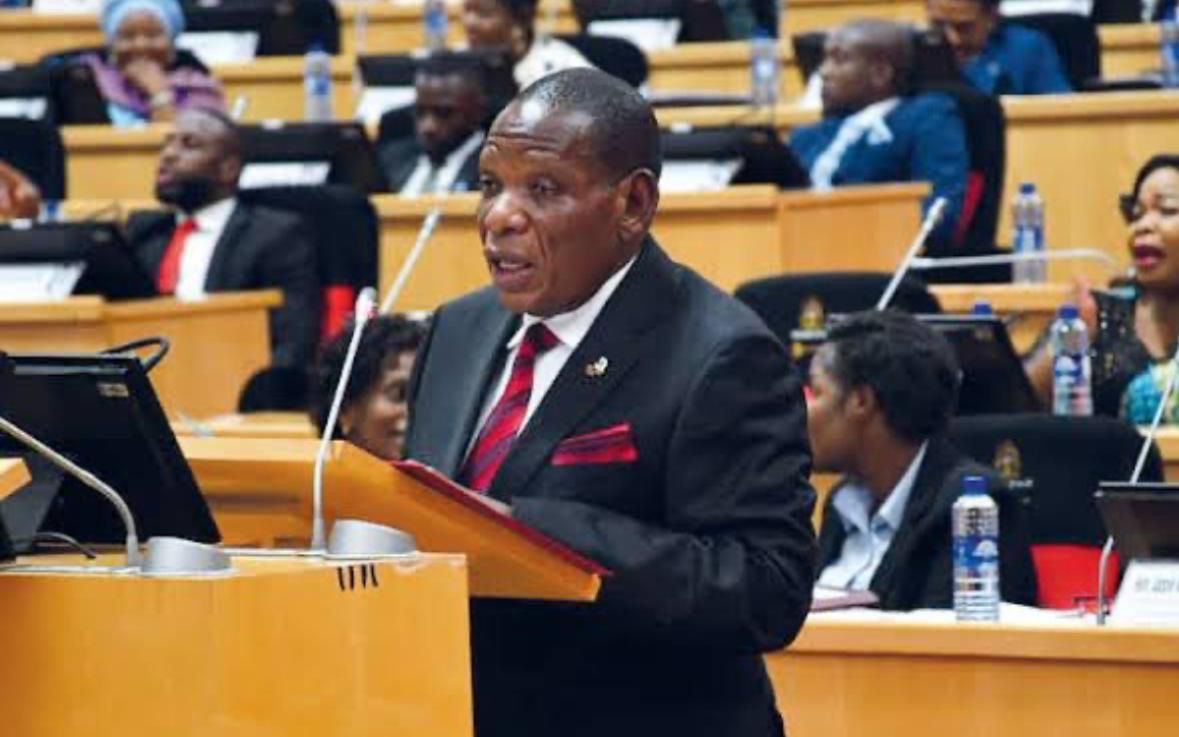
Minister of Finance, Economic Planning and Decentralisation, Joseph Mwanamvekha, said the existing CGT— a tax on the profit made from selling an asset, such as stocks, bonds or real estate — will be replaced with a final withholding tax of 2 percent on gross proceeds from share sales.
The tax will be deducted at source by brokers, the Malawi Stock Exchange, or other designated agents.
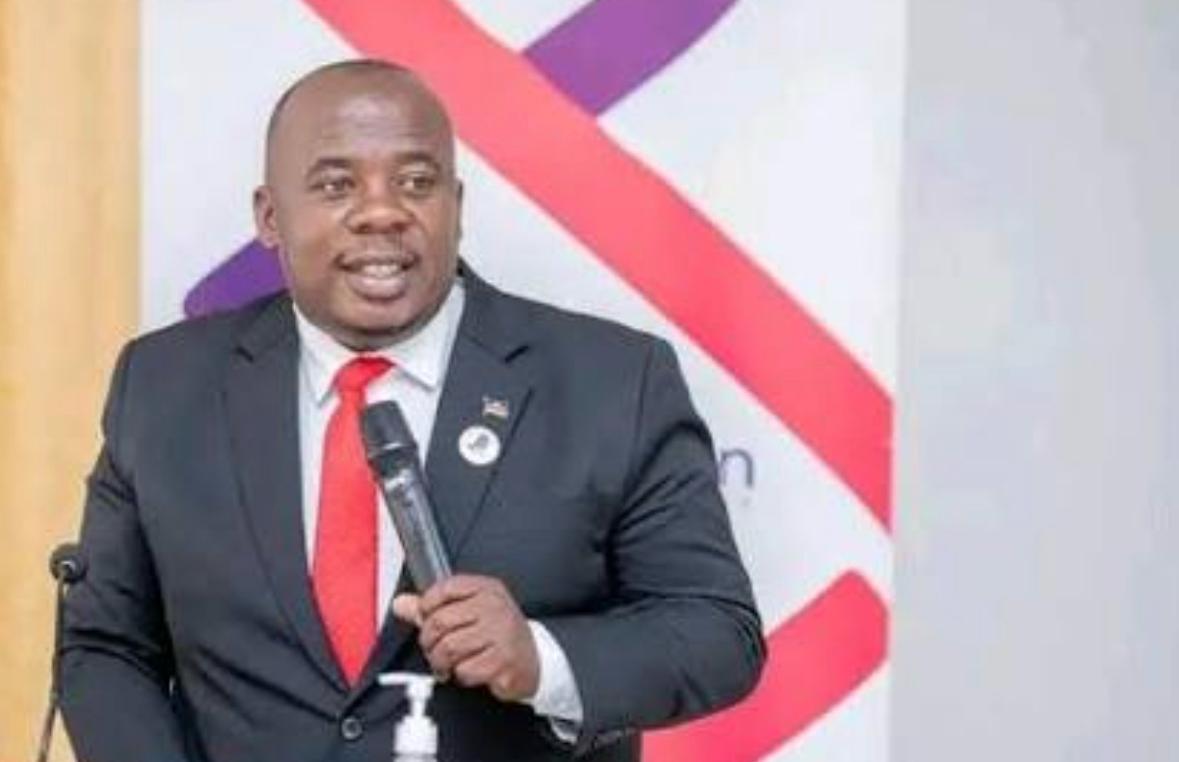
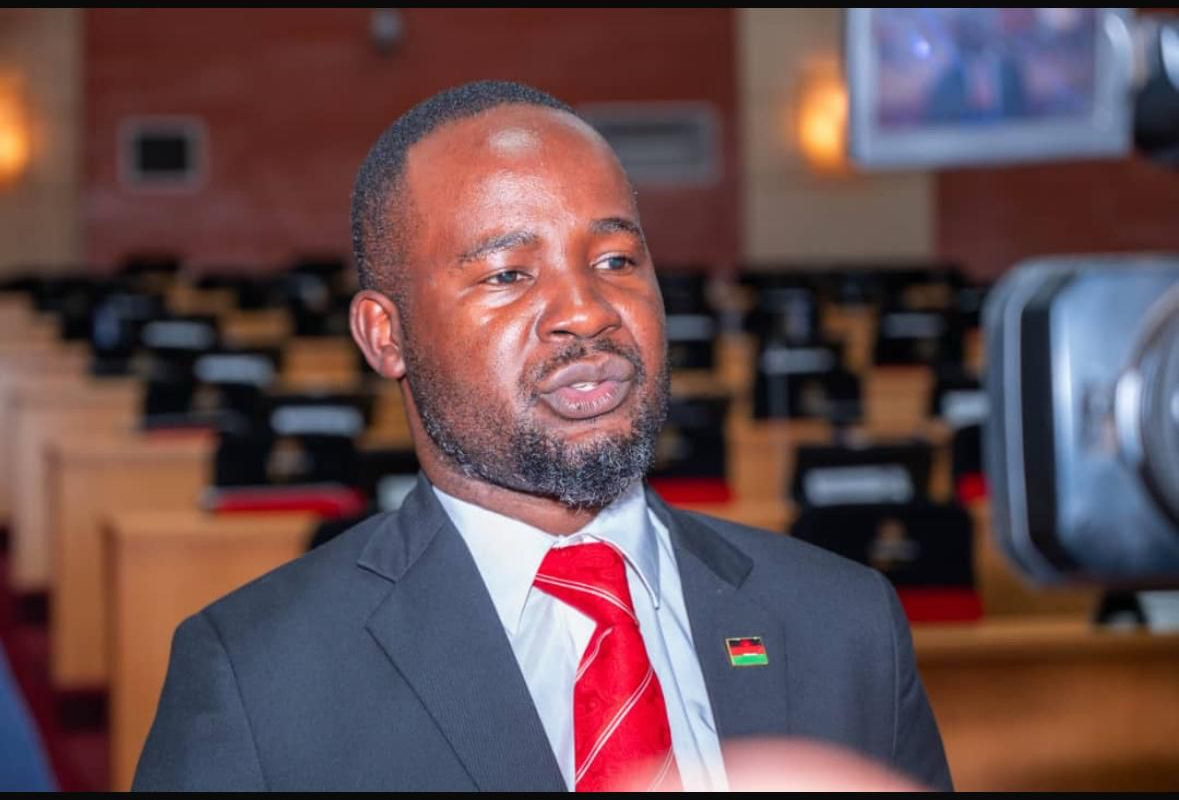
Bankers Association of Malawi President and Standard Bank Chief Executive Officer, Philip Madinga, said the move reflects government’s willingness to listen to private sector concerns.
“There was a huge outcry when the capital gains tax was introduced at 30 percent. The reduction to 2 percent is massive,” said Madinga.
He noted that the change will allow investors to realise better returns on their shares, boosting market participation.
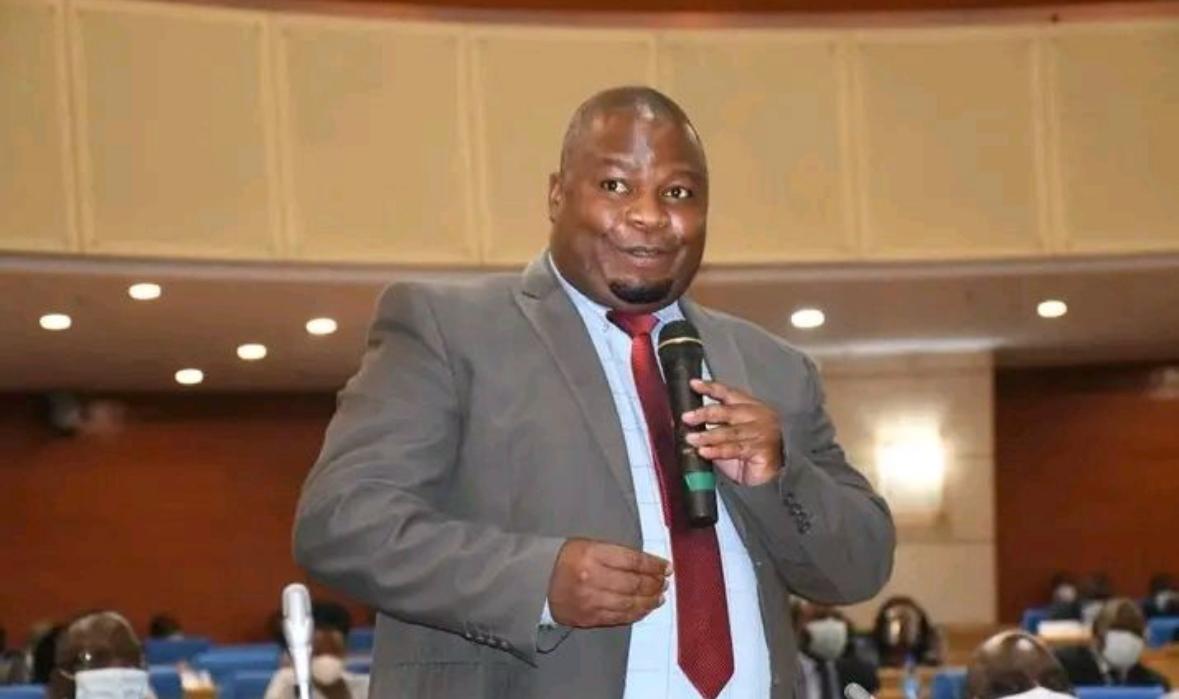
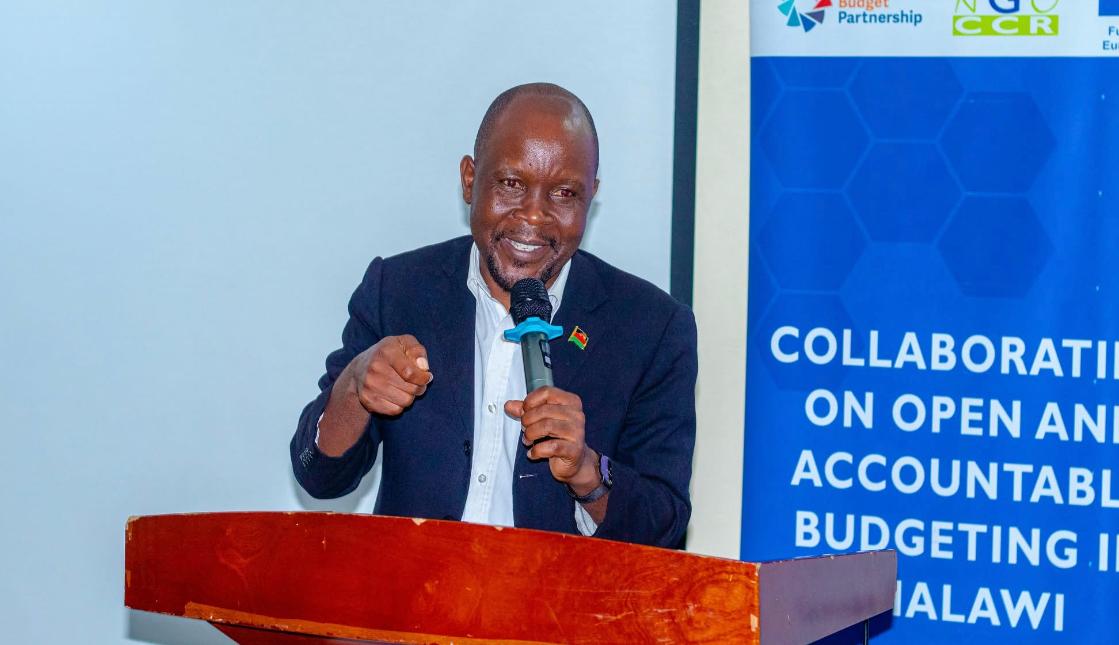
Similarly, Institute of Chartered Accountants in Malawi (ICAM) President Daniel Jere described the budget as “promising,” particularly for the private sector.
“The removal of the 30 percent capital gains tax and its replacement with a 2 percent withholding tax helps preserve the investment climate,” he said.
Jere added that investors can now re-enter the market with confidence, expecting positive returns, something previously discouraged by high taxation.
He also welcomed plans to reduce the fiscal deficit from 11 percent of GDP to 9 percent, saying this would ease budgetary pressures.
“We are also seeing a development-focused budget, with over 30 percent allocated to productive sectors. The Constituency Development Fund, at over K1.1 trillion, is significant in taking development closer to the people,” he said.
However, Jere stressed the need for strong governance to ensure public funds are used as intended. He called for the establishment of audit committees and pledged ICAM’s support in strengthening public finance management.
Madinga described the budget as “bold and courageous,” noting consistent investment in key sectors such as agriculture, tourism, energy, and infrastructure.
“This aligns with efforts to boost production and exports, alongside import restrictions and new incentives. It’s a balanced budget, but requires consistent reforms, especially in public finance management,” he said.
Other measures announced include allowing the construction of dams and farm water infrastructure to be treated as deductible expenses to promote irrigation.
The administration of the Motor Vehicle Insurance Accident Levy has been strengthened by assigning it to the Malawi Revenue Authority.
Government has also introduced a 10 percent withholding tax on casino wagers and a 15 percent withholding tax on withdrawals for lotteries and sports betting.
A 15 percent withholding tax on residential rental income has been introduced, while commercial property income will remain under the existing framework.
Additional amendments to the Taxation Act aim to strengthen compliance and administration.
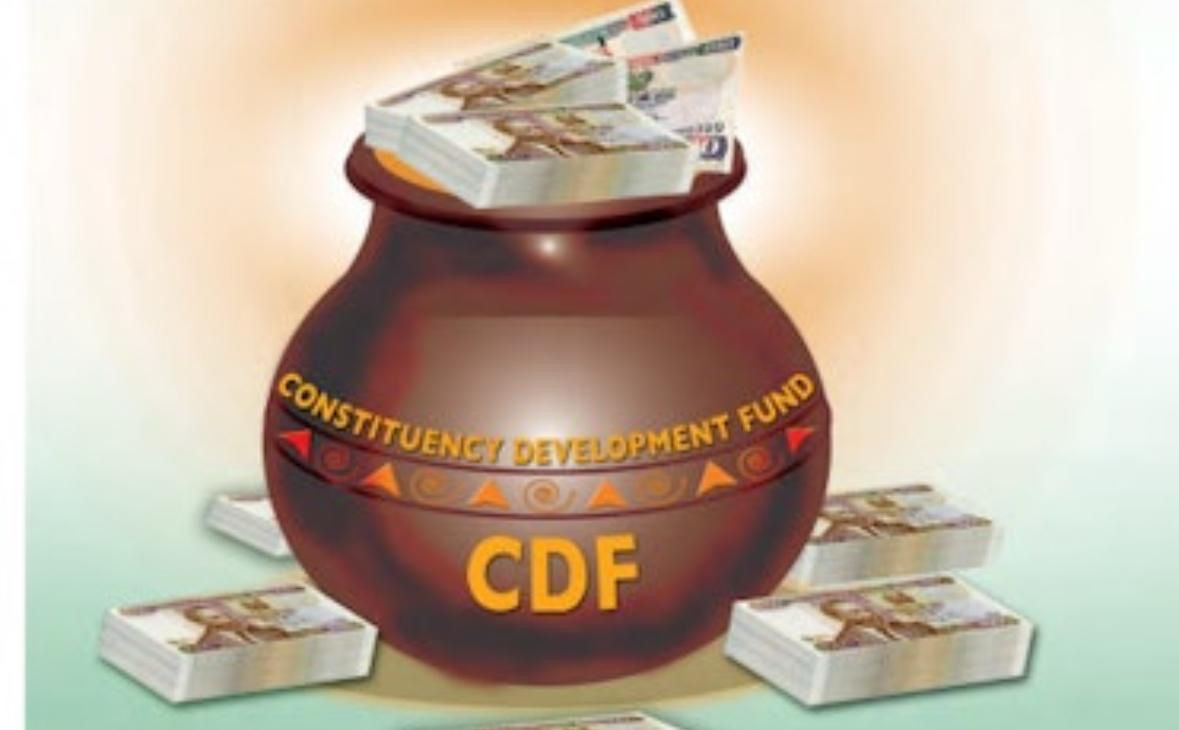
Meanwhile, the government will roll out the reformed Constituency Development Fund (CDF) on April 1, allocating MWK5 billion per constituency.
Mwanamvekha said the K1.145 trillion allocation reflects government’s commitment to people-centred, community-driven development through improved governance and performance-based financing.
He added that some projects previously managed by central ministries have been devolved to local councils, although certain projects will remain under central government to clear outstanding obligations.
The minister also announced MWK7 billion for the Social Cash Transfer Programme, MWK2 billion for the Disability Trust Fund, and MWK1 billion for the National Children’s Commission.
Government will continue providing relief support, including maize distribution, to vulnerable households affected by drought and rising prices.
—
Also Read: Malawi unveils K10.9 trillion 2026/27 budget, deficit narrows as govt targets economic recovery
Related: Malawi introduces CDF guidelines, increases funding to MWK5 billion per constituency
Related: Jere tables CDF Amendment Bill to strengthen MPs’ role in local development