
By The Forum
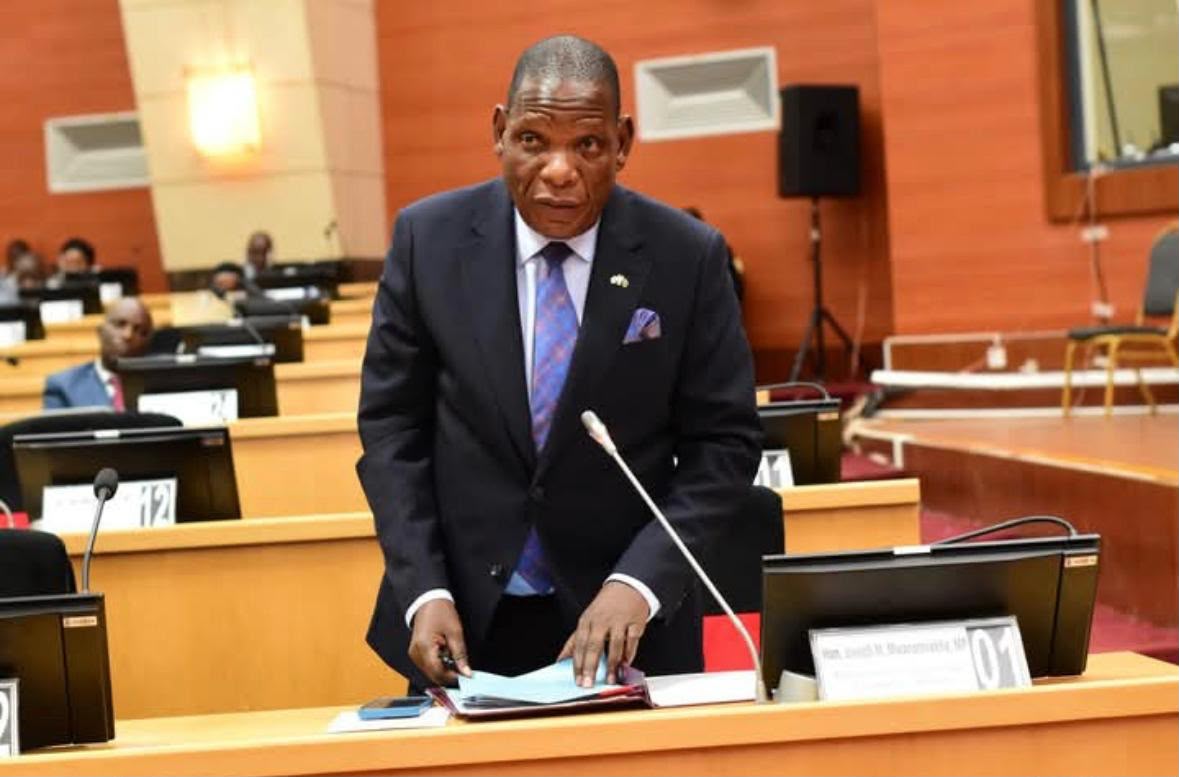
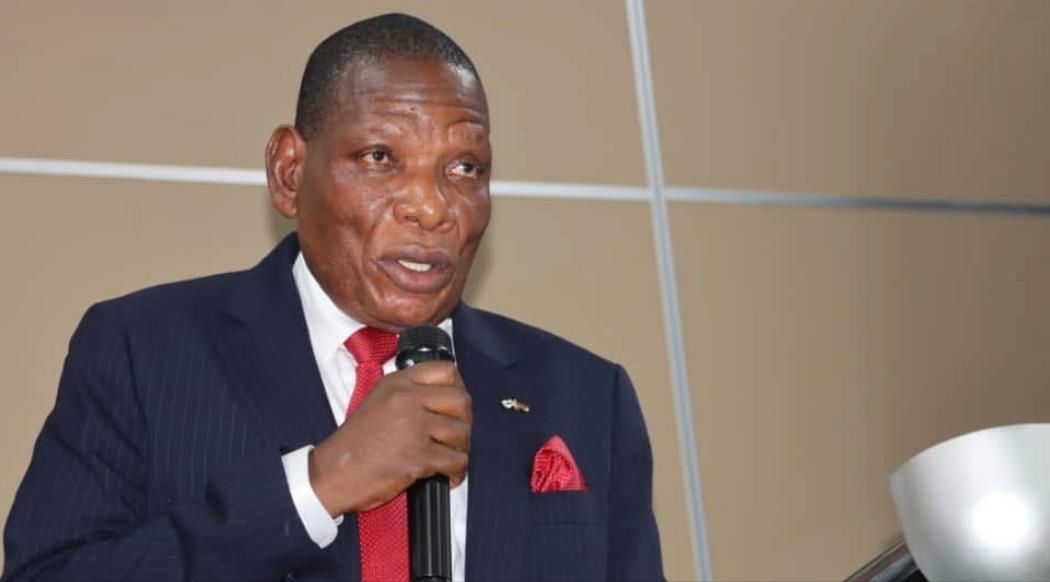
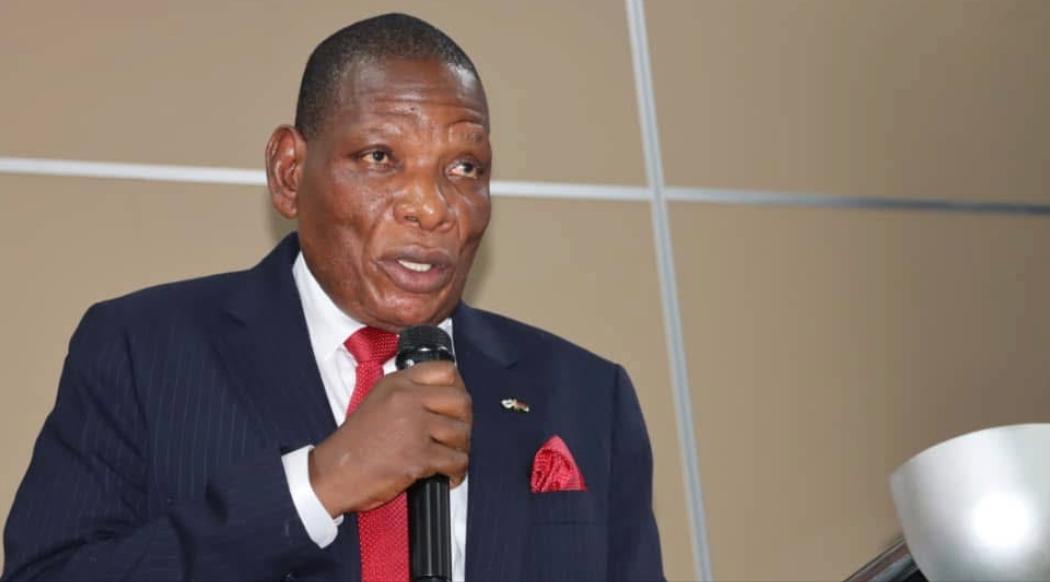
Minister of Finance, Economic Planning and Decentralisation, Joseph Mwanamvekha, says reform measures announced during the November 2025 Mid-Year Budget Review have now translated into concrete actions across key sectors of the economy.
Mwanamvekha said although the Democratic Progressive Party (DPP) assumed office at a time when the economy was struggling, the administration’s interventions are gradually stabilising the situation. He cited improved fuel supply, easing inflation, lower interest rates and declining prices of selected commodities as early signs of recovery.
According to the minister, expenditure control measures and related reforms are projected to reduce the 2025/26 budget outturn by K158 billion.
On food security, Mwanamvekha reported that food inflation has stabilised and that 81,576.75 metric tonnes of maize have been stocked in the Strategic Grain Reserve for market stabilisation and food security purposes.
In response to a 1.2 million metric tonne maize deficit, the government procured 58,029 metric tonnes — 42,200 metric tonnes imported from Zambia and 15,829 metric tonnes sourced locally.
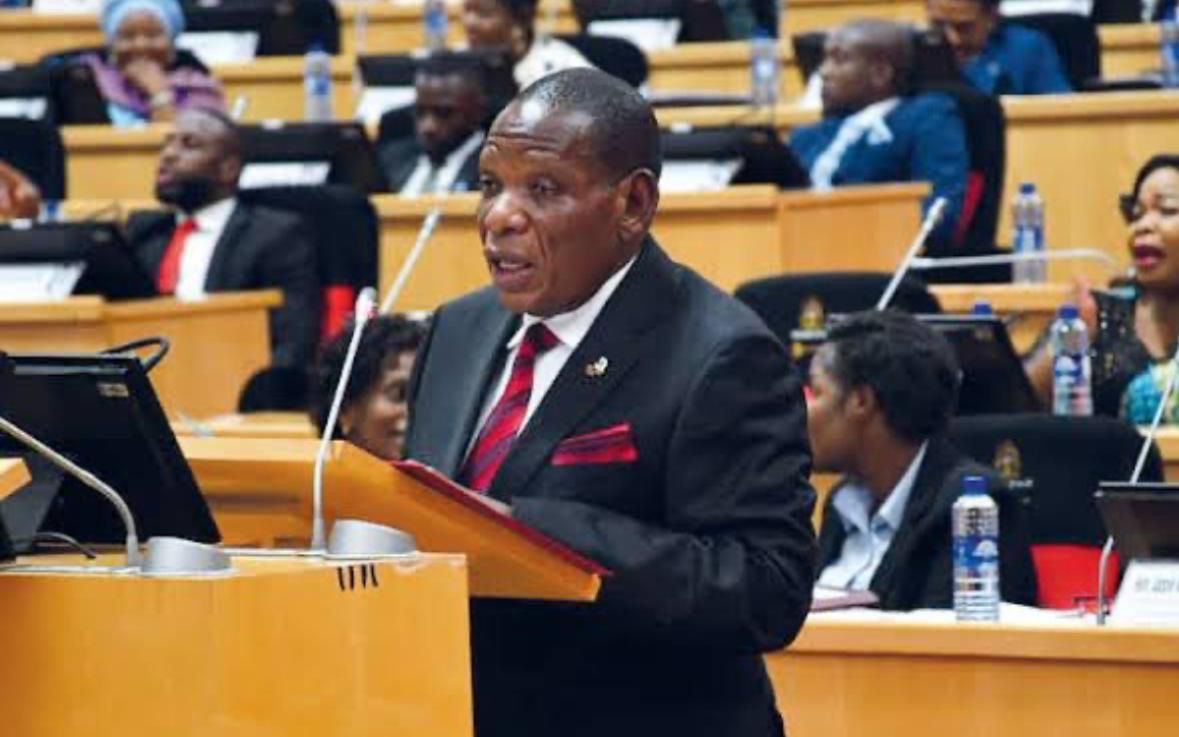
“Mr Speaker Sir, the maize market has seen a significant reduction in prices. A 50kg bag is now selling between K38,000 and K45,000, down from around K100,000. This has enhanced affordability and accessibility, even during the lean period, and helped avert a hunger situation,” Mwanamvekha said.
The minister also highlighted progress under the Farm Input Subsidy Programme (FISP), where beneficiaries increased from 528,000 to 1.1 million households. He said over 65 percent of targeted beneficiaries have redeemed their inputs, despite delays caused by the September 2025 General Elections.
On the newly introduced free public secondary education policy, Mwanamvekha said parents and guardians are no longer paying general purpose, examination and identity card fees in public primary schools. In secondary schools, development, tuition and examination fees have been abolished.
“This reform has significantly increased enrolment and is expected to reduce school dropout rates, thereby strengthening human capital development,” he said.
The minister further reported progress in clearing pension arrears and gratuities, assuring that the waiting period for payments will be reduced to three months from the previous average of over 36 months.
He also cited the resuscitation of the Automatic Pricing Mechanism (APM) for fuel, saying the move has improved fuel availability and accessibility.
On revenue measures, Mwanamvekha said government has implemented adjustments announced in the 2025/26 Mid-Year Budget Statement, including VAT changes, transaction levies and Pay As You Earn (PAYE) reforms.
Sector-specific achievements were also recorded in agriculture, tourism and mining. These include progress in irrigation development under the Shire Valley Transformation Project (STVP), implementation of the National Tourism Investment Masterplan, and the recommissioning of the Kayerekera Uranium Mine in Karonga. Government is also finalising mining regulations to operationalise the raw mineral export ban.
Commenting on overall budget performance, Mwanamvekha said revenue and grants overperformed by 1.2 percent.
He noted that the revised mid-year expenditure provision of K8.589 trillion is expected to close at K8.431 trillion, representing an under-expenditure of 1.8 percent due to expenditure controls and slower project implementation.
However, the fiscal deficit for the financial year is projected at K2.903 trillion — down from the revised mid-year projection of K3.128 trillion — representing a 7.2 percent reduction driven by lower expenditure and improved revenue performance.
—
Also Read: Tough choices ahead: Finance minister predicts hard decisions in 2026–27 budget