By Edwin Mauluka
Higher education institutions and education stakeholders have welcomed key allocations in the 2026/2027 National Budget, expressing optimism that the funding will help transform the country’s education sector.
A total of MWK1.28 trillion has been allocated to the education sector, representing 11.7 percent of the national budget. Of this amount, MWK234.3 billion has been earmarked for the country’s six public universities: MWK171.97 billion for operations, MWK45.2 billion for development projects, and MWK17.1 billion for repayment of service gratuity loans.
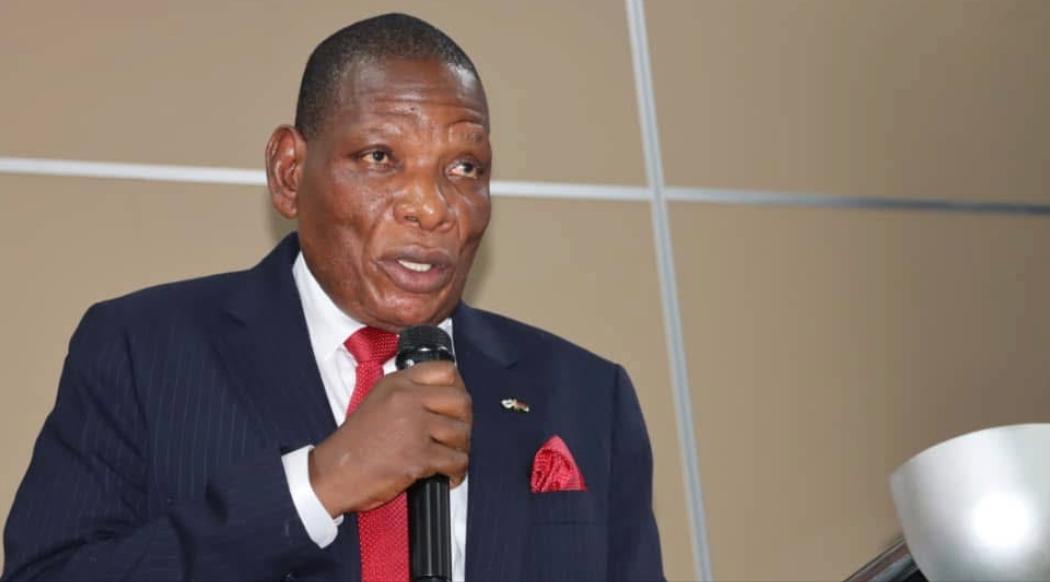
Reacting to the budget statement presented on Friday, Wales Singini, Vice Chancellor of Mzuzu University, described the allocations for operations and infrastructure development as commendable.
“Almost all public universities have ongoing infrastructure development projects, and it is exciting that government has provided resources for their completion. The budget has ensured that higher education is sufficiently supported,” he said.
Singini added that the allocations, alongside support from development partners, would enable universities to run operations smoothly and implement various projects.
He also welcomed the minister’s call for universities to pursue financial independence.
“It is important to hear the minister emphasising that, beyond these allocations, universities should start becoming financially independent and stable. That is a very good message. It will push us to become more creative and innovative so that we can generate our own resources to support operations and drive innovation,” he said.
Meanwhile, Benedicto Kondowe, Executive Director of the Civil Society Education Coalition (CSEC), noted that although the overall education budget declined slightly from MWK1.3 trillion to MWK1.28 trillion, some priority areas received substantial funding.
He cited the allocation for free secondary education as a positive step.
“About MWK31 billion has been allocated for the implementation of free secondary education, which is a good start. However, we would have preferred an allocation closer to MWK40 billion, as projections were around MWK41 billion,” said Kondowe.
From the total education allocation, MWK47.6 billion has been set aside for free secondary school education, including MWK31.7 billion to cater for development fees, while MWK15.9 billion has been allocated to free primary education to cover general purpose fees.
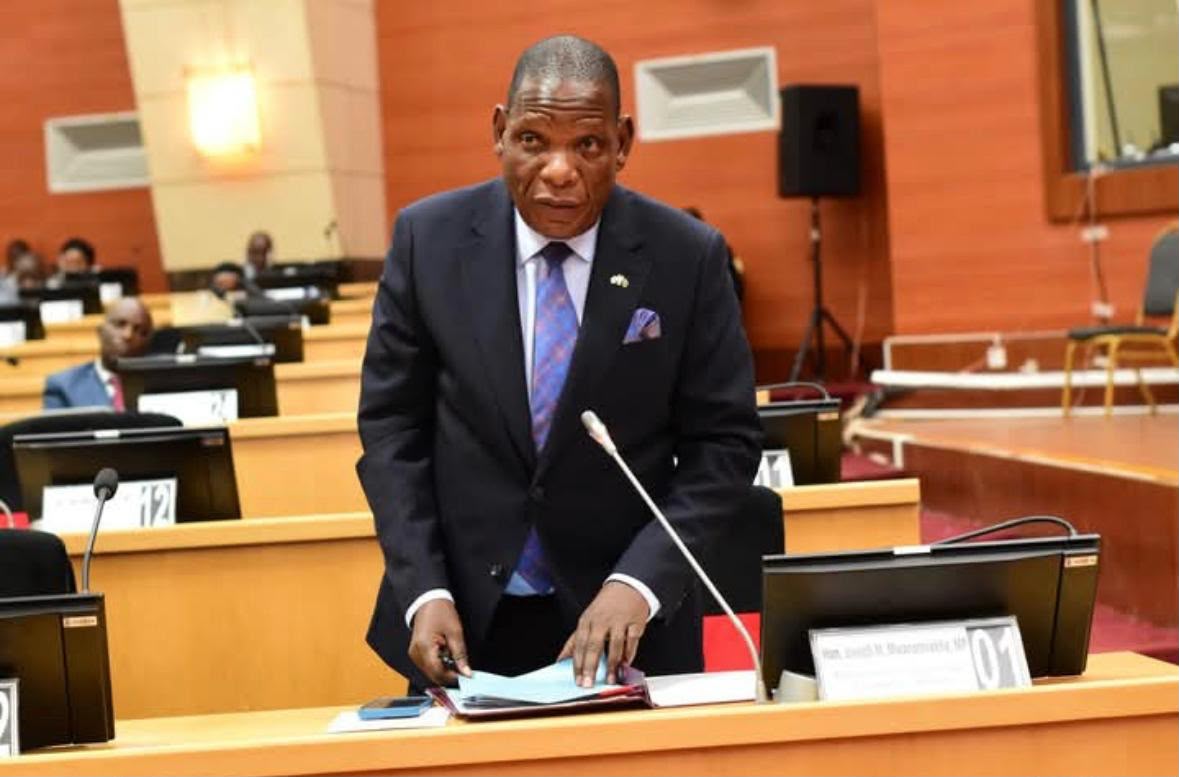
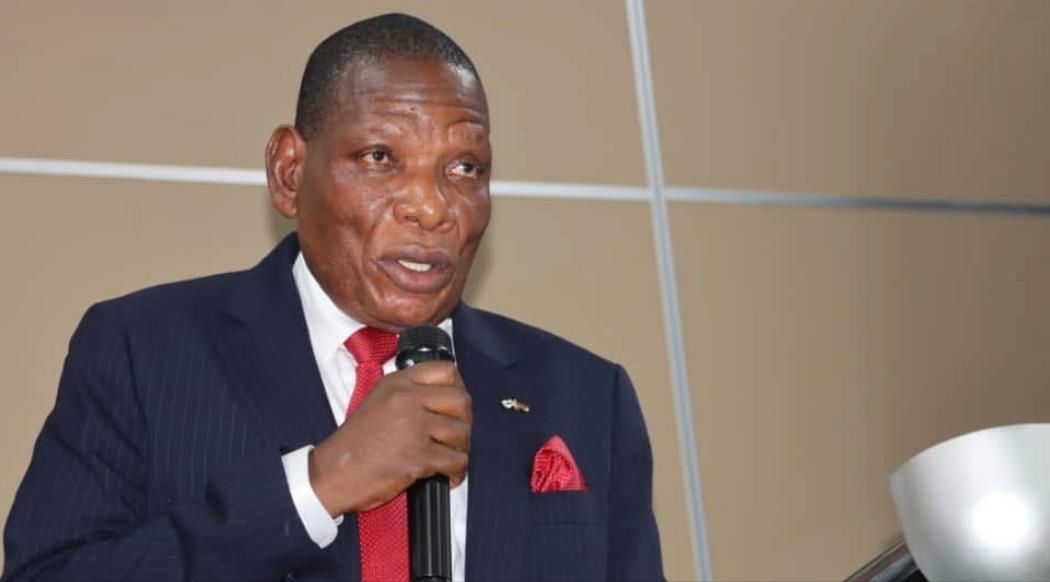
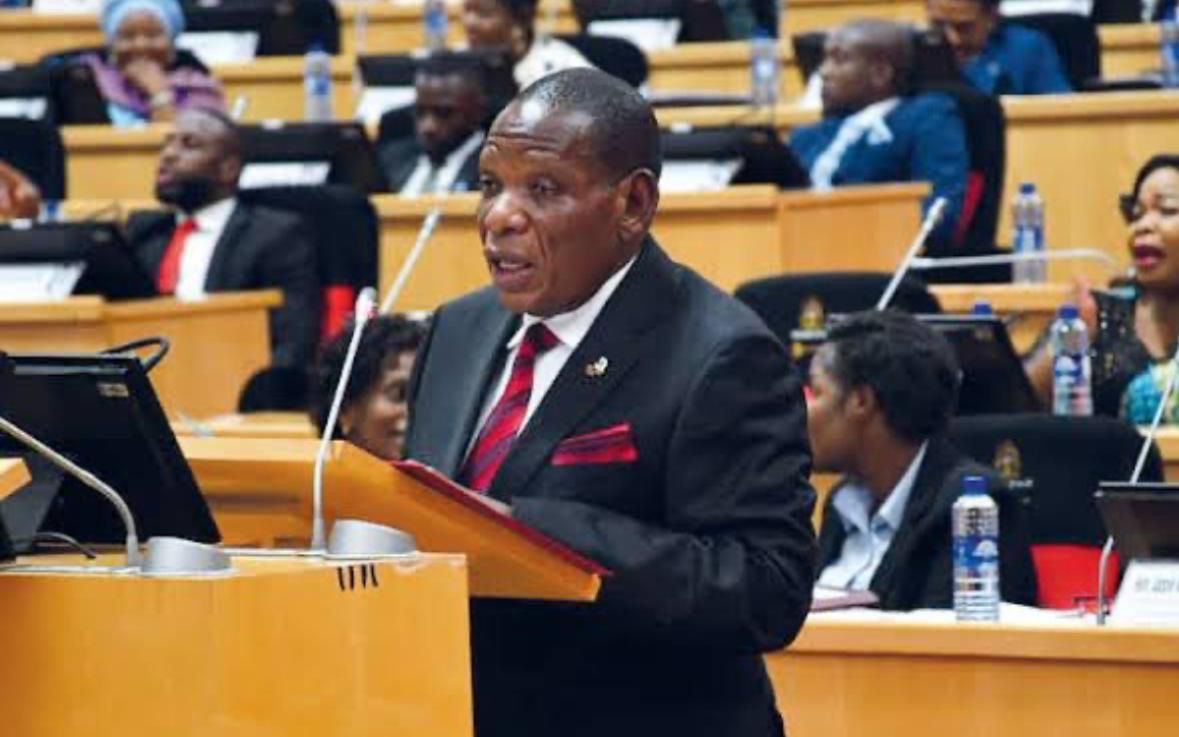
Presenting the budget, Finance Minister Joseph Mwanamvekha said MWK11.3 billion has been allocated for free examinations and students’ identity cards.
He also announced MWK11 billion for teaching and learning materials in primary and secondary schools, a 122 percent increase from the 2025/26 revised budget.
In addition, MWK45.7 billion has been allocated for the operations of secondary schools and teacher training colleges, with MWK31.4 billion going to secondary schools and MWK14.3 billion to teacher training colleges.
The budget further sets aside MWK42 billion for university student loans and upkeep allowances to support 40,000 students in public universities.
To reduce reliance on government subsidies, students with the capacity to pay will be required to pay cost-reflective fees, with loan subsidies targeted at those who cannot afford.
“To achieve this, all universities’ management are directed to categorise students based on their ability to pay,” Mwanamvekha said.
The government has also allocated MWK4.5 billion for the Graduate Internship Programme and an additional MWK3 billion to complete community technical colleges.
To accelerate infrastructure projects, including construction of Mombera University, the government has introduced a special financing instrument known as a Development Bond, with initial funding of MWK78 billion to support ongoing works.
Under innovation and production initiatives, the Malawi University of Science and Technology has received MWK1.1 billion for assembling laptops and tablets, while the Malawi University of Business and Applied Sciences has been allocated MWK3 billion for agricultural machinery production.
Additionally, MWK2 billion has been earmarked for the Youth Innovation Fund under the National Youth Council of Malawi, while MWK2.7 trillion has been allocated toward human capital development overall.
Stakeholders say the allocations signal a promising direction for the sector, but stress that effective implementation will be key to realising the intended transformation.
Also Read: Mwanamvekha unveils tough revenue measures, accuses MCP of ruining economy