By Edwin Mauluka
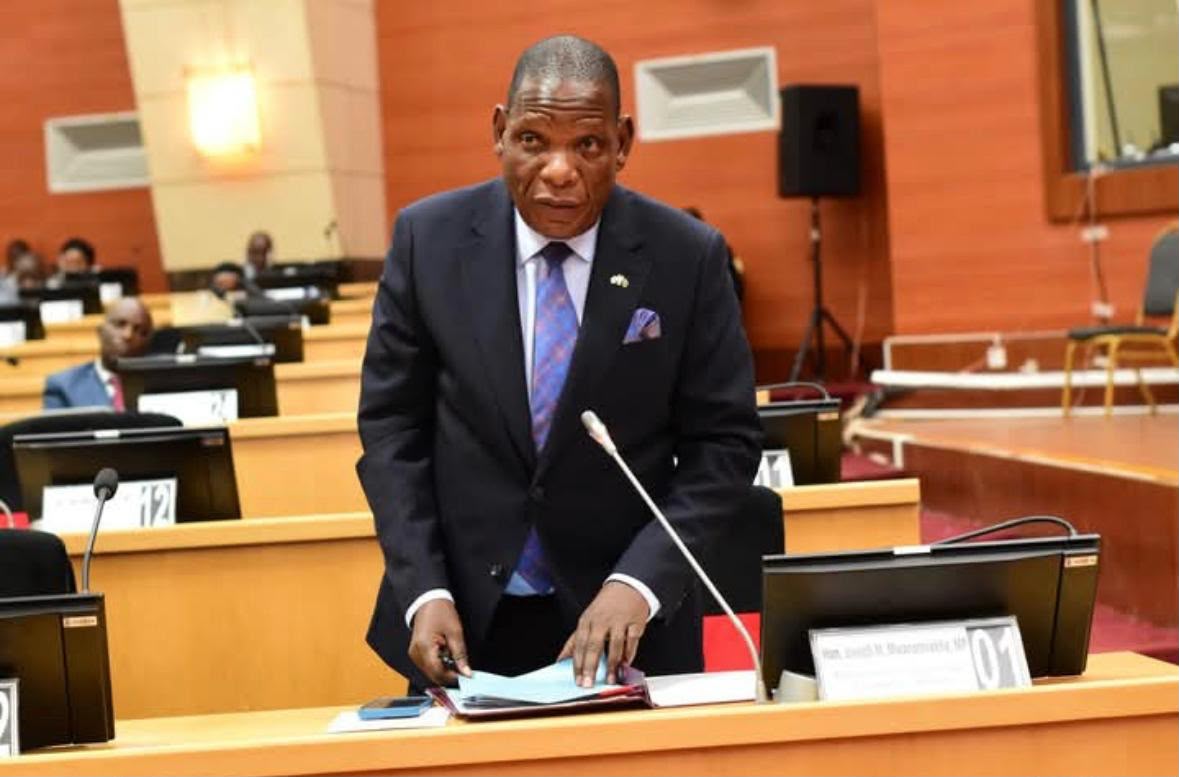
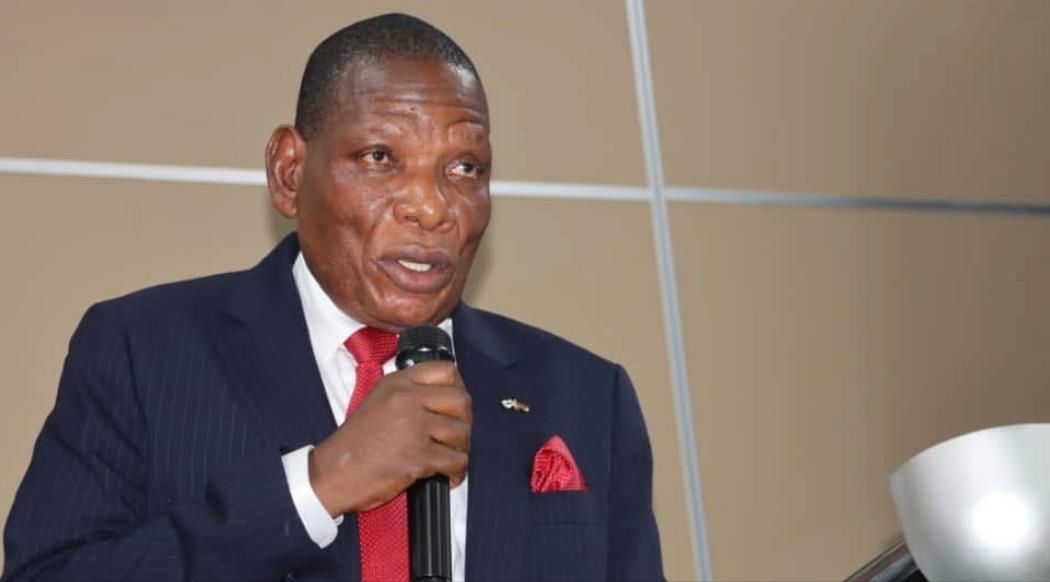
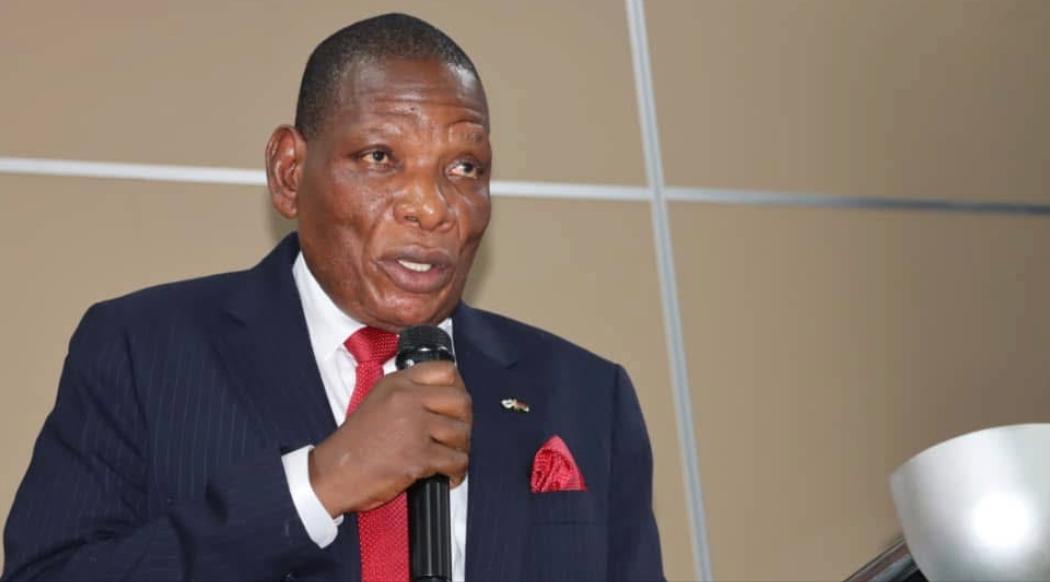
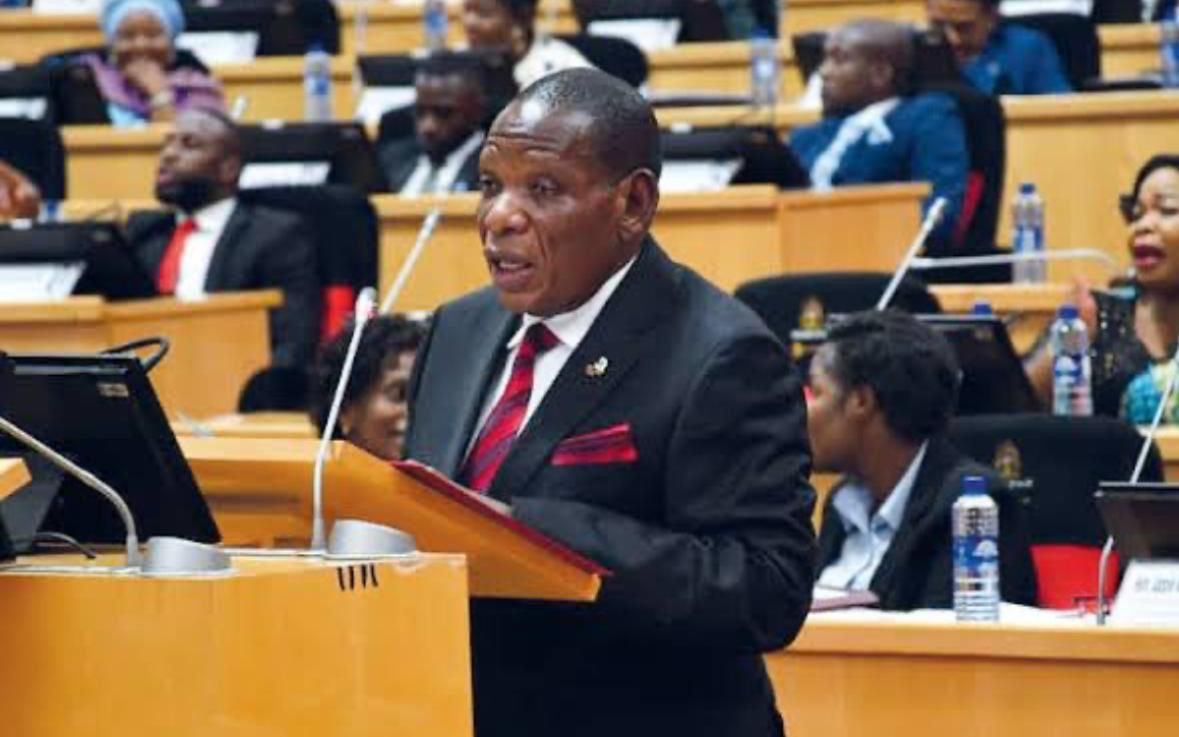
Minister of Finance Joseph Mwanamvekha says the introduction of paying wards in central and district hospitals will help generate resources to improve the quality of healthcare services for all Malawians.
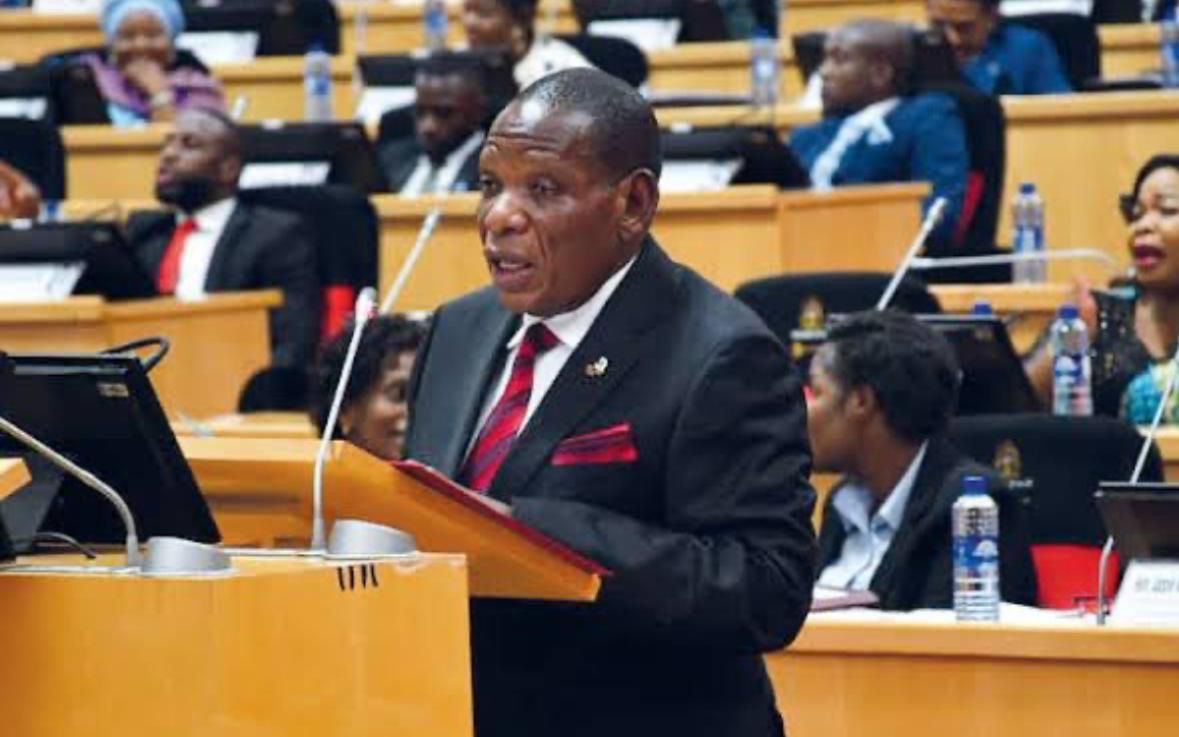
Presenting the 2026/27 national budget on Friday, Mwanamvekha said the government is mobilising additional resources for the health sector to strengthen service delivery, improve access, and advance universal health coverage.
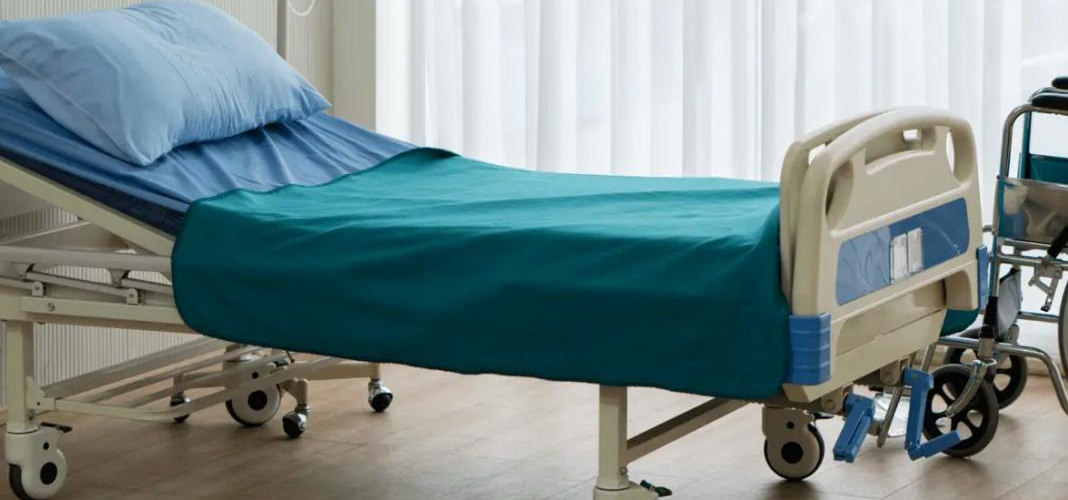
“In this regard, government has introduced paying wards in all central and district hospitals so that those who can afford to pay for healthcare services should do so, thereby subsidising those who are unable to pay,” he said.
A total of MWK1.02 trillion has been allocated to the health sector, representing 9.2 percent of the national budget.
The allocation includes MWK108.3 billion for the procurement of medicines and medical supplies—MWK58.3 billion for central hospitals and MWK50 billion for district hospitals.
Government has also allocated MWK20 billion to the Central Medical Stores Trust (CMST) to clear arrears owed by central and district hospitals.
In addition, MWK65.7 billion has been earmarked for the operations of central hospitals, as well as the procurement and maintenance of medical equipment, while MWK25.3 billion will support district hospital operations.
Mwanamvekha further announced that Malawi has secured US$744 million in financing from the United States government to strengthen health systems and combat tuberculosis (TB), malaria, HIV/AIDS, and other infectious diseases.
He also highlighted a MWK3 billion allocation for the phased establishment of dialysis centres, starting with Mzuzu Central Hospital.
Other allocations include MWK11 billion for blood transfusion services, MWK3 billion for referral cases abroad, MWK1 billion for ambulance procurement, and MWK1 billion for ART co-financing with the Global Fund.
On infrastructure, the government will commence construction of Blantyre and Chikwawa district hospitals with support from development partners.
However, health rights activist Maziko Matemba expressed concern that the health budget remains at 9.2 percent—unchanged from last year and below the 15 percent target set by the African Union.
“It is also saddening that government has been silent on key health financing reforms such as the National Health Fund,” he said.
Despite the concerns, Matemba commended the government for prioritising health worker recruitment, procurement of essential supplies, partial settlement of drug debts, and the introduction of optional paying services to boost facility-level revenue.
He also welcomed the five-year funding commitment from the United States but urged Malawi to strengthen domestic financing to reduce reliance on external support.
“We hope that with the decentralisation policy being championed by government, there will be improved absorption of resources. However, strong accountability measures and active involvement of communities and civil society will be critical to prevent corruption and ensure better health outcomes,” he said.
Malawi Health Equity Network (MHEN) Board Chairperson Yandura Chipeta also commended the government for continuing to prioritise the health sector.
“The health sector ranks second in budget allocation after education, showing government’s commitment to service delivery. A healthy population is key to national development and skills growth,” she said.
On the reduced share of the overall budget, Chipeta cited limited revenue generation and high public debt as key constraints affecting funding for social services, including healthcare.
—
Also Read: No pay-to-play: Mutharika bans illegal fees in public hospital