
By Edwin Mauluka
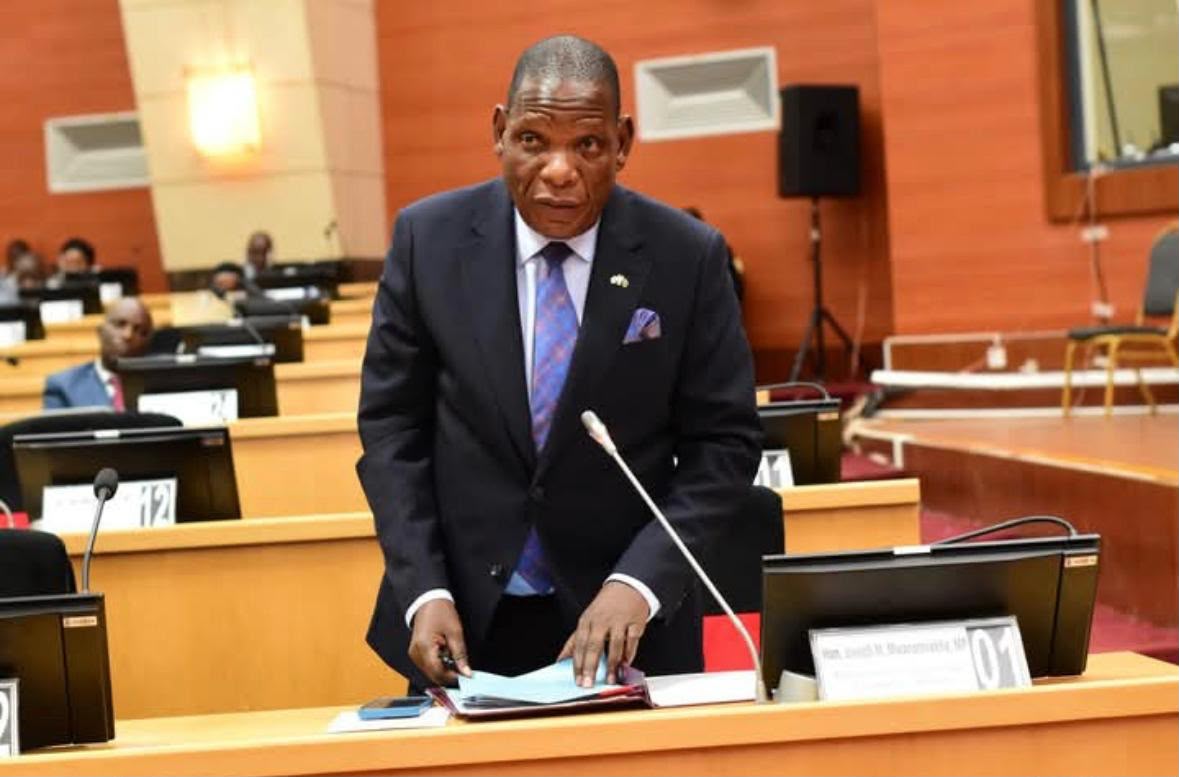
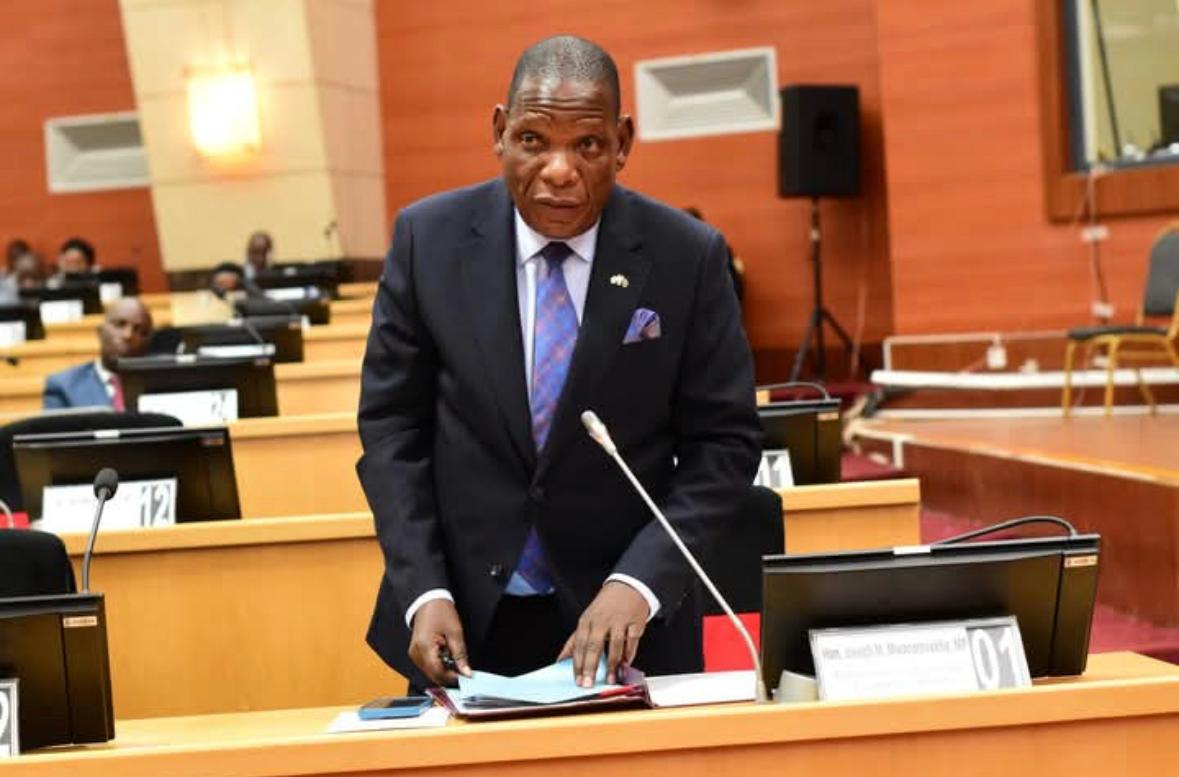
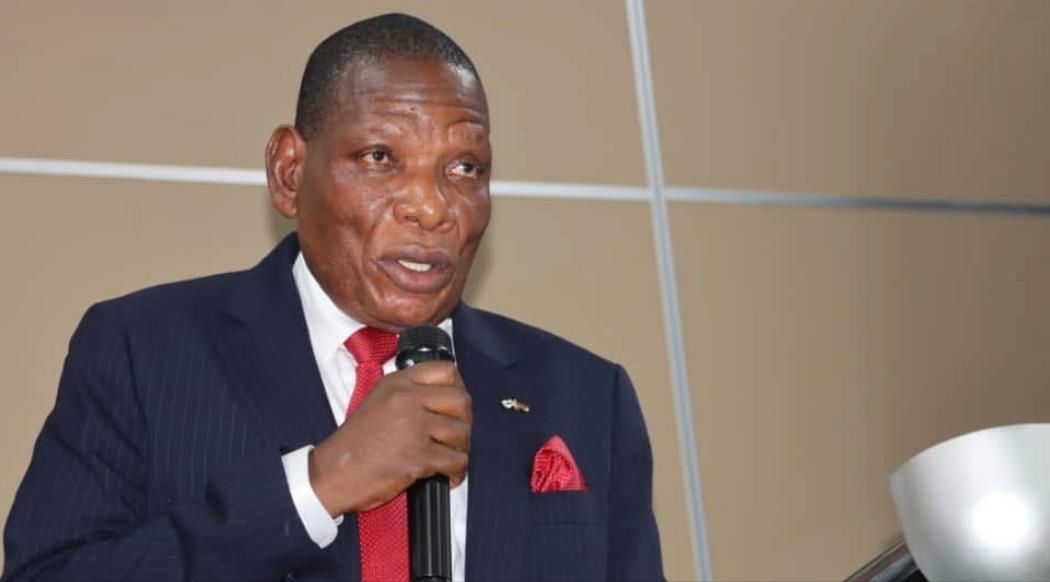
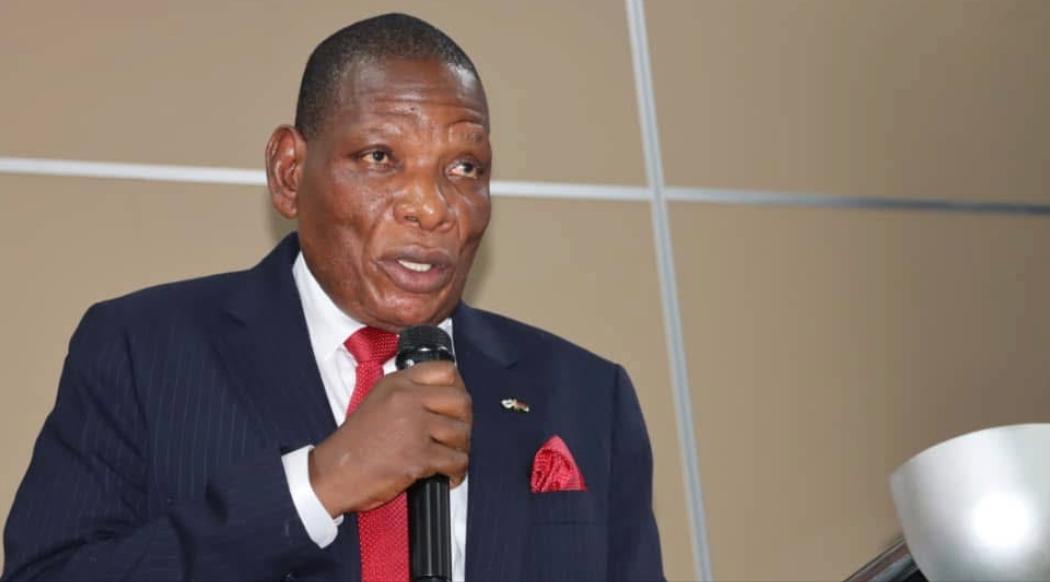
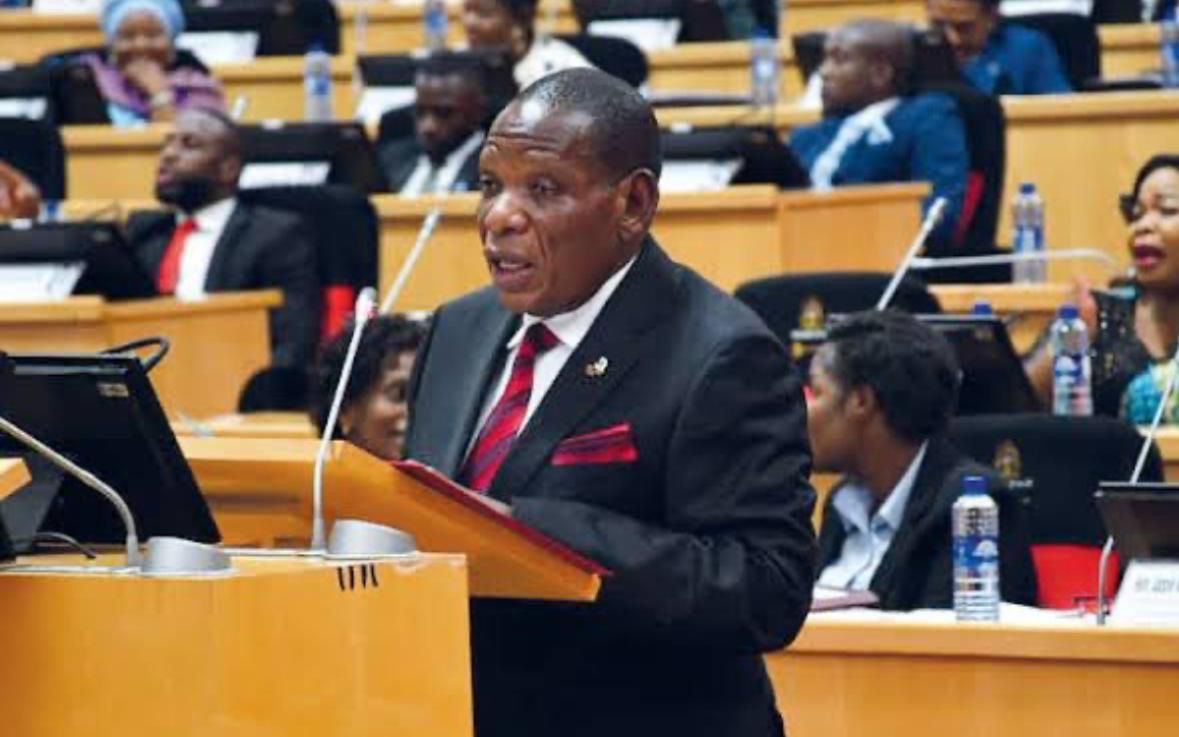
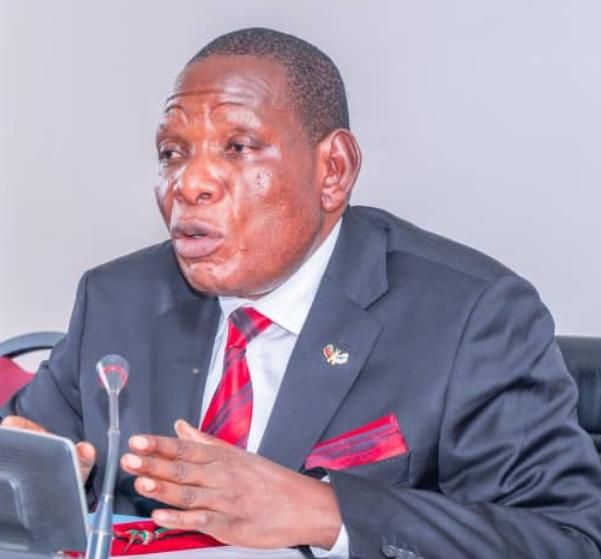
Minister of Finance, Economic Planning and Decentralisation Joseph Mwanamvekha has warned that the 2026–2027 national budget will involve tough and potentially painful decisions as government seeks to revive Malawi’s struggling economy.
Speaking in Lilongwe during national pre-budget consultations, Mwanamvekha said Malawi continues to face severe global, regional and domestic economic headwinds, making difficult policy choices unavoidable.
He cited persistent foreign exchange shortages, high inflation, climate-related shocks, as well as high infrastructure and energy costs as major domestic pressures weighing on economic performance.
“If you don’t make difficult decisions now, which will be felt by almost everybody except the poor people in the village, then you should forget about having a strong economy,” Mwanamvekha said. “Tough decisions have to be made, and they will be made. I will need your support.
”He noted that the prevailing challenges have slowed growth, with real GDP growth revised slightly downward to 2.7 percent in November 2025 from an earlier projection of 2.8 percent. Inflation, he added, remains elevated, driven largely by shortages of food, foreign exchange and fuel.
Despite the challenges, Mwanamvekha said the medium-term outlook remains cautiously optimistic. GDP growth is projected to rise to 3.8 percent in 2026 and 4.9 percent in 2027, supported by targeted investments and policy reforms under the National Economic Recovery Plan. Inflation is projected to decline from 28.5 percent to 20.7 percent in 2026, although improvements in key productive sectors are expected to be gradual.
The minister also highlighted mounting pressure on the national budget from statutory expenditures, including wages and salaries, interest payments and pension obligations, which he said consume about 90 percent of domestic revenue in the current fiscal year.
“These statutory obligations eat up 90 percent of our revenue, leaving only 10 percent,” he said.
He added that social responsibilities further strain the budget, as government must provide essential medicines, quality education, affordable farm inputs and funding for critical development initiatives, including clearing arrears accumulated over the past five years, which he described as “quite huge”.
To address the challenges, Mwanamvekha said government is implementing reforms anchored on the National Economic Recovery Plan, focusing on revenue-enhancing measures, expenditure controls, and debt management.
“Government has already announced and begun implementing a range of revenue-enhancing and expenditure control measures,” he said.
He further disclosed that government intends to reprofile its domestic debt as part of a broader strategy to restore debt sustainability and create fiscal space, while safeguarding financial sector stability and avoiding harm to investors and the Treasury.
The 2026–2027 budget, Mwanamvekha said, will be anchored on the Malawi 2063 First 10-Year Implementation Plan (MIP-1) and the National Economic Recovery Plan, with continued prioritisation of economic stabilisation and investment in agriculture, tourism, mining and manufacturing.
He said the consultations reflect government’s commitment to inclusive, transparent and participatory public finance management.
Executive Director of the Economics Association of Malawi, Bertha Bangala Chikadza, said the economy faces serious challenges and called for stronger revenue collection, scaling back the Farm Input Subsidy Programme, and broadening the tax base.
Similarly, Malawi Economic Justice Network (MEJN) Executive Director Bertha Phiri urged government to strengthen fiscal transparency and prioritise sectors such as mining, education and commercial agriculture to support sustainable growth.
Earlier, Secretary to the Treasury Cliff Chiunda said government welcomes constructive proposals in shaping the budget, noting that Malawi continues to face macroeconomic imbalances from both internal and external shocks.
“All public submissions are vital to ensure the budget is not only technically sound but also responsive to the needs of our people,” Chiunda said.
Pre-budget consultation meetings for the 2026–2027 fiscal year are scheduled to continue on Monday in Mzuzu and on Wednesday in Blantyre.
—
Also Read: Malawi reveals recovery plan to stabilize economy and boost growth
Related: Malawi budget revision pushes expenditure to K8.589 trillion as deficit widens
Related: All hands on deck: Rebuilding Malawi’s broken economy