
Minister says one-off costs drove the deficit spike but expects it to narrow, ceteris paribus.
By Edwin Mauluka
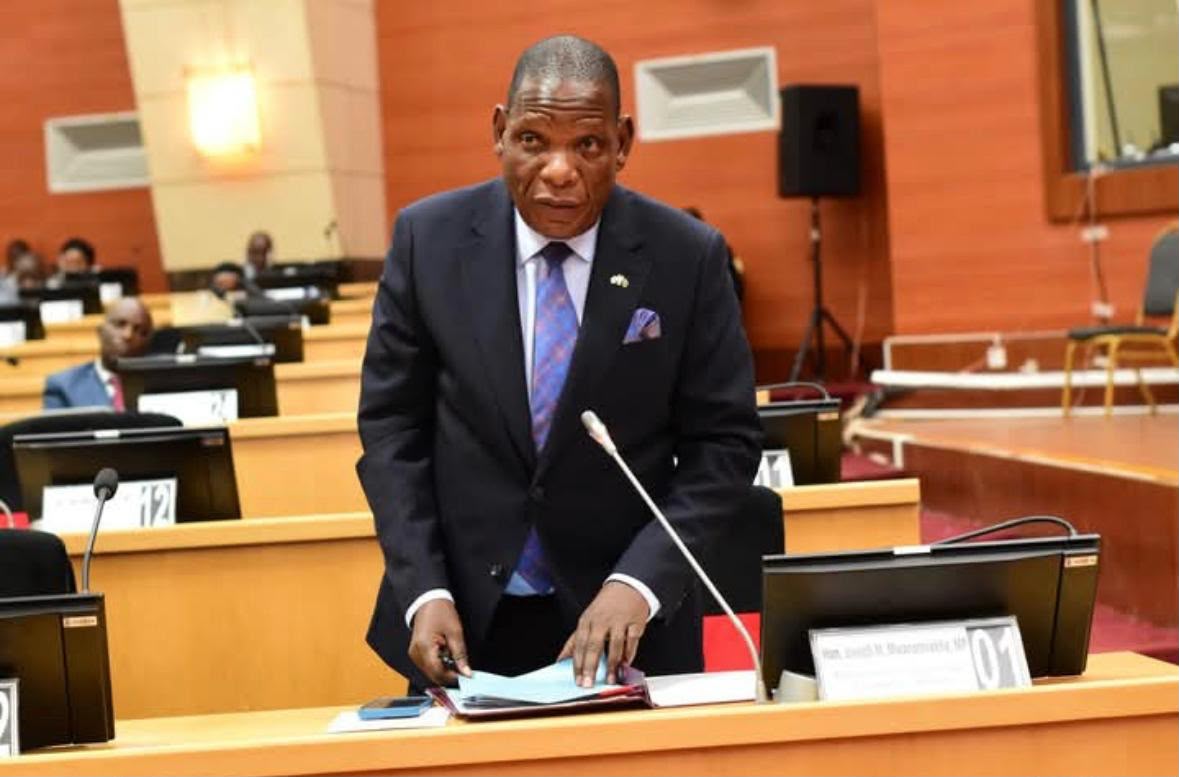
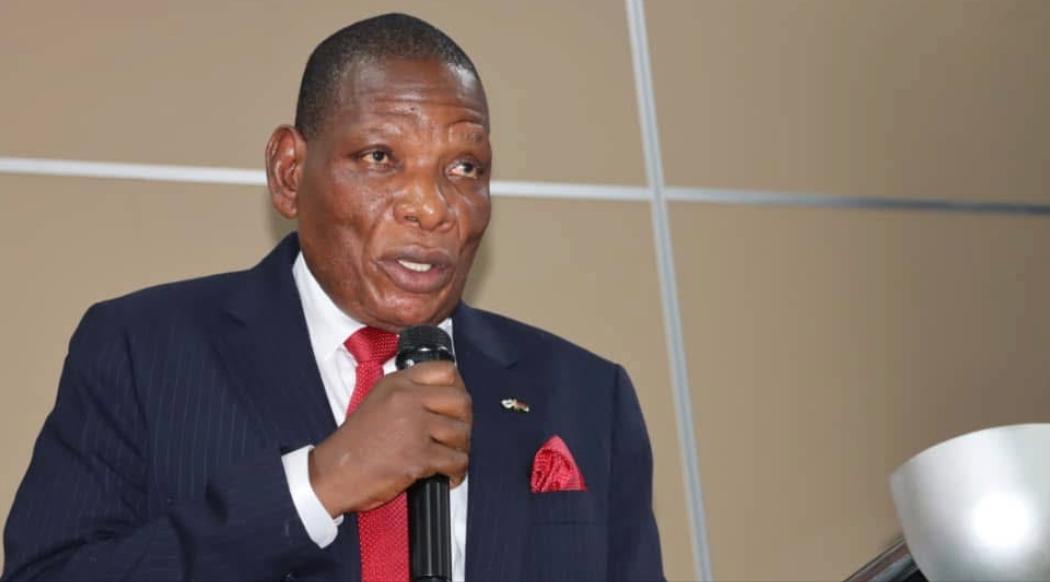
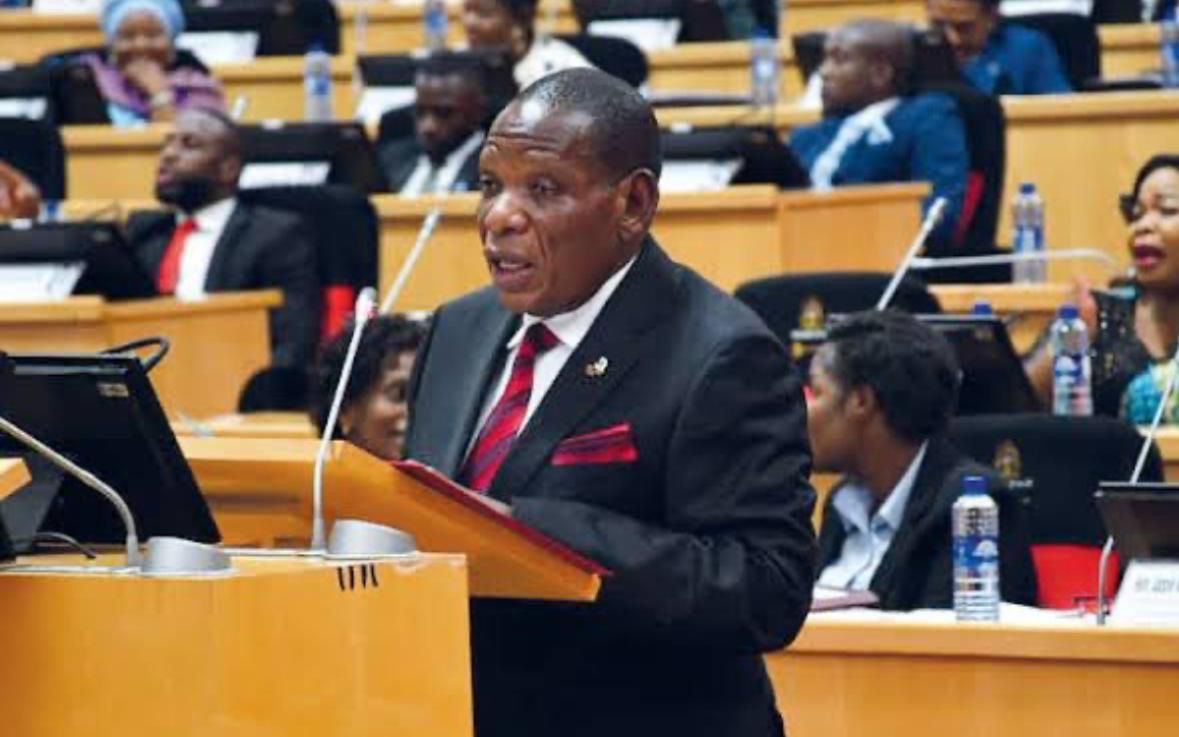
Malawi’s national expenditure has been revised upward by K512.6 billion, increasing the 2025/26 budget from K8.077 trillion to K8.589 trillion, Finance Minister Joseph Mwanamvekha told Parliament on Friday.
Mwanamvekha said the adjustment was necessary to accommodate rising budgetary pressures, which include:
- K98.5 billion for wages and salaries
- K100 billion for public debt interest
- K20.5 billion for goods and services
- K17.1 billion for drug procurement
- K50 billion for elections
- K20 billion for maize purchase logistics
- K196 billion for pensions and gratuities
- K129.6 billion for the Farm Input Programme (FISP)
Additionally, K91.7 billion has been allocated to key projects, including the Constituency Development Fund (CDF) for 36 new constituencies, the rollout of free primary and secondary education, and examination fees for learners completing their studies.
Presenting the mid-year estimates to March 2026, Mwanamvekha said total revenue and grants for the second half of the financial year are projected at K3.078 trillion.
Domestic revenue includes K2.323 trillion from taxes and K97.3 billion from non-tax sources.
“The projected revenue for the second half is higher than the K2.383 trillion collected in the first half due to new revenue measures and improved partner disbursements,” he said.
Total expenditure for the second half is projected at K4.169 trillion, broken down as:
- K3.161 trillion recurrent expenditure
- K1.008 trillion development expenditure
Recurrent spending includes:
- K871.6 billion for compensation of employees
- K1.260 trillion for public debt interest
- K385.4 billion for goods and services
- K247.2 billion in grants
- K388.5 billion in social benefits
- K8.1 billion for other expenses
Development expenditure comprises K772.6 billion for foreign-financed projects and K235.7 billion for domestically financed projects.
The fiscal deficit for the second half is projected at K1.091 trillion, to be financed through K107.1 billion in foreign borrowing and K984.3 billion in domestic borrowing.
This brings the total projected deficit for the financial year to K3.128 trillion, up from the approved K2.498 trillion, a widening of K630.2 billion, or 25.2%.
Mwanamvekha attributed the increase to higher-than-anticipated spending in the second half.
“It must be noted that some of these expenditures are one-off payments such as clearing pension arrears, election-related costs, and maize purchases,” he said. “Going forward, and ceteris paribus (all things being equal), the deficit is expected to decline.”