By Edwin Mauluka
Parliament has approved two loan authorization bills aimed at completing rehabilitation works on the M1 Road and upgrading water supply infrastructure at Jenda.
The approvals empower the Minister of Finance to borrow €38 million ($43.7 million) from the European Investment Bank (EIB) for the M1 Road Rehabilitation II C Project, and $27 million from the OPEC Fund for International Development for the Jenda Water Supply and Sanitation Project.
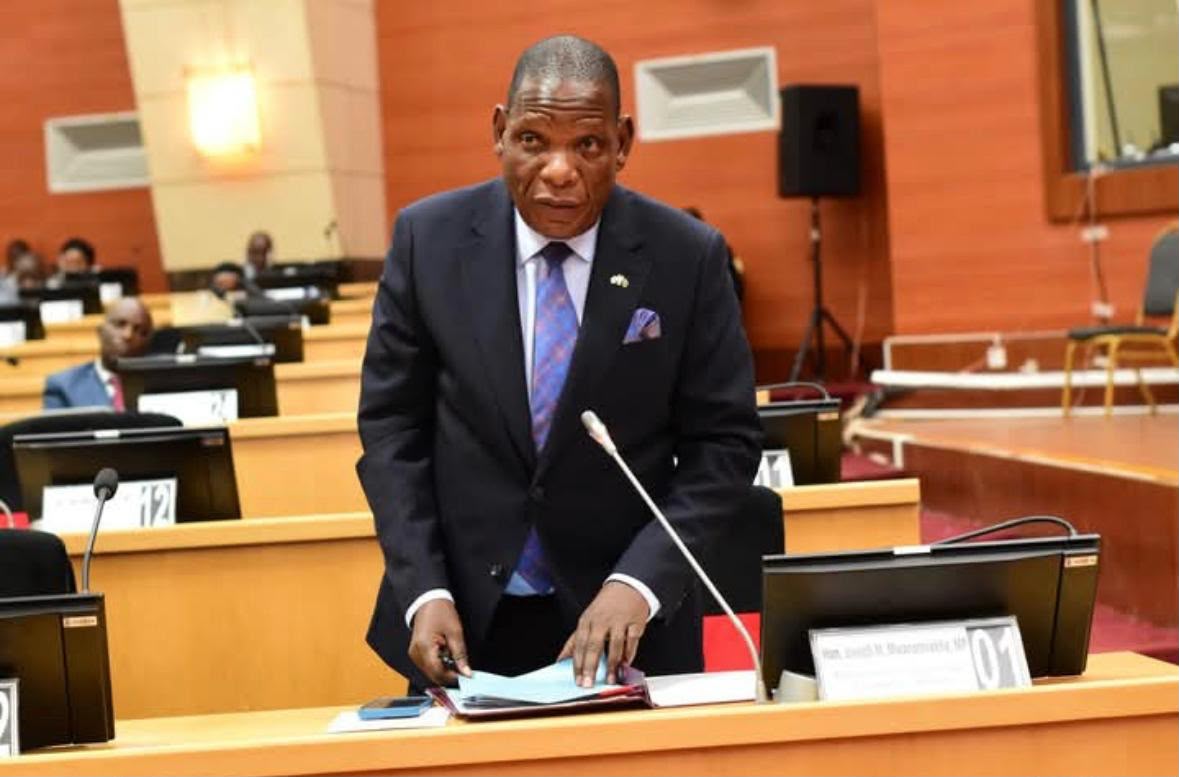
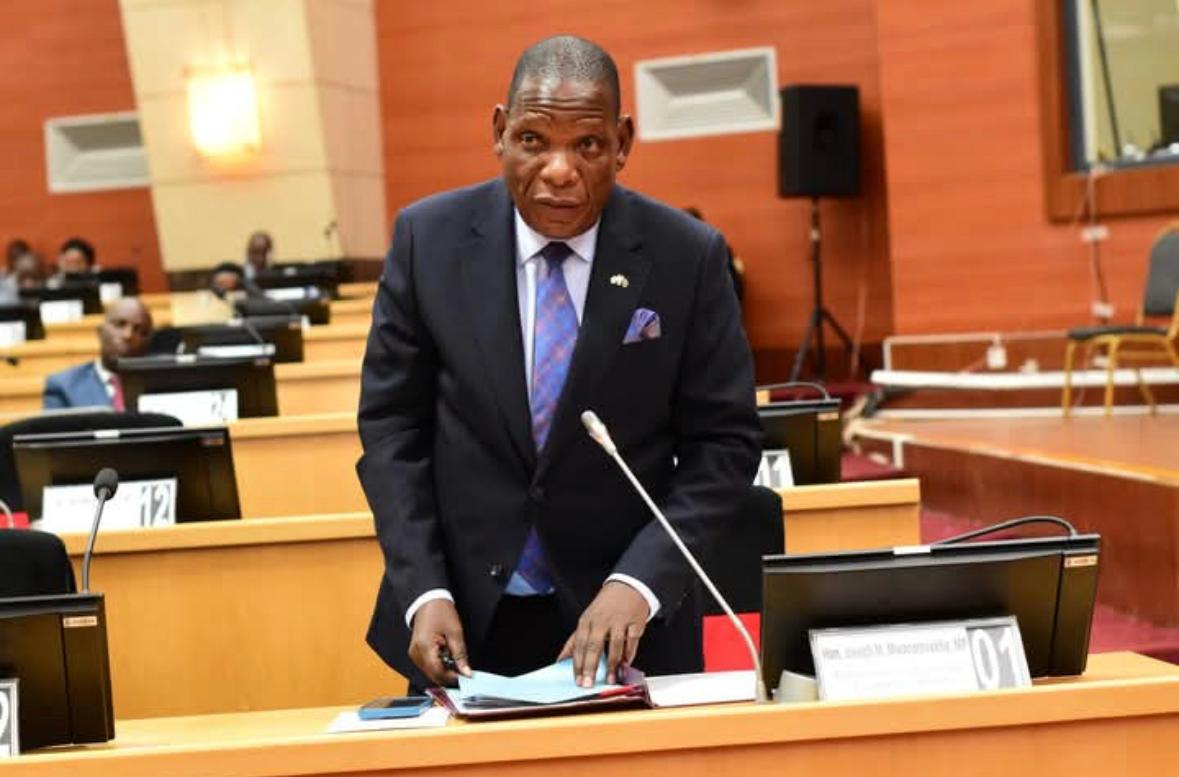
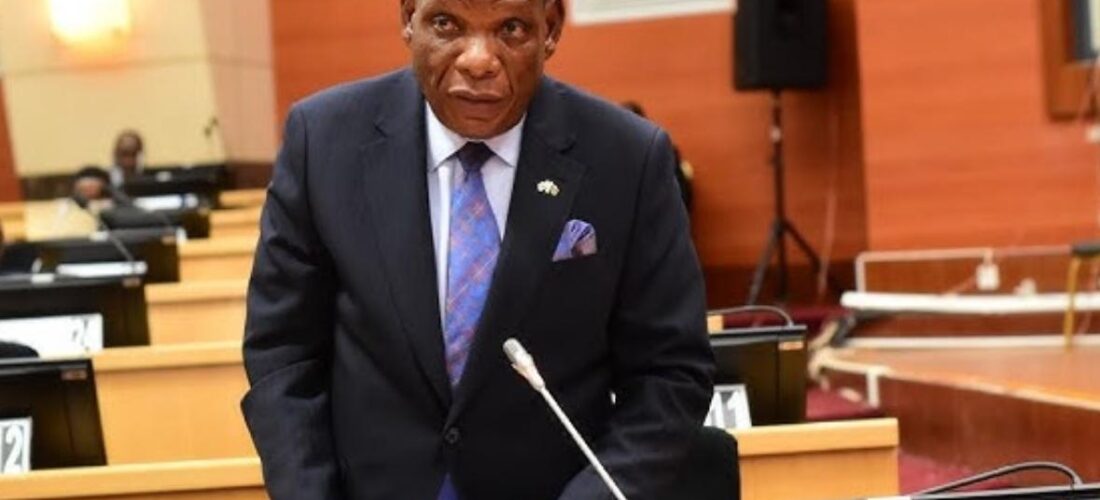
Finance Minister Joseph Mwanamvekha told Parliament that the EIB-funded project will support the completion of rehabilitation works along 347 kilometres of the M1, particularly across key northern corridor sections:
- Karonga–Songwe (46 km)
- Kacheche–Chiweta (66.5 km)
- Jenda–Mzimba (46.5 km)
- Kasungu–Jenda (85.5 km)
- Kamuzu International Airport–Kasungu (102 km)
“The northern corridor is very important for the transportation of goods and services to and from Malawi,” Mwanamvekha said, noting that poor road conditions have long affected livelihoods and economic development in the region.
He explained that Malawi negotiated a €58 million financing package with the EIB, comprising a €38 million loan and a €20 million grant from the European Union. The loan is concessional, with a five-year grace period, a 20-year repayment period from each disbursement, and a 4% fixed interest rate effective July 2025.
Presenting Bill No. 26 on the OPEC-funded Jenda Water Supply and Sanitation Project, the minister said the investment will include construction of a new water supply system with production capacity of 4,826 m³ per day, installation of 5,000 water meters, and procurement of materials for water connections and laboratory equipment.
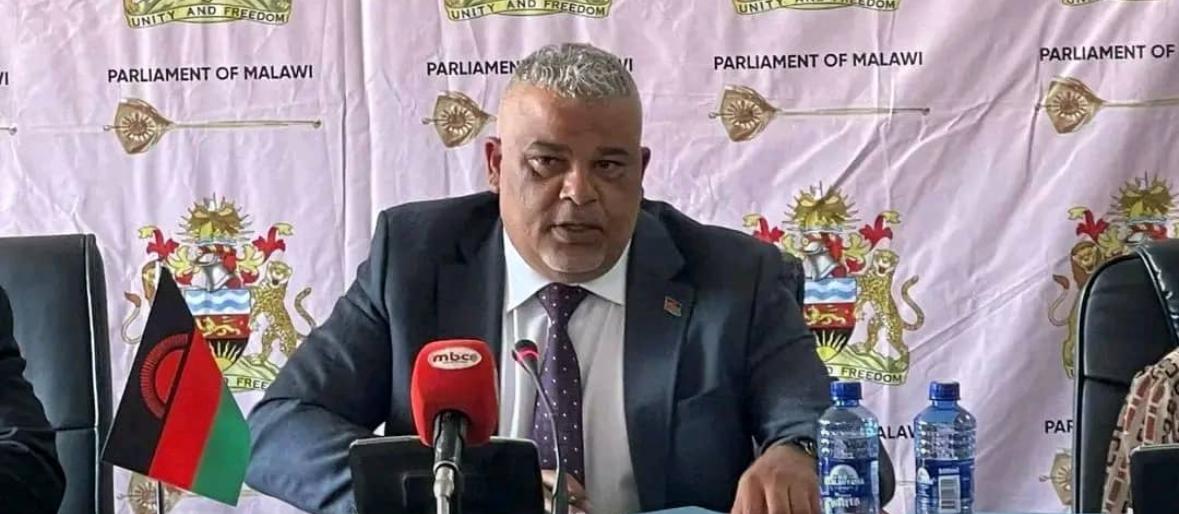
During debate, the opposition Malawi Congress Party (MCP) spokesperson Peter Dimba endorsed the M1 financing bill, saying the party supports it “wholeheartedly.”
“It is gratifying to note the tremendous progress made over the past two to three years. This road used to be a death trap, and it is pleasing to see it finally taking shape,” Dimba said.
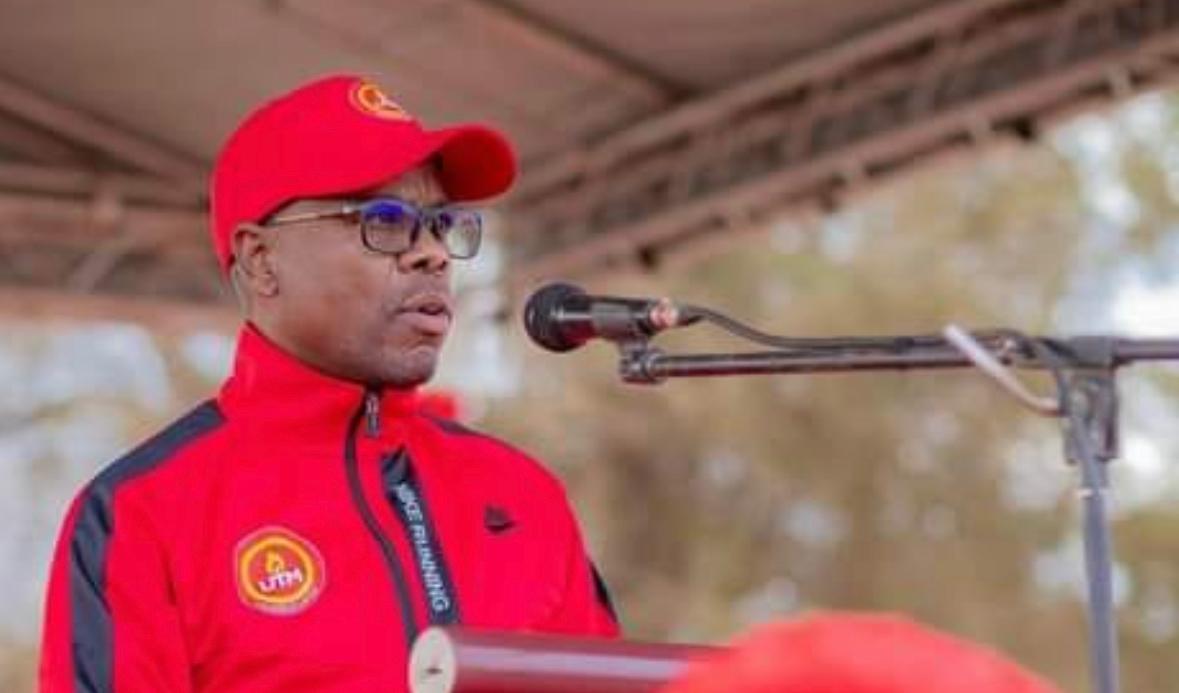
Opposition UTM spokesperson Felix Njawala also supported the bill but emphasized the need for responsible borrowing and stronger project oversight.
“As we consider this bill, it is important to highlight the broader economic benefits expected from the project,” he said, adding that while UTM supports investments with positive returns, the government had previously borrowed over MWK 17 trillion with little to show for it.
“That is unacceptable,” Njawala said, urging the minister to strengthen oversight and provide timely progress reports to Parliament to ensure value for money.