
OPINION | GUEST ESSAY | Bertrand Banda
When Speaker of Parliament Sameer Suleman directed the Leader of Opposition, Simplex Chithyola Banda, to produce evidence that the government had agreed with the International Monetary Fund (IMF) to halt youth recruitment, I didn’t expect the evidence to come from the State House itself.
But that’s exactly what happened. On November 6, the very day Chithyola was supposed to table his proof, a circular from Chief Secretary Justin Saidi confirmed a government-wide hiring freeze. It didn’t explicitly mention youth, but the implication was hard to miss.
“Recruitments have been suspended, including non-established posts, until further notice,” the circular read. “On a case-by-case basis, recruitment in essential and critical government services will be considered.”
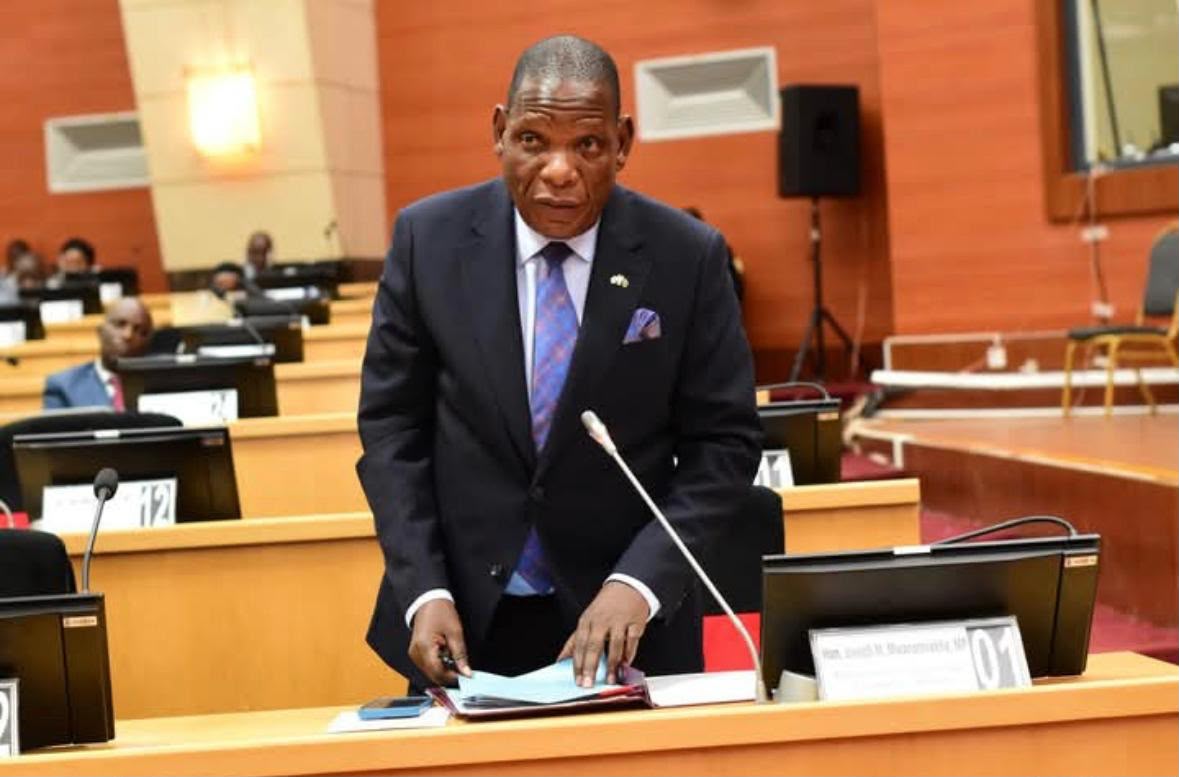
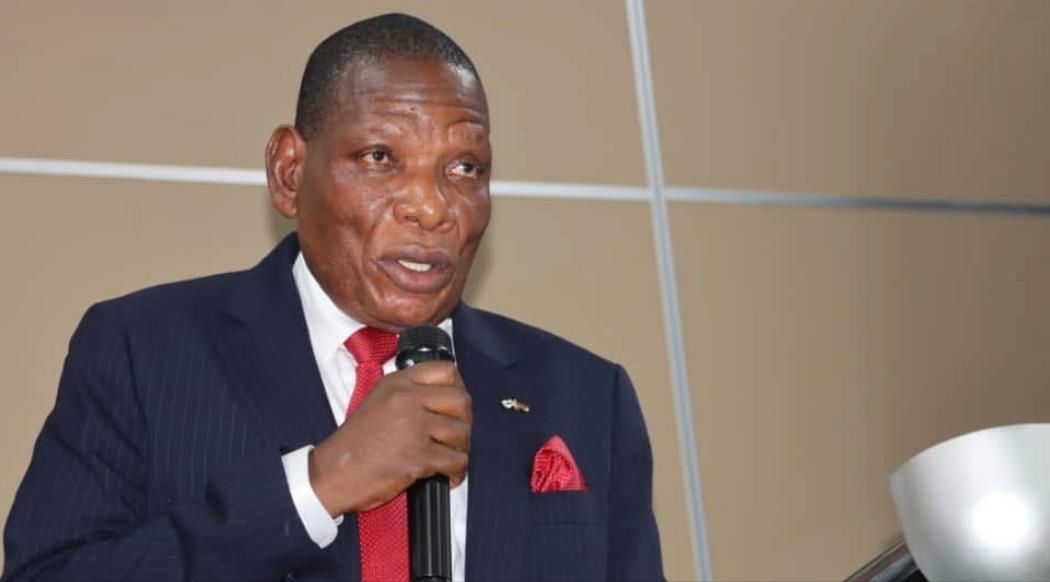
It was, in essence, the very thing Chithyola had said the finance minister agreed to under the IMF Extended Credit Facility. Yet, just days earlier, Finance Minister Joseph Mwanamvekha had stood in Parliament, fiery and indignant, declaring that President Peter Mutharika’s government would “never do anything that harms Malawians.”
The irony didn’t need a headline. It wrote itself.
That same State House memo went on to announce sweeping austerity measures: a moratorium on vehicle purchases, virtual meetings to cut travel costs, a 30 percent fuel reduction for ministers and senior officials, and even a downsizing of embassies: no more than five staff per mission, including the ambassador.
“I don’t want to believe Mwanamvekha truly had no idea what Chithyola was referring to when he suggested it was a bold-faced lie. But if he did, that’s even more worrying.”
Now, I don’t want to believe Mwanamvekha truly had no idea what Chithyola was referring to when he suggested it was a bold-faced lie. But if he did, that’s even more worrying. Because I remember what Malawi Congress Party spokesperson Jessie Kabwila once said when then-President Lazarus Chakwera was caught exaggerating his administration’s achievements.
In what sounded like a candid conference pep talk to party loyalists, she said that in politics, facts don’t matter, perception does.
And that’s the trouble with politics: truth becomes optional, and perception becomes policy. Politicians bend facts until they break, then blame the truth for not being flexible enough. They lie, they exaggerate and they spin and yet they expect us to believe that, somehow, they mean well.
If Mwanamvekha wants people like me to believe the president’s promises, he has to respond more artfully. As the new finance minister, replying to a man who once sat in his chair, he should have known better than to swing blind. Something as simple as, “Let me look into that and get back to you,” would have saved him from being contradicted by his own government’s memo.
Instead, he chose defiance and the State House made him look like a man arguing against his own brief.
This isn’t Mwanamvekha’s first time in the spotlight. You’d expect a bit more craft, maybe even humility. Because in politics, every word counts, and sometimes silence is the smartest line in the script. When leaders trip over their own talking points, it’s not just their credibility that falls. Public trust shatters right beside it.