President Peter Mutharika was right to cancel costly Independence Day celebrations in favour of economic recovery. But symbolic austerity will mean little unless it is matched by an uncompromising fight against corruption that continues to drain Malawi’s public finances.
EDITORIAL | The Forum
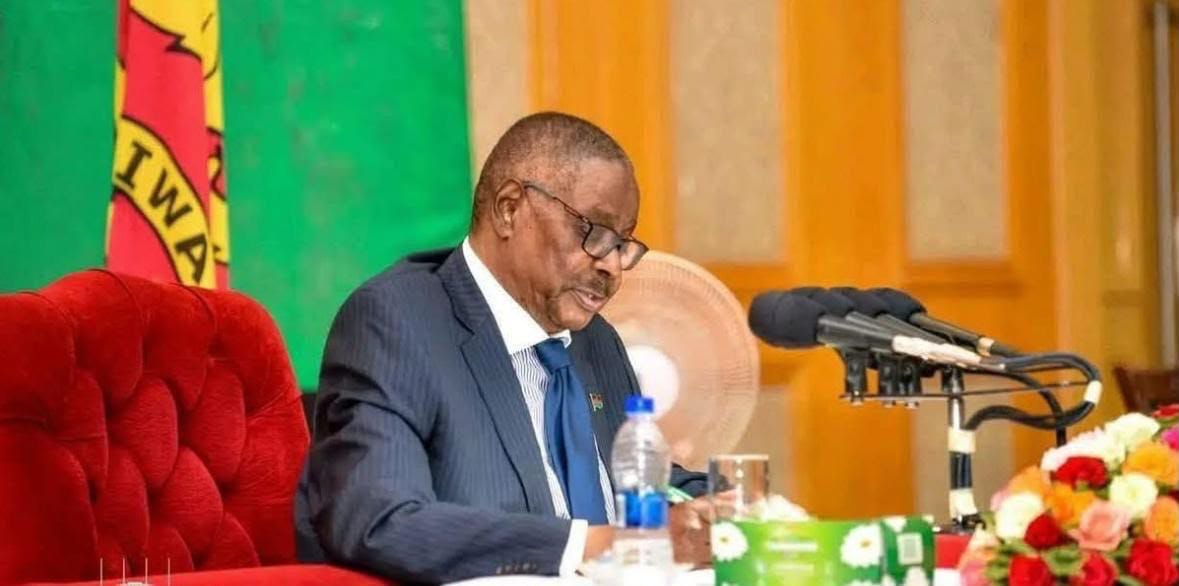
By pausing official Independence Day celebrations, President Peter Mutharika made a difficult but defensible decision.
Malawi marked 62 years of independence on July 6 with little fanfare after the President ordered that funds earmarked for national celebrations be redirected towards economic recovery. In a country grappling with severe fiscal pressures, that was a signal that government spending must reflect national priorities rather than ceremony.
Not everyone agreed.
Historian Chrispin Mphande of Mzuzu University argued that cancelling the celebrations risks diminishing the significance of Malawi’s struggle for freedom, particularly for younger generations. Governance expert George Chaima similarly contended that fiscal discipline need not come at the expense of commemoration, suggesting that a scaled-down event could have achieved both objectives.
Those concerns deserve consideration. Independence is more than a date on the calendar; it is a reminder of the sacrifices that secured Malawi’s sovereignty.
But critics miss an important distinction.
The cancellation was not a permanent abandonment of Independence Day. It was an acknowledgement that extraordinary economic circumstances require difficult choices. At a time when the government faces competing demands for scarce resources, spending millions on parades and festivities would have been difficult to justify.
Symbolism matters, but so does fiscal credibility.
In his Independence Day message, Mutharika described economic independence as Malawi’s “next frontier”, urging citizens to work together to build a nation with broadly shared prosperity.
“I am confident that working together, we will achieve our dream of making Malawi an economically independent country, with equitably shared wealth.”
He also argued that despite global political and economic headwinds, the country was laying the foundations for investment, job creation and long-term growth.
Few would disagree with that ambition.
The greater challenge lies in ensuring that public resources intended to drive that vision are not diverted through corruption.
Malawi has heard repeated assurances from successive administrations that corruption will not be tolerated. Yet grand corruption continues to undermine public confidence, weaken institutions and deprive citizens of resources needed for healthcare, education, infrastructure and economic development.
If the government is serious about achieving economic independence, fiscal restraint must be matched by relentless accountability.
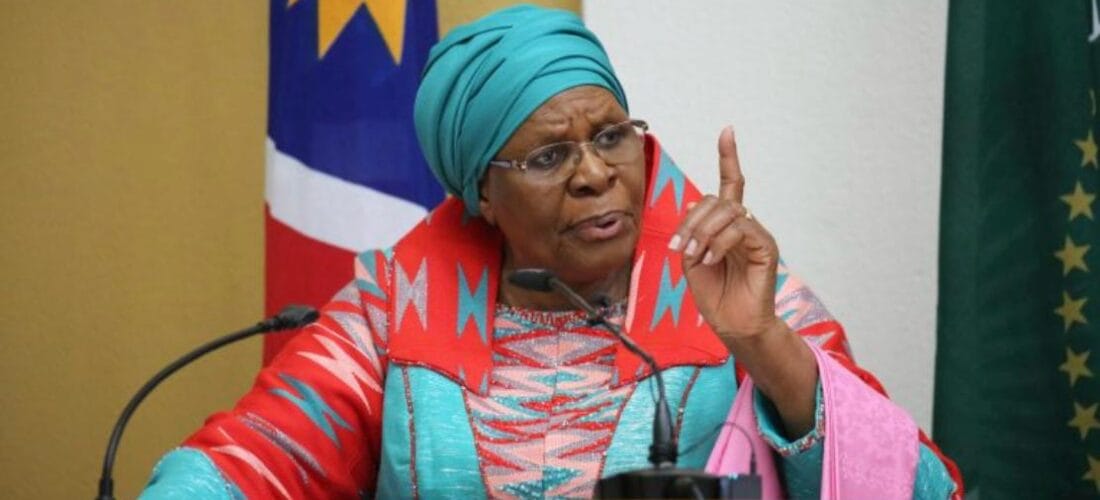
Namibia offers an instructive example.
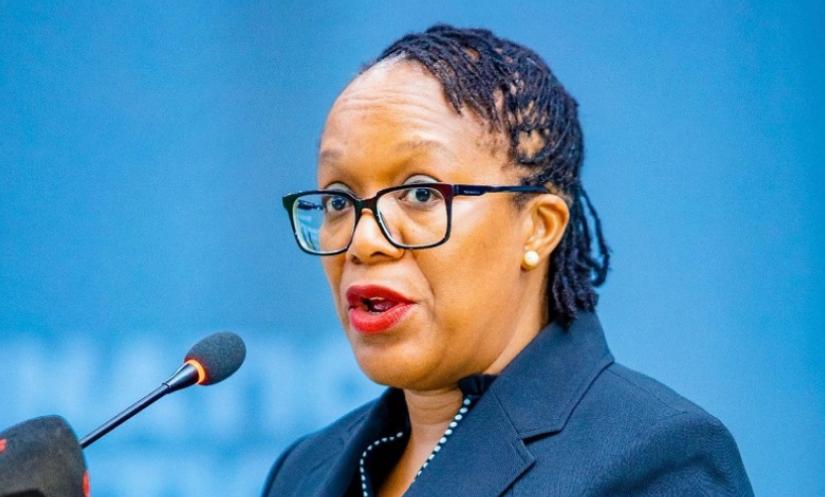
President Netumbo Nandi-Ndaitwah has repeatedly argued that corruption should be treated as an act akin to treason because the theft of public resources robs citizens of development, threatens national stability and erodes trust in government. While such a proposal raises legitimate legal and constitutional questions, the underlying message is clear: corruption is not merely a financial crime but an assault on a nation’s future.
That stance is notable because Namibia already performs significantly better than Malawi on Transparency International’s Corruption Perceptions Index. Namibia scored 46 out of 100 in the latest rankings, placing 65th globally, while Malawi scored 34 out of 100, ranking 109th. If a country performing relatively well believes stronger action is necessary, Malawi has even greater reason to intensify its anti-corruption efforts.
Cancelling a national celebration may save money for a day. Confronting corruption would save the nation for generations.
The real measure of this administration will not be whether it cancelled Independence Day festivities. It will be whether it demonstrates the same resolve in confronting those who siphon public resources and hold back Malawi’s economic future.
Because economic independence cannot be achieved through austerity alone. It requires integrity, accountability and the political will to ensure that every public kwacha serves the people rather than the corrupt.
—
In photo above, Namibian President Netumbo Nandi-Ndaitwah
Also Read: President-Elect Mutharika vows crackdown on Malawi’s corruption network
Related: No sacred cows: Mutharika warns new deputy ministers against corruption