COMMENTARY | The Forum
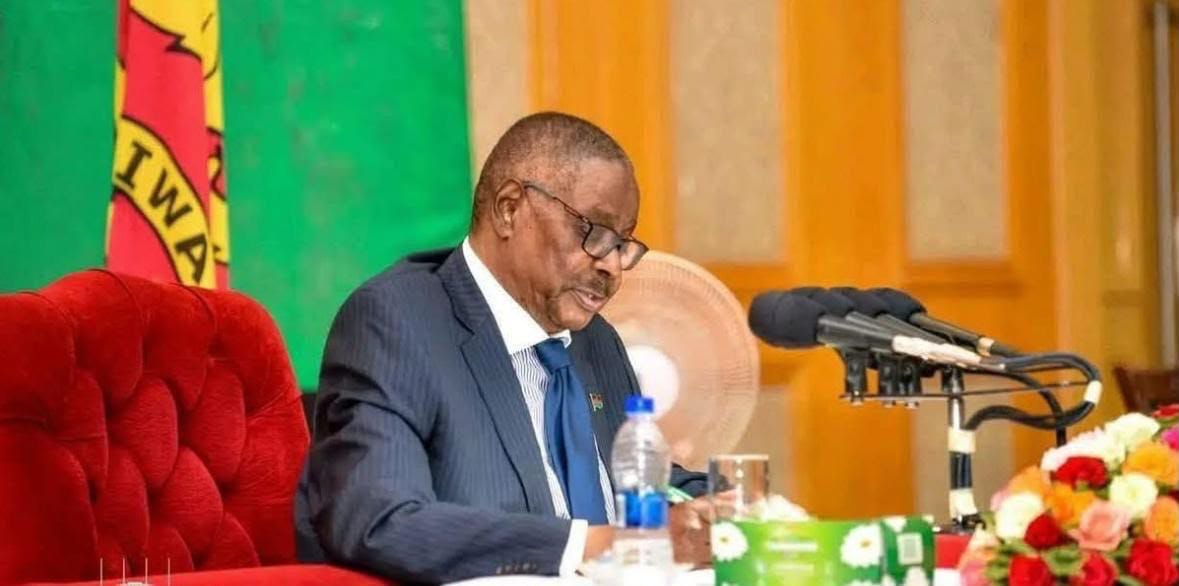
Yes, we understand you are a man of law and would never endorse lawlessness, Mr President. Your statement condemning the killings linked to allegations of disappearing private parts was expected and necessary. But the real question remains: is the state throwing everything it has at this problem?
Forgive the emotion, but this issue demands it.
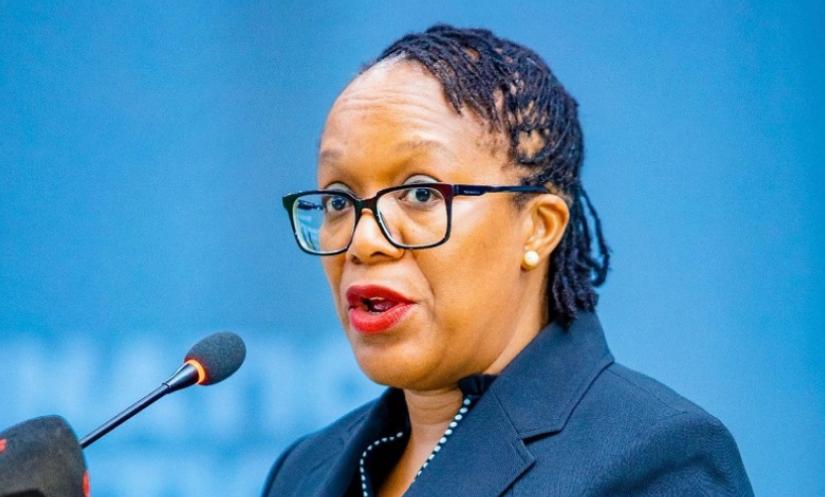
At least seven people have reportedly been killed following accusations tied to claims that people’s private parts had mysteriously disappeared. In response, you directed law enforcement agencies to restore order and bring perpetrators to justice, according to a statement released by your press secretary, Cathy Maulidi.
That is all well and good. But Malawians need more than words.
This issue goes beyond superstition, rumours or even politics. It speaks to something deeper: how we relate to one another as a society, and how fragile the rule of law has become.
People are dying over claims that are false, irrational and unsupported by evidence. Yet rumours continue to spread, mobs continue to form, and lives continue to be lost. That alone should alarm every serious leader in this country.
False rumours do not sustain themselves. They spread because there is fear, mistrust and, somewhere along the line, benefit for those fuelling them.
Mr President, you spent much of your life outside Malawi. Surely there are lessons from elsewhere that can help guide the country through moments like this. Your years in Tanzania, particularly during the era shaped by Julius Nyerere’s nation-building philosophy, must have shown you the importance of social cohesion — the idea that citizens should see more that unites them than divides them.
Every society has beliefs and traditions. Asia, Latin America and Africa all have cultural practices outsiders may not fully understand. Respecting tradition is important. But tradition cannot become an excuse for violence, mob justice and the collapse of reason.
Malawi must confront this problem honestly.
Someone may genuinely believe they have lost their private parts. But belief alone cannot justify murder. Cultural fears cannot override the rule of law.
And this is where the bigger concern lies.
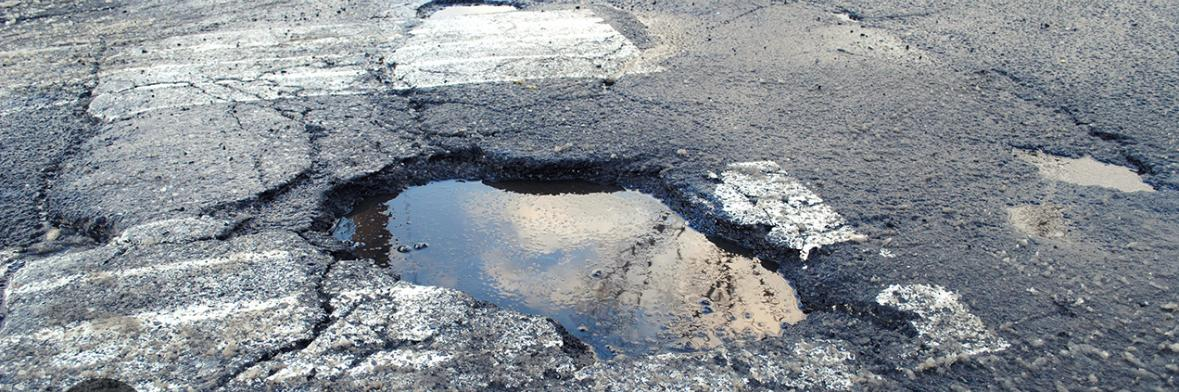
Across Malawi today, there is a growing sense that laws are selectively enforced or simply ignored. Public infrastructure is vandalised and nobody is held accountable. Crimes are committed in broad daylight, sometimes in the presence of law enforcement officers who appear unwilling — or unable — to act.
Why?
Either some officers are compromised, or many simply no longer believe the system will support them if they intervene. After all, why risk your life enforcing the law when disorder increasingly appears normalised?
Right now, Malawians are hearing the government bark. They need to see the government bite.
What is happening in Nsanje is not an isolated incident. It is a microcosm of Malawi’s wider governance crisis, a test of whether the state still has the authority, credibility and resolve to protect its citizens.
The way Malawi is governed today will shape the kind of country it becomes tomorrow.
If the dream is to build “a new Singapore”, then that ambition requires decisive leadership, consistent law enforcement and a state that acts before fear turns deadly.
Malawi deserves better governance because better governance produces better outcomes. Saving face for the sake of political correctness will not save the nation. The nation, after all, is bigger than all of us, Mr President.
—
Also Read: Malawi doctor shot dead at home, killing sparks national security outcry
Related: A nation that can’t protect its people can’t prosper