By Edwin Mauluka
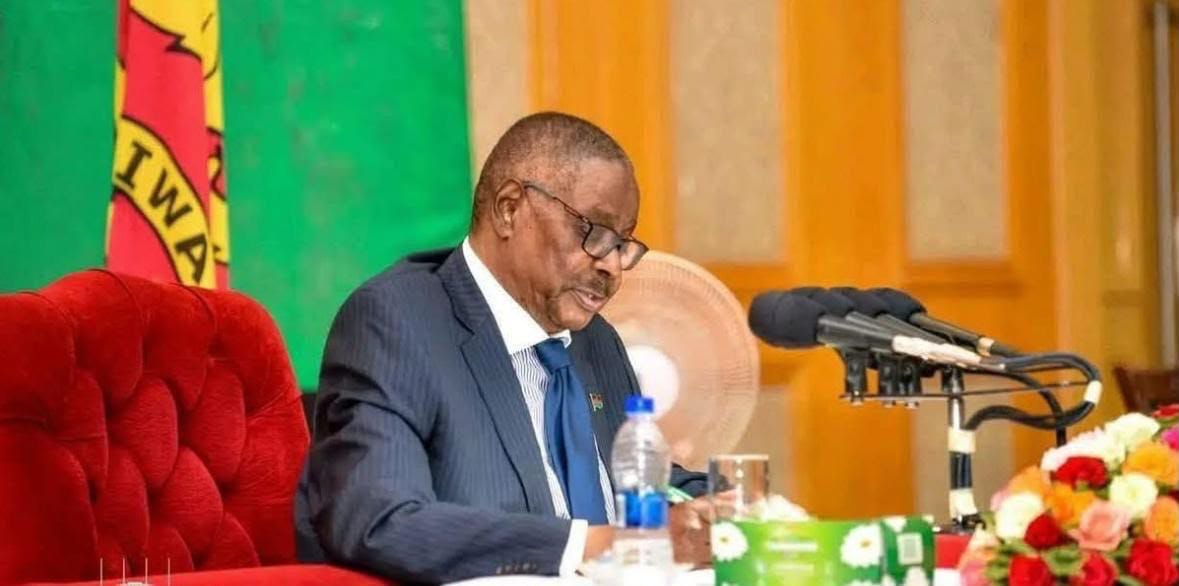
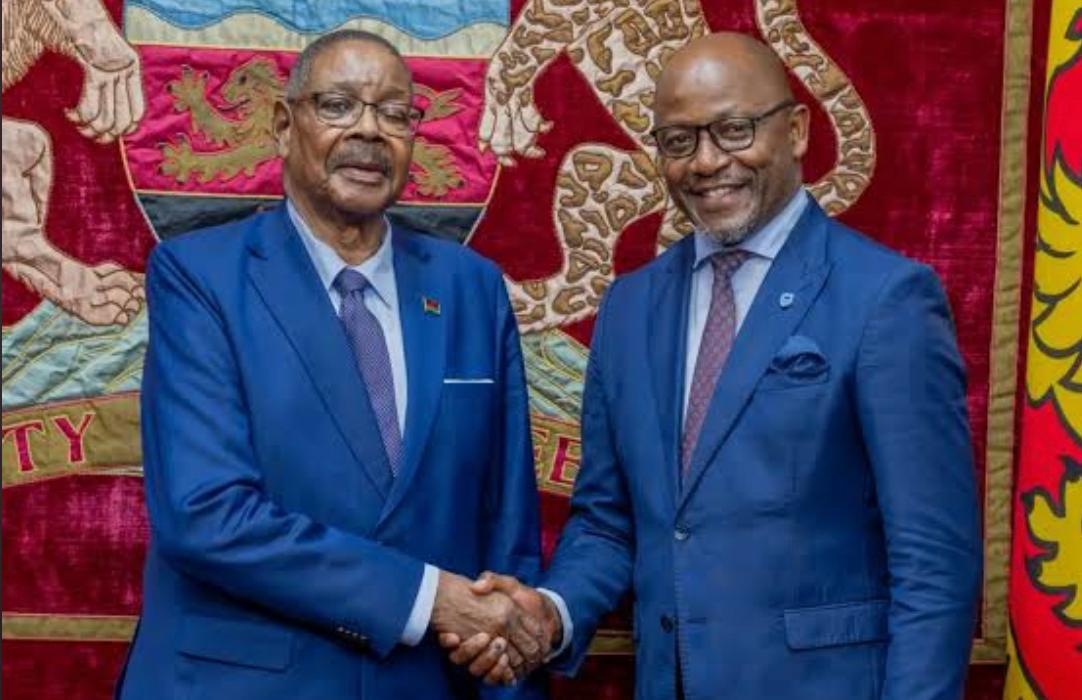
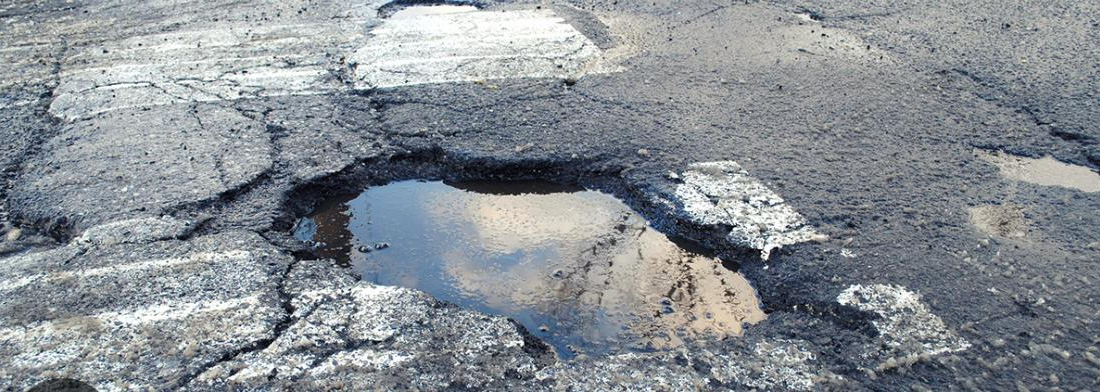
President Peter Mutharika has drawn fresh attention to the deteriorating state of Malawi’s roads after lamenting the condition of the M1 highway following a trip from Blantyre to Lilongwe.
Speaking on arrival at Kamuzu Palace after weeks of official engagements in Blantyre, Mutharika said the journey had become painfully slow because of widespread potholes along the country’s main highway.
“We jolted all the way here. It has taken us over six hours just to travel from Blantyre to Lilongwe because the road has endless potholes,” he said, adding that the road urgently needs repairs.
His remarks came as the Roads Authority (RA) disclosed that Malawi requires more than MWK1 trillion to rehabilitate and upgrade roads across the country, including the heavily damaged M1 stretch between Lilongwe and Blantyre.
Appearing before the Parliamentary Committee on Commissions, Statutory Corporations and State Enterprises, RA Acting Chief Executive Officer Joe Longwe said the authority has already awarded more than 88 contracts for emergency road works nationwide, including pothole patching on the M1 and other major roads.
Longwe, however, warned that the scale of the damage has pushed costs far beyond the resources allocated in the 2026/27 national budget.
“We will need a huge amount of money — both for maintenance works and for development projects involving road upgrades, bridge construction and rehabilitation,” he said.
According to Longwe, emergency road maintenance alone is expected to cost MWK39.6 billion, against an initial allocation of MWK29 billion.
“Efforts are underway to restore roads to acceptable standards. We have already awarded 88 contracts across the country covering routine maintenance, replacement of road signs, emergency carriageway works, line marking and pothole patching. Contractors are already on the ground,” he said.
Longwe attributed the worsening state of Malawi’s roads to the failure to remit fuel levy funds over the past three years, describing the levy as a critical source of financing for road maintenance.
“The fuel levy is a ring-fenced fund meant specifically for maintaining roads. If that money is not remitted, our roads will continue deteriorating,” he said. “We have now resumed collecting it and people can already see pothole patching works on many roads. Sustaining that effort will be important for the country.”
Committee chairperson Sylvester Ayuba James said Parliament will engage relevant stakeholders to determine how government can recover the unremitted fuel levy funds.
“It is clear that the deficit they are facing has largely been caused by the failure to remit fuel levies over the past three years,” James said. “We have agreed to hold a roundtable meeting with all stakeholders.”
Describing roads as the “veins” of the economy, James said poor road infrastructure threatens the movement of goods, services and people across the country.
“Everything moves on roads — even life itself,” he said. “We cannot ignore their plea for adequate funding. We will engage MERA, which is responsible for collecting the fuel levy, to understand how they intend to address the losses incurred over the past three years.”
Meanwhile, the Roads Authority says rehabilitation works on the 47.9km Liwonde-Matawale road between Machinga and Zomba are expected to begin this month after STECOL Corporation was identified as contractor for the project.
RA Environmental Safeguards Specialist Benjamin Kamanga disclosed this during a public presentation of the Environmental and Social Impact Assessment (ESIA) report in Zomba for the project, which falls under the Southern Africa Trade and Connectivity Project (SATCP).
Kamanga said the World Bank approved the ESIA report in October last year, while the Malawi Environmental Protection Authority (MEPA) granted clearance last month.
“All teams are now in place and works are expected to commence,” he said.
The MWK106 billion road project, designed to last 20 years, is expected to improve transport efficiency and regional connectivity while creating about 280 jobs, 80% of which will go to local communities.
Zomba District Council Director of Planning and Development Isaac Mkandawire welcomed the project, saying it carries major economic benefits for the district and adequately addresses environmental and social concerns raised during consultations.
He also urged people with permanent structures within the road reserve to relocate and avoid disrupting construction works.
The project is being implemented by the Roads Authority in collaboration with the Ministry of Transport and Public Works, with funding from the World Bank under the Southern Africa Trade and Connectivity Project. Completion is expected by July 30, 2027.
—
Also Read: Malawi roads need redesignation, Kasaila tells Transport Ministry