
As Parliament asserts its oversight powers, civil society warns against institutional overreach. At the heart of the dispute is a difficult question: how does Malawi pursue accountability without compromising the independence of public institutions?
ANALYSIS | Governance & Accountability | By Watipaso Mzungu
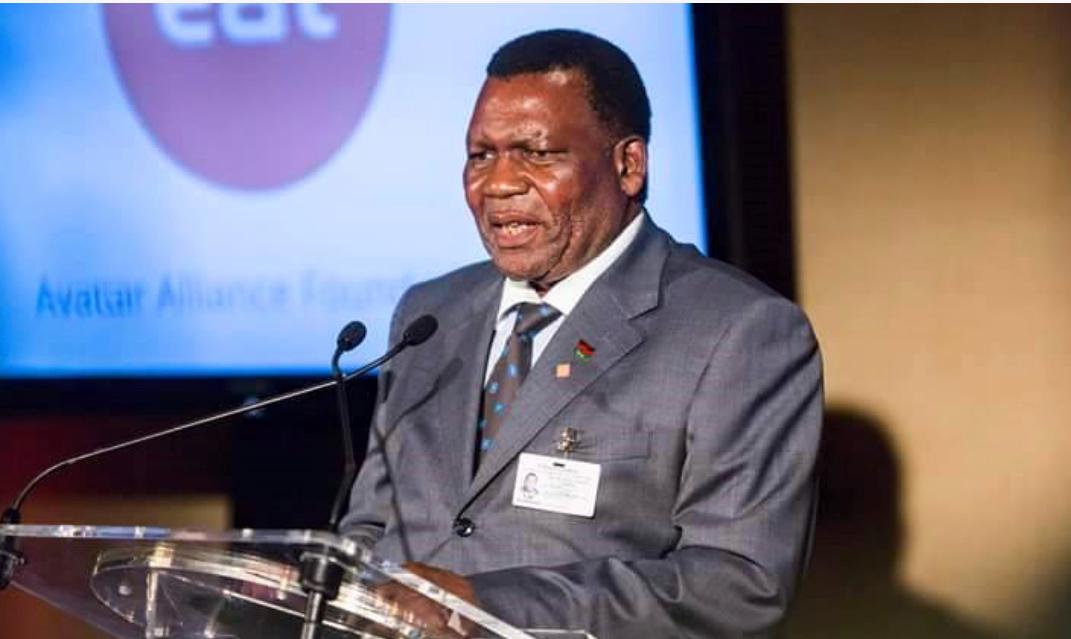
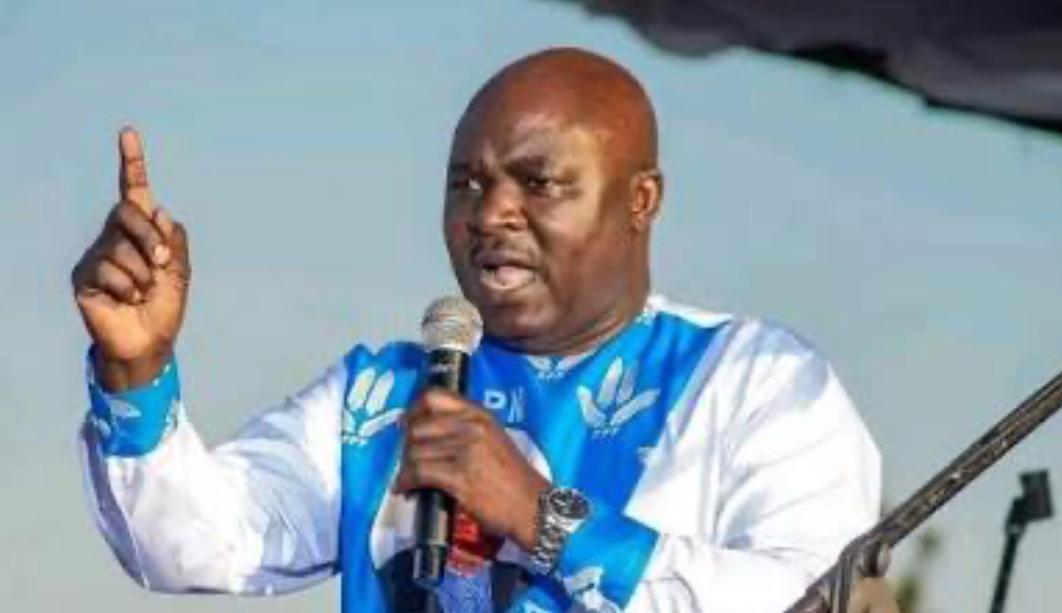
The call for accountability in Malawi has collided with concerns over institutional independence after writer and influential social commentator Onjezani Kenani publicly challenged civil society organisations (CSOs) opposing Parliament’s planned public inquiries into public institutions.
In a Facebook post, Kenani asked: “What is wrong with investigating corruption?” He then urged Parliament to exercise its oversight role “in peace”, reigniting a debate over where legitimate scrutiny ends and institutional interference begins.
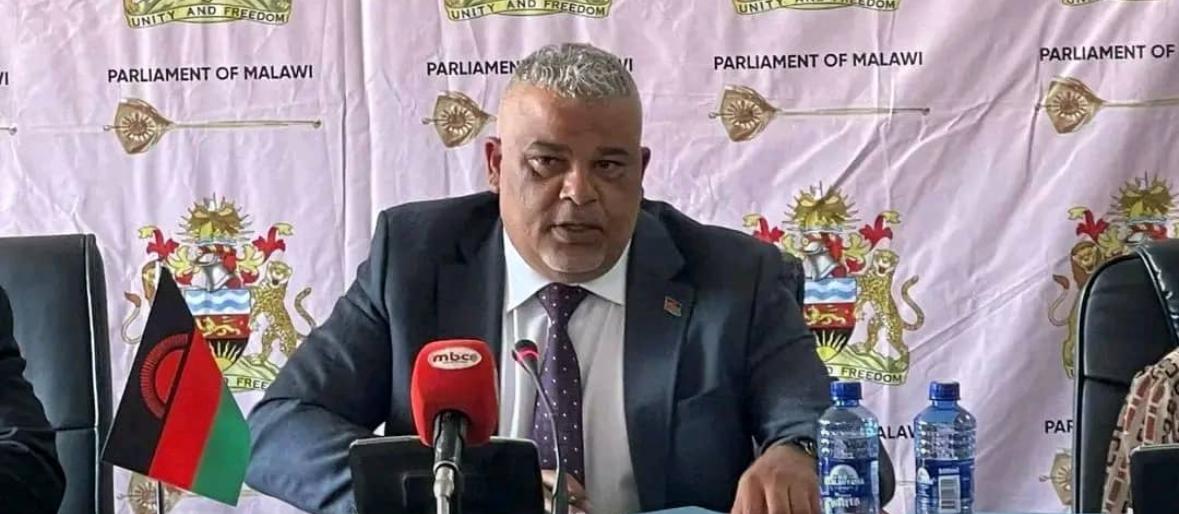
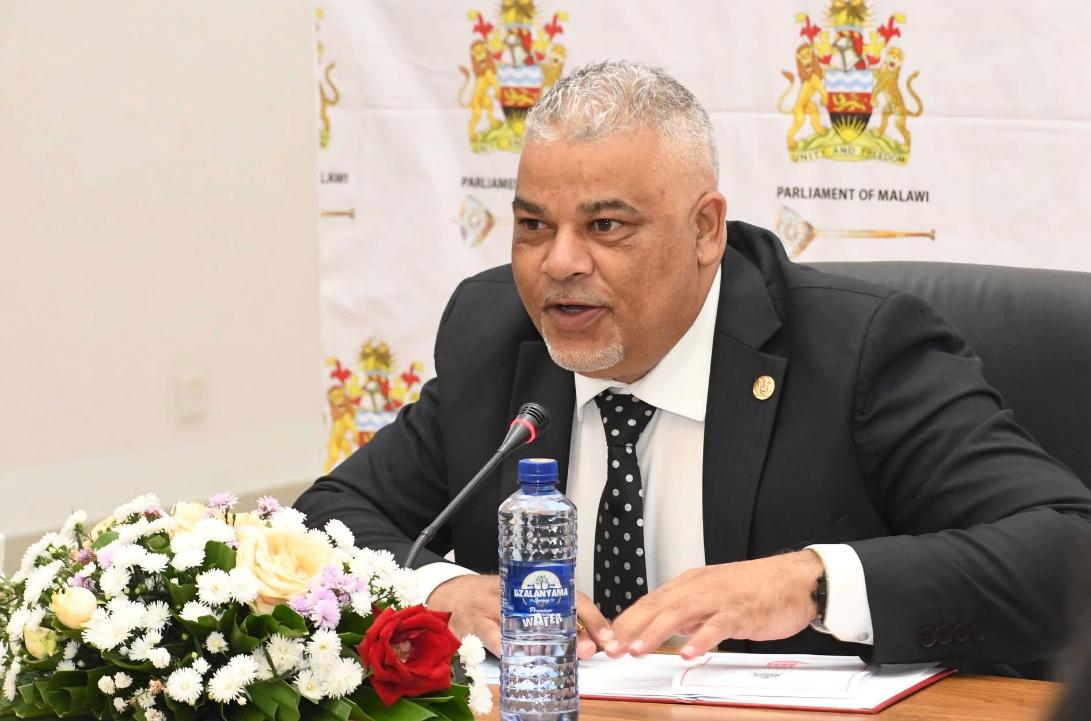
The controversy follows an announcement by Speaker of Parliament Sameer Suleman that Parliament would use its constitutional oversight mandate to institute public inquiries into public entities accused of failing to provide adequate and quality services.
The announcement drew immediate pushback.
Governing Democratic Progressive Party (DPP) Secretary General Peter Mukhito criticised the move, while government spokesperson Shadric Namalomba also weighed in with strongly worded remarks against Suleman.
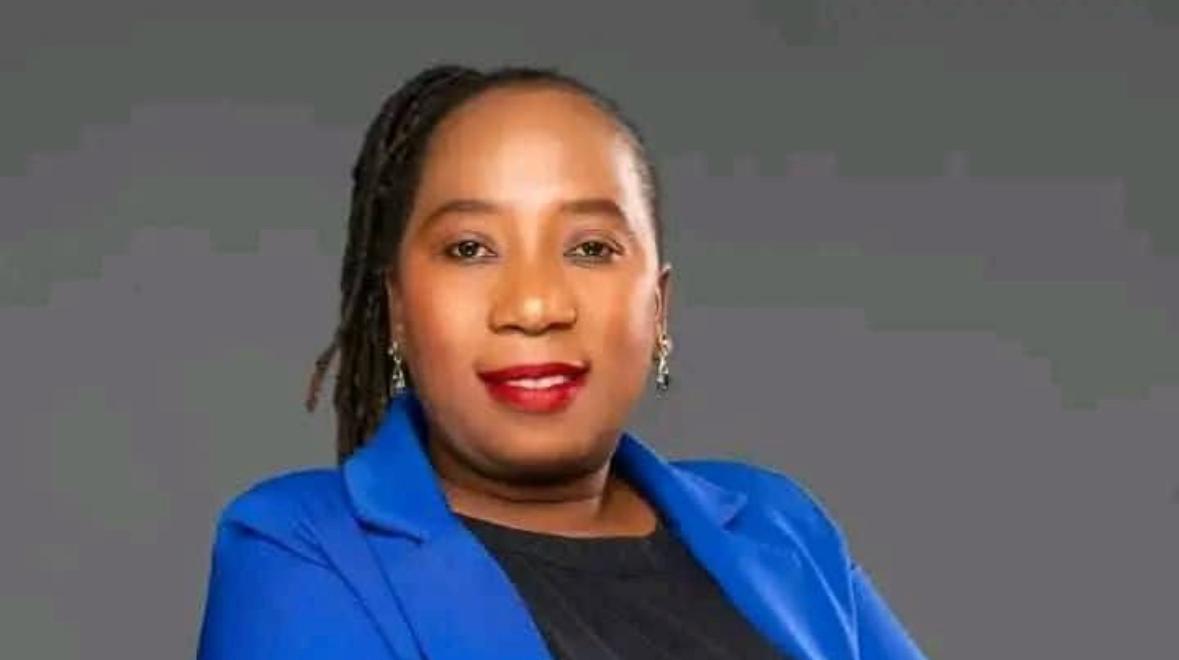
Civil society organisations, led by Robert Mkwezalamba, subsequently held a press briefing calling on Parliament to “respect the independence of other arms of government” and warning against what they described as an overreach of its oversight mandate.
Kenani, however, remains unconvinced.
“I have listened to every argument against Parliament’s oversight and none of the arguments makes sense. Not one,” he wrote. “What is wrong with investigating corruption? Let Parliament play its oversight role in peace.”
On the surface, Kenani’s position taps into a deep well of public frustration. With corruption scandals regularly dominating headlines and service delivery across public institutions frequently coming under criticism, the prospect of Parliament digging deeper is likely to resonate with citizens who feel that too little has changed.
But the dispute goes beyond whether corruption should be investigated. It raises a more fundamental question about how Malawi’s democratic institutions should exercise power while respecting the constitutional boundaries between them.
Parliament’s role as the representative body includes holding the executive and public institutions to account. Section 89 of the Constitution provides the President with certain functions, while Parliament’s broader constitutional mandate includes oversight of government.
From this perspective, public inquiries can be viewed not as attacks on other institutions but as part of the scrutiny citizens expect from their elected representatives in the fight against waste, maladministration and corruption.
The concerns raised by CSOs, however, are centred on a different risk.

They argue that institutions such as the Judiciary, Anti-Corruption Bureau (ACB) and Auditor General must be able to perform their functions without political pressure or interference. Their concern is that parliamentary inquiries, particularly when conducted publicly and amid intense political debate, could prejudice ongoing investigations or create opportunities for political targeting.
That tension is at the heart of the current dispute.
For many Malawians frustrated by poor public services and recurring allegations of corruption, arguments about institutional boundaries can sound like procedural distractions. If public institutions are failing, they may ask, why shouldn’t Parliament demand answers?
But the concerns about precedent cannot simply be dismissed.
If Parliament begins summoning and publicly interrogating officials over operational matters, where should the boundary be drawn? And what safeguards exist to ensure that legitimate oversight does not become a political instrument?
Those questions matter because this is unlikely to be only about one proposed inquiry. It reflects a wider crisis of confidence in Malawi’s institutions.
Citizens often expect public institutions to police themselves, yet repeated controversies have eroded confidence that they can do so effectively. Parliament, meanwhile, is asserting its authority to demand answers from institutions responsible for delivering essential services. Civil society organisations are warning that Parliament itself must remain within constitutional limits.
The strong political reaction to Suleman’s position has added another layer to the dispute. In an environment where accusations of corruption and political interference are often traded freely, disagreement over oversight can quickly be interpreted as either an attempt to expose wrongdoing or an attempt to shield those responsible.
Both sides, however, say they are defending democracy.
Parliament’s argument is that elected representatives have a responsibility to demand answers on behalf of citizens. CSOs argue that accountability is meaningful only when institutions responsible for investigation, prosecution, auditing and adjudication are allowed to operate independently.
The challenge for Malawi is therefore not to choose between accountability and institutional independence. A functioning democracy requires both.
The question Kenani posed will continue to hang over the debate: if the objective is to expose corruption and improve public services, why resist a process designed to demand answers?
But the CSOs’ counter-question is equally important: if the objective is accountability, how can Parliament exercise that power without weakening the very institutions whose independence is essential to delivering justice and accountability?
For now, Malawi is watching a public standoff in which the argument is not about whether corruption is wrong. It is about who gets to investigate it, what powers they can exercise, and where the constitutional limits lie.
—
Anti-Corruption image by Nick Youngcon CC BY-SA 3.0 Pix4free
Also Read: Suleman is right about accountability, but Parliament needs more than new committees
Related: ACB in the dock: Chembezi accused of pressuring PAC chair over Amaryllis probe