Malawi’s Parliament already has the committees needed to hold government to account. The real problem is whether they have the authority, independence and political backing to act on what they uncover.
OPINION | Parliamentary Oversight | By Anthony Simwaka
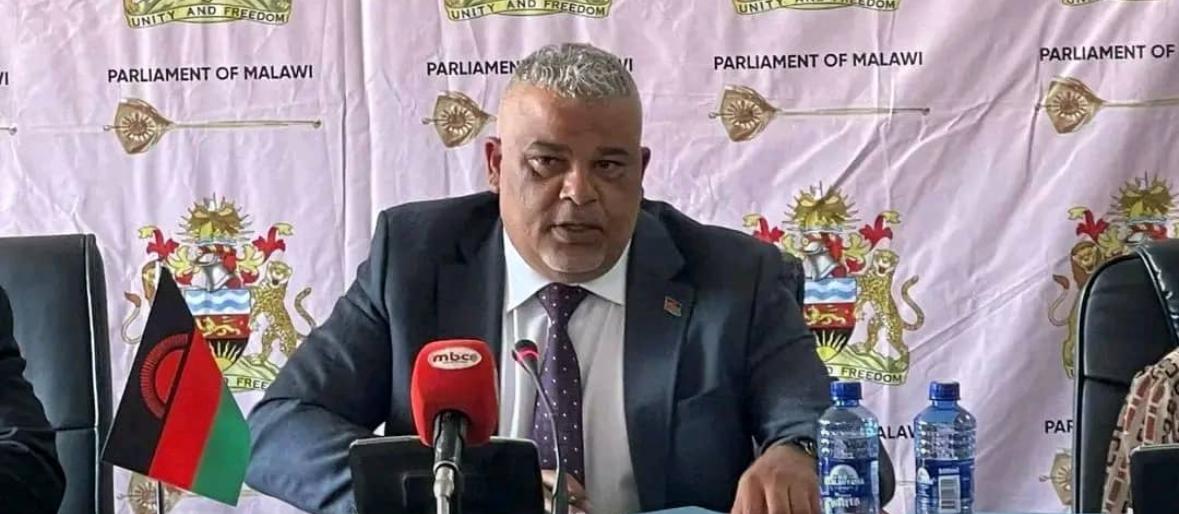
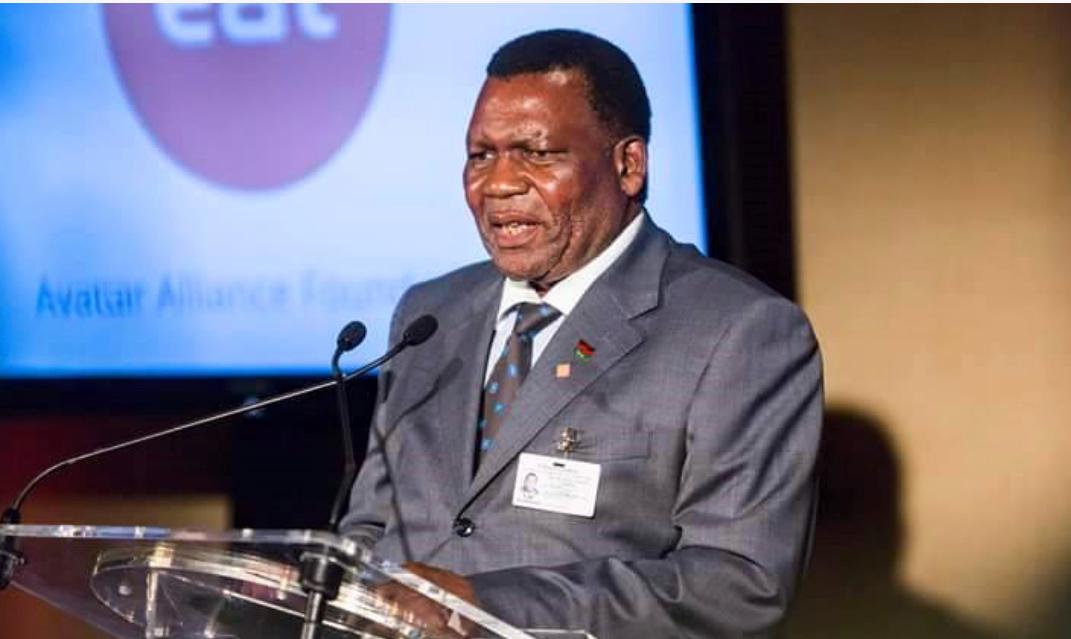
Malawi’s Speaker of Parliament, Sameer Suleman, is frustrated, just as many of us are, by the direction in which our public institutions and officials appear to be handling matters of national importance. While the courts may ultimately have the final say on what the Speaker has threatened to do, I would be cautious about placing all our hopes in the judiciary to resolve the matter.
Based on some of the courts’ previous high-profile judgments, there is a perception that decisions have, at times, been influenced as much by prevailing public sentiment and the mood of the country as by a strict application of the rule of law. If that perception is correct, it is itself symptomatic of the deeper institutional problems and interconnected failures that exist across the three arms of government.
That said, the Speaker should have followed established parliamentary procedures when constituting the committees, including allowing the matter to be properly debated and, where required, put to a vote. Parliament must not only uphold its own rules; it must also demonstrate that it is accountable to the procedures and institutions it expects others to respect.
My concern, however, is that there is little need for the Speaker to create new committees when the relevant oversight committees already exist. We have seen these committees at work before, including during the Armellys Hotel matter, which remains unresolved.
The real question, therefore, is not whether Parliament has committees. It is whether those committees are being allowed and required to perform the oversight functions for which they were established in the first place.
In my view, this is where the Speaker should place his emphasis: enforcing the mandate and authority of existing oversight committees. At present, they appear to have responsibilities without the corresponding institutional power or political will to make those responsibilities meaningful.
In other words, they have been given the mandate to investigate, but seemingly lack the teeth to act on what they uncover.
Where a parliamentary committee conducts an investigation and finds credible evidence of criminal wrongdoing, its responsibility should not end with a report that is filed away and forgotten. Its findings should be formally referred to the Ministry of Justice (MOJ) for consideration of criminal prosecution where the evidence warrants it.
Whether the MOJ chooses to pursue such a case is a separate matter, and one that should be addressed on its own merits. But Parliament should not allow potentially serious findings to disappear into the institutional void between investigation and prosecution.
Ultimately, I do not believe our biggest problem is the absence of parliamentary committees. We already have them. The bigger problem is the apparent failure to empower, enforce and hold those committees accountable for carrying out their constitutional and parliamentary oversight responsibilities.
If Parliament is serious about accountability, its committees must be more than vehicles for producing reports and holding hearings. They must have the authority, independence and institutional backing necessary to follow investigations wherever the evidence leads and, where appropriate, ensure that their findings reach the relevant prosecutorial authorities.
That, in my view, would be a far more meaningful exercise of parliamentary oversight than simply creating another committee.
Malawi does not need more committees for the sake of appearances. It needs existing committees to have the authority to do the job they were created to do — and the political will within Parliament to ensure that their findings lead to consequences where the evidence demands them.