The arrest of activist Sylvester Namiwa has reignited concerns about freedom of expression, the use of state power and Malawi’s democratic trajectory. While the courts will determine the legal merits of the case, the government’s response to dissent risks reviving memories of a past that Malawians overwhelmingly rejected in their fight for multiparty democracy.
EDITORIAL| By The Forum
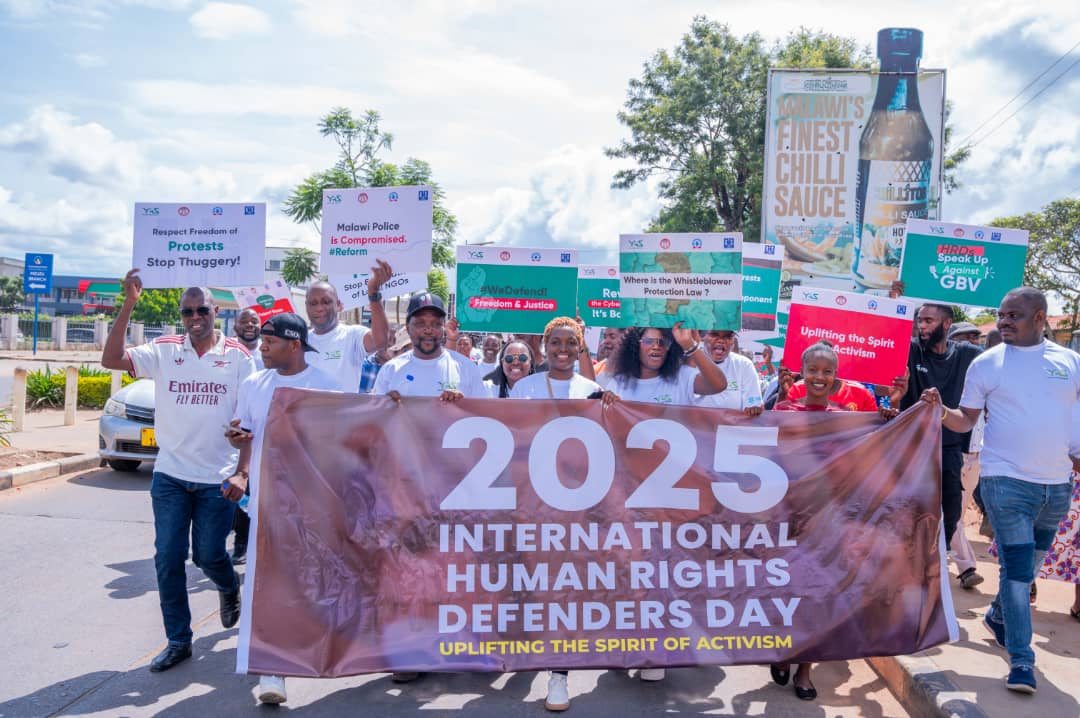
The arrest of activist Sylvester Namiwa has sparked widespread condemnation from human rights organisations, opposition political leaders and civil society groups. Their objections have already been well documented. A brief summary is sufficient: they argue that the Malawi Police Service is using criminal law to intimidate citizens who demand accountability from those in public office, creating a chilling effect on freedom of expression and democratic participation.
Those concerns deserve serious attention.
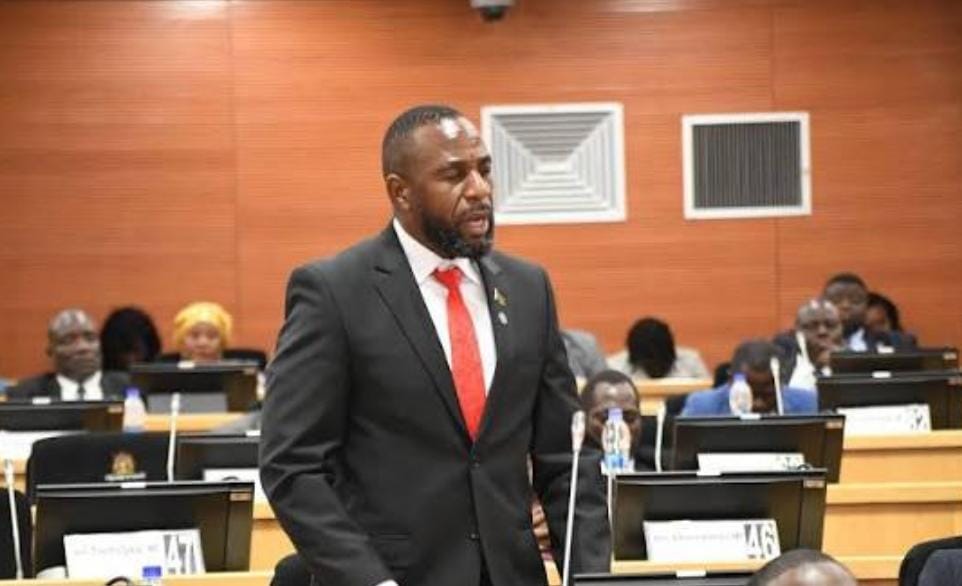
Namiwa, Executive Director of the Centre for Democracy and Economic Development Initiatives (CDEDI), was arrested after publicly calling on Minister of Lands, Housing and Urban Development Chimwemwe Chipungu to disclose details surrounding land allocations, the findings of a land audit and the source of his personal wealth. Police say he faces charges of publishing false news and conduct likely to cause a breach of the peace. Whether those allegations ultimately stand in court is a matter for the judiciary. What is not in dispute is the message such arrests send to citizens who question those entrusted with public office.
Democracy does not thrive because governments are praised. It survives because governments are questioned.
“Democracy does not thrive because governments are praised. It survives because governments are questioned.”
Public officials, by virtue of the offices they occupy, must expect scrutiny. Citizens have every right to ask difficult questions about the management of public resources, allegations of corruption or unexplained wealth. Where those questions are false or defamatory, the law provides remedies. But resorting to criminal arrests whenever uncomfortable questions are raised risks creating the perception that state institutions are being deployed to silence critics rather than uphold justice.
That perception is as damaging as the arrest itself.
Equally troubling are reports that opposition leaders, lawyers and civil society representatives were denied access to Namiwa after his detention. Police have offered explanations based on station procedures, but the incident has only fuelled suspicions that transparency was lacking. In matters involving constitutional rights, authorities should always err on the side of openness rather than secrecy.
Malawi’s democratic journey has never been an accident. It was earned through sacrifice.
The events surrounding Namiwa’s arrest inevitably evoke memories of a period many Malawians hoped had been permanently consigned to history. Before the watershed referendum of 1993 and the first multiparty elections in 1994, dissent was not merely discouraged; it was criminalised. Freedom of expression was tightly controlled. Critics of the government were detained without trial, while others faced charges of treason carrying the ultimate penalty.
The one-party era under Dr Hastings Kamuzu Banda became synonymous with fear. Political opposition was virtually impossible. Independent voices were silenced. Journalists, activists and ordinary citizens learned that questioning authority could come at an enormous personal cost. Some paid with years of imprisonment. Others paid with their lives.
One of the most haunting examples remains the killing of journalist Mkwapatira Mhango while living in exile in neighbouring Zambia after a firebomb attack. International organisations, including Amnesty International and Article 19, documented widespread human rights abuses during that era, describing a system in which civil liberties were systematically suppressed.
Those memories should never become distant historical footnotes. They should serve as permanent reminders of what happens when state power begins to outweigh constitutional freedoms.
No reasonable Malawian wishes to revisit that chapter.
“Before the watershed referendum in 1993 and the multiparty elections in 1994, dissent was not merely discouraged; it was criminalized.”
That is precisely why today’s leaders — regardless of political affiliation — must guard against actions that invite comparisons with the past. Democracies rarely erode overnight. They weaken gradually through decisions that appear isolated but collectively normalise intolerance of criticism, discourage public participation and cultivate fear among citizens.
Governments often insist that arrests such as Namiwa’s are purely matters of law enforcement. Perhaps they are. If credible evidence exists that criminal offences have been committed, then due process should be allowed to run its course before an independent judiciary. But the burden rests with the authorities to demonstrate that the law is being applied impartially and not selectively against government critics.
Justice must not only be done; it must be seen to be done.
At a time when Malawians face mounting economic pressures, rising crime, unemployment and persistent concerns over corruption, law enforcement resources should be focused on the threats that most directly affect people’s lives and livelihoods. Public confidence is strengthened when police are seen combating violent crime, protecting communities and pursuing genuine criminality, not becoming embroiled in disputes that many perceive as political.
The Constitution guarantees freedom of expression not because every opinion is correct, but because democracy depends on citizens being able to question those who govern them without fear of intimidation.
That principle was hard won. It should never be taken for granted.
Malawi’s democratic credentials will ultimately be measured not by how it treats those who agree with the government, but by how it treats those who challenge it. The authorities would do well to remember that history has already shown where the alternative leads.
—
Also Read: Human rights activists, politicians condemn arrest of activist Sylvester Namiwa