Foreign Affairs Minister George Chaponda has appealed to Parliament to fast-track the release of MWK24.6 billion needed to repatriate thousands of Malawians fleeing xenophobic violence in South Africa, as the humanitarian crisis worsens and political pressure mounts on both governments.
NEWS | Parliament| Foreign Affairs | Edwin Mauluka
Foreign Affairs Minister George Chaponda has appealed to Parliament to support the urgent release of MWK24.6 billion needed to repatriate thousands of Malawians fleeing xenophobic violence in South Africa, warning that the humanitarian crisis is escalating.
Presenting a ministerial statement in Parliament on Tuesday, Chaponda said the government urgently requires funding to transport returnees, manage reception centres and provide humanitarian assistance as increasing numbers continue to arrive.
The appeal follows evidence presented to the Parliamentary Committee on International Relations by the Department of Disaster Management Affairs (DoDMA), which estimates that MWK24.6 billion is required to repatriate about 15,000 Malawians.
“DoDMA has submitted budgetary resource requirements to the Treasury and continues engaging on the matter,” Chaponda said.
“I therefore appeal to this Honourable House to support the expeditious release of these resources. Our missions in Pretoria, Maputo and Harare, our consulates in Johannesburg and Tete, and the reception point at Mwanza all require additional personnel to cope with the volume of work generated by this crisis.”
Chaponda said DoDMA estimates that about 30,000 Malawians had returned home by 6 July, but demand for assisted repatriation continues to grow.
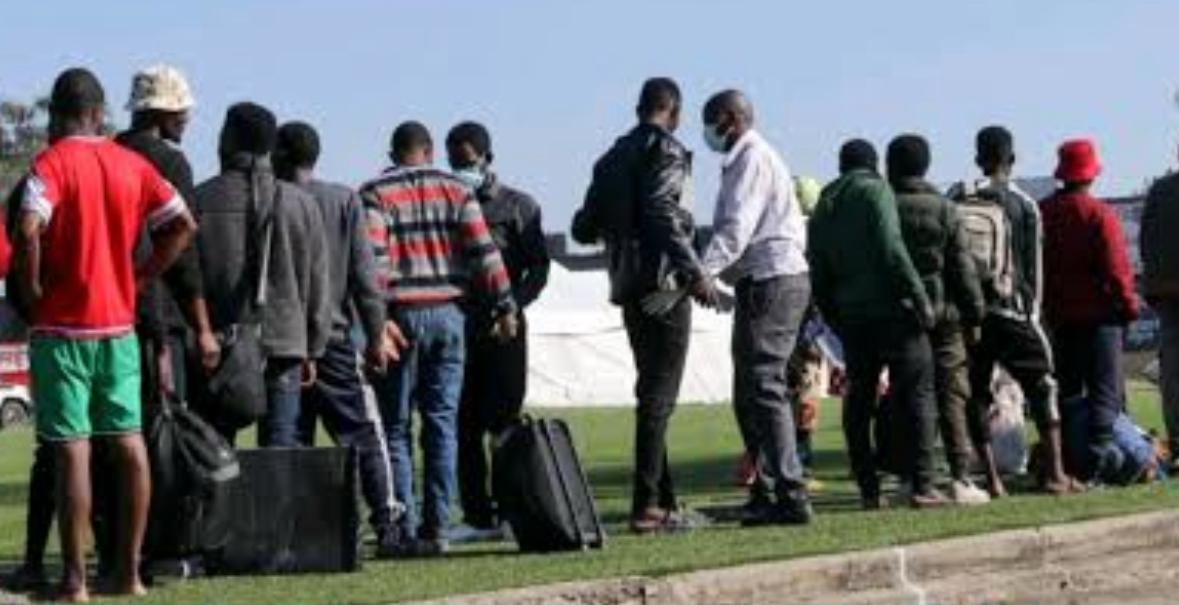
More than 700 Malawians have recently crossed into Mozambique through informal routes ahead of a 30 June deadline reportedly issued by vigilante groups. They are now stranded in Maputo awaiting transport home.
“Our mission in Maputo reports an exponential increase in the number of nationals arriving from South Africa through this route,” Chaponda said.
He described the situation as a growing humanitarian emergency, noting that women and children make up a large proportion of those affected. Some pregnant women, he said, have given birth while staying in transit camps or during the journey home.
The repatriation programme requires funding for transport, temporary accommodation, food, medical care, documentation, screening and reintegration support.
Most Malawians living in South Africa work in low-income jobs in agriculture, construction and retail, and reside in townships, farms and informal settlements where anti-foreigner sentiment has periodically erupted into violence.
Chaponda said DoDMA activated an inter-agency emergency response and dispatched a team to South Africa to reinforce officials at Malawi’s High Commission in Pretoria and its Consulate in Johannesburg.
He said sustained diplomatic engagement with Pretoria had persuaded South African authorities to replace deportation with a voluntary repatriation programme.
Under the arrangement, Malawian nationals only need to submit fingerprints and complete a simplified exit form instead of appearing before courts.
Chaponda also praised the South African government for providing buses and deploying additional officials to speed up fingerprinting, processing and border clearance.
“South Africa has, of its own volition, supported the voluntary repatriation process with buses to accelerate departures,” he said.
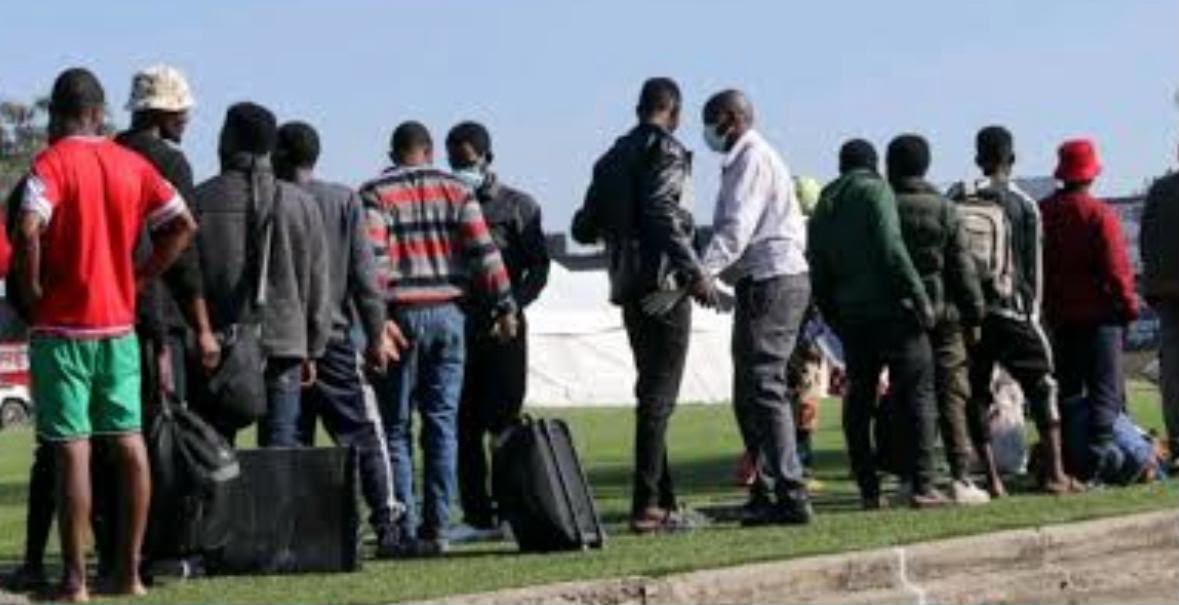
Malawi has meanwhile deployed about 55 buses to transport returnees from Mwanza Border Post. Reception operations, initially conducted at Kamuzu Stadium in Blantyre, were moved to Joyce Chitsulo Stadium in Mwanza on 25 June.
Chaponda said Malawi has intensified diplomatic engagement with South Africa and regional bodies, including the SADC Organ on Politics, Defence and Security Cooperation, to seek a coordinated regional response.
He said Malawi had also held bilateral talks with South Africa’s Minister of International Relations and Cooperation, while President Peter Mutharika had engaged President Cyril Ramaphosa directly.
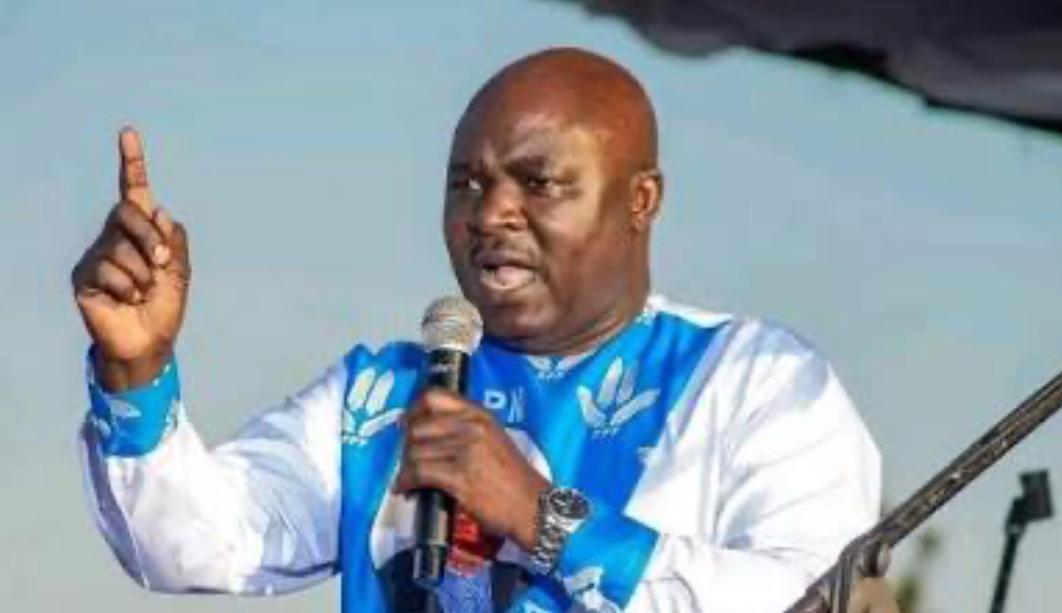
Opposition Leader Simplex Chithyola Banda urged government to respond more decisively.
He called for the South African High Commissioner to be summoned and for a high-level Malawian delegation to travel to Pretoria to demand greater protection for Malawians still in South Africa, as well as compensation for those who have lost property and livelihoods.
Chithyola also proposed a national resettlement programme coordinated by DoDMA and the Ministry of Homeland Security to provide land, temporary housing and transport for returnees.
“We need to provide immediate food and non-food items, free healthcare, fast-track school placements for their children, psychosocial support and start-up grants for traders and artisans,” he said.
He further urged Malawi to push through SADC and the African Union for a regional protocol criminalising xenophobia and strengthening protection for migrant workers.
Former Foreign Affairs Minister and Lilongwe Mpenu MP Eisenhower Mkaka said the crisis highlighted Malawi’s deeper economic challenges.
He argued that creating jobs and economic opportunities at home was the most sustainable way of reducing dependence on migration to South Africa.
“That begins with political leadership creating an economic environment where people see opportunities at home rather than feeling compelled to leave,” Mkaka said.
He noted that although many Malawians occupy low-paying jobs in South Africa, their remittances make a significant contribution to Malawi’s economy.
“Their contribution to mother Malawi cannot be underrated. That is why all of us should be concerned with what is happening,” he said, calling for greater African solidarity.
The debate comes amid criticism from South African officials, who accuse Malawi of failing to adequately manage the repatriation process.
South Africa’s Minister in the Presidency, Khumbudzo Ntshavheni, recently said processing delays were caused by shortages of Malawian officials to issue emergency travel documents and oversee departures.
She claimed Malawi’s diplomatic mission was not operating around the clock despite large numbers of people waiting to return home.
“We are only intervening to avoid a humanitarian crisis. The responsibility for repatriating Malawians still rests with the Government of Malawi,” Ntshavheni told reporters.
She said South Africa had been forced to provide buses and other resources despite the operation being Malawi’s responsibility.
Meanwhile, Parliament on Tuesday opened its Third Meeting of the 52nd Session, during which lawmakers will consider pending legislation, committee reports, petitions, ministerial statements and new government Bills.
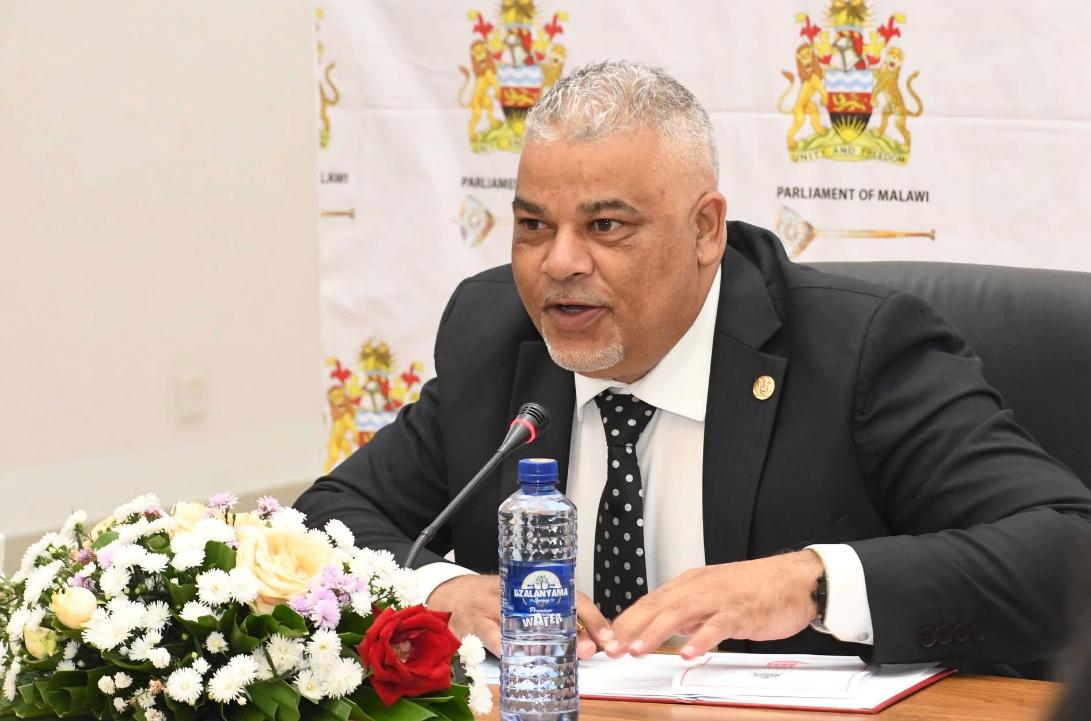
Opening the four-week sitting, Speaker Sameer Suleman praised the work of the Public Accounts Committee and the Ad Hoc Committee investigating the Chikangawa plane crash, urging other parliamentary committees to strengthen oversight through similarly rigorous inquiries. He also warned MPs against absenteeism and reminded committees to follow proper procedures when engaging external stakeholders.
—
Also Read: Malawi begins repatriating citizens as anti-migrant protests escalate in South Africa
Related: South Africa’s anti-migrant backlash is Malawi’s wake-up call