NEWS | Economy | Edwin Mauluka
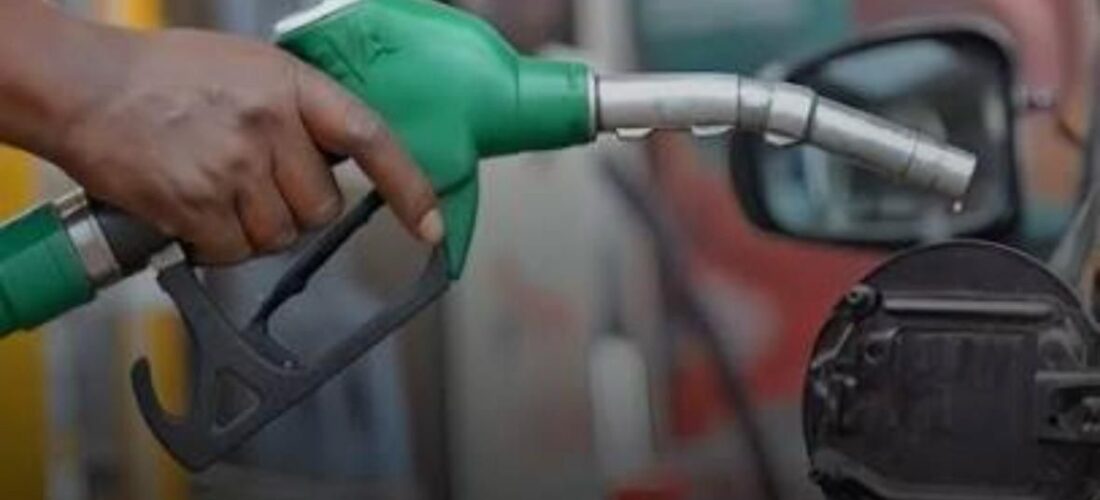
The Malawi Energy Regulatory Authority (MERA) has reduced the pump prices of petrol, diesel and kerosene, with the new prices taking effect from June 19, 2026.
In a statement signed by Board Chairperson Lucas Kondowe on June 18, MERA said the reductions were made under the Automatic Pricing Mechanism (APM) after in-bond landed costs (IBLCs) for all three fuel products fell beyond the ±5% trigger band.
“Under the Automatic Pricing Mechanism (APM), all three products qualified for a price reduction as the decreases in Inbond Landed Costs (IBLCs) were above the threshold of the ±5% trigger band. Therefore, the pump prices for petrol, diesel and kerosene have been revised downwards,” the statement said.
Petrol now sells at MWK5,619 per litre, down from MWK6,209, a 9.5% reduction. Diesel has fallen from MWK6,687 to MWK6,306 per litre, representing a 5.7% decrease, while kerosene has dropped from MWK5,709 to MWK4,771 per litre, a 16.4% reduction.
Despite the price cuts, MERA cautioned that volatility in global oil markets remains a concern.
“The Board will continue monitoring movements in petroleum market prices as the geopolitical conflict in the Middle East continues to affect global petroleum prices and supply chain costs,” the regulator said.
However, the Centre for Democracy and Economic Development Initiatives (CDEDI) says the reductions offer little relief to consumers.
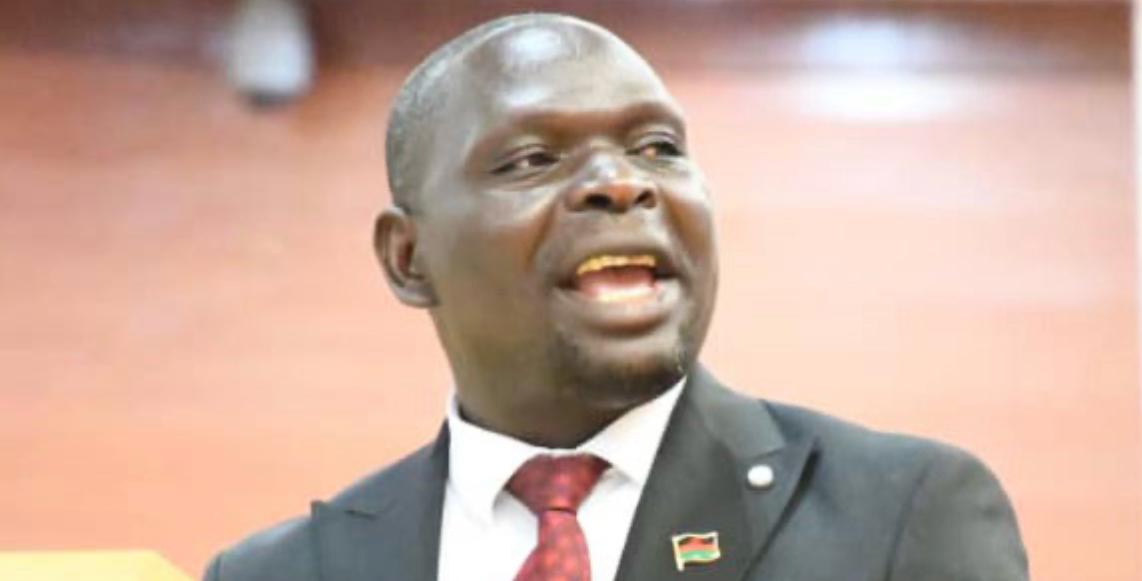
CDEDI Executive Director Sylvester Namiwa described the latest adjustment as “minimal” and argued that meaningful reductions in fuel prices will only be achieved if MERA abolishes the MWK350 per litre levy imposed on petrol and diesel.
The levy was introduced in January 2026 to recover an estimated MWK1.2 trillion in under-recoveries that accumulated after the Malawi Congress Party (MCP) administration suspended the Automatic Pricing Mechanism in May 2022 in favour of fixed fuel prices.
At the time, Finance Minister Joseph Mwanamvekha said the levy would help repay Petroleum Importers Limited (PIL), which is owed MWK227.6 billion, and the National Oil Company of Malawi (NOCMA), which is owed MWK963 billion.
“This levy is imposing an unnecessary burden on Malawians, and we challenge the government, through MERA, to scrap it,” Namiwa said.
MERA projects that the MWK1.2 trillion under-recovery will be cleared over five years.
Namiwa, however, questioned the rationale behind the levy, claiming that both PIL and NOCMA owe MERA almost equivalent amounts in unremitted levies.
“What Malawians were not told is that both PIL and NOCMA owe MERA almost the same amount in unremitted levies,” he said. “The question is: In whose interest should consumers continue paying a levy that ultimately circulates between these institutions?”
He urged MERA, PIL and NOCMA to negotiate a settlement of their outstanding obligations and eliminate the MWK350 levy instead of passing the cost on to consumers.
Namiwa also argued that fuel prices remain inflated because of Road Fund and Malawi Rural Electrification Programme (MAREP) levies, which were increased by 200%.
He further criticised NOCMA’s procurement strategy, saying reliance on fuel middlemen in Tanzania adds unnecessary costs that are ultimately borne by consumers.
“Instead of relying on foreign transporters, Malawi should expand the use of rail and pipelines to reduce fuel landing costs and deliver more affordable pump prices,” he said.
With uncertainty in the Middle East continuing to weigh on global oil markets, Namiwa also called on the government to explore investing alongside other African countries in Angola’s Lobito Oil Refinery project, arguing that it could lower both transport costs and fuel import prices over the long term.
—
Also Read: Malawi opposition demands relief measures after fuel price hike