As government consults stakeholders on its 2025–2030 National Economic Recovery Plan, the real challenge is not a shortage of ideas but a shortage of political will. Malawians have heard the promises before. What they want now is implementation, accountability and evidence that economic reform is more than a public relations exercise.
EDITORIAL | The Forum
The Malawi government’s decision to seek input from business leaders, researchers, civil society organisations and development partners as it prepares its 2025–2030 National Economic Recovery Plan (NERP) is, on the face of it, a welcome development.
At a time when the country faces mounting debt, persistent foreign exchange shortages, rising costs of living and sluggish economic growth, broad consultation is not only sensible but necessary. Good policy is rarely crafted in isolation.
Yet many Malawians remain sceptical. They have every reason to be.
The problem has never been a shortage of ideas. Since the advent of multiparty democracy in 1994, governments have received a steady stream of recommendations from economists, academics, civil society organisations, development partners and the private sector. Reports have been written, conferences held and strategies unveiled. What has often been missing is the political will to implement reforms consistently and hold those responsible for failures to account.
Malawi’s economy has remained trapped in a cycle of underperformance despite enjoying relative political stability compared with many countries on the continent. The nation has largely avoided the kinds of violent conflicts and social upheavals that devastate economies and take decades to repair. Yet poverty remains widespread, growth remains fragile and public confidence in state institutions remains weak.
Part of the reason lies in the country’s unresolved relationship with corruption and accountability.
Successive administrations have campaigned on promises of reform and zero tolerance for corruption. Yet major scandals continue to linger without meaningful resolution.
More than a decade after the Cashgate scandal exposed the theft of millions of dollars through fraudulent government payments, many Malawians still question whether justice was fully served. The perception that powerful individuals can evade accountability continues to undermine public trust.
More recently, concerns surrounding the purchase of a hotel by a teachers’ pension fund reignited questions about governance and oversight. Parliament’s investigations initially appeared promising, but public attention has been met with silence as proceedings stalled. Critical questions remain unanswered. Most importantly, who is protecting the interests of the teachers whose retirement savings were placed at risk?
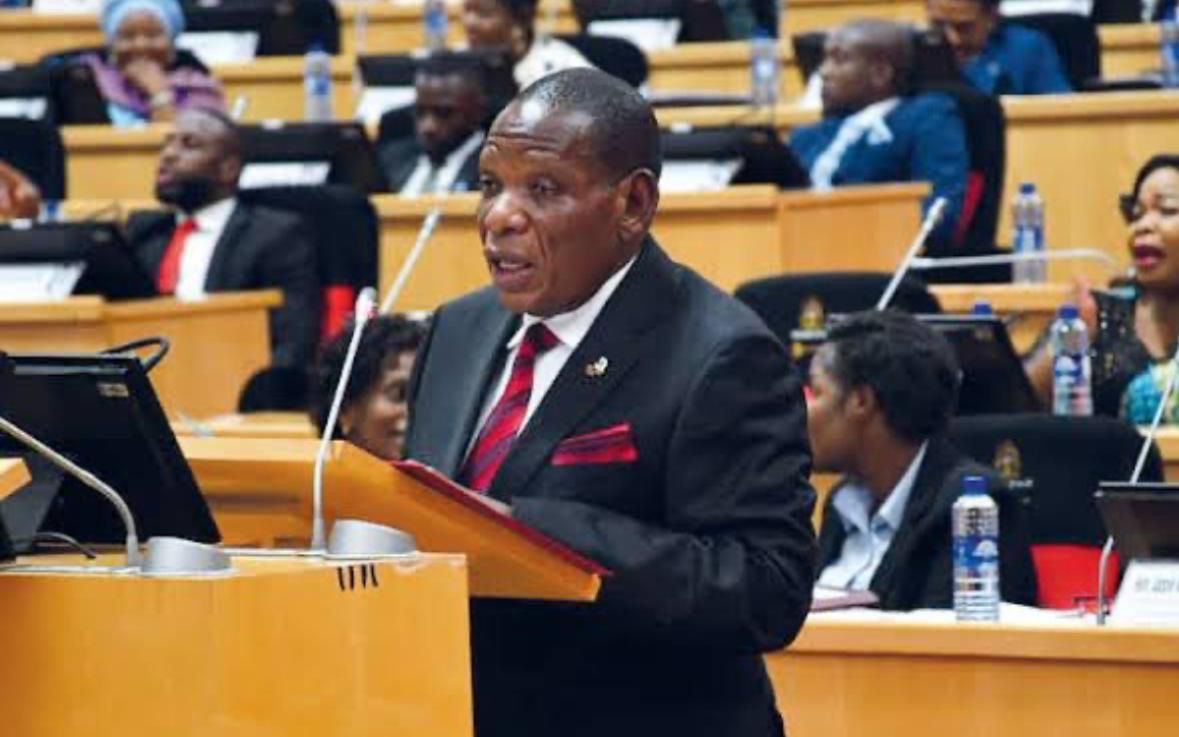
The same concerns arise in debates over the Constituency Development Fund (CDF). When lawmakers sought to overturn a court ruling that barred MPs from managing the fund, many saw it as yet another attempt to weaken accountability mechanisms. The proposal enjoyed support across the political divide, raising questions about the commitment of elected leaders to governance reforms when those reforms constrain their influence.
It took sustained pressure from civil society, the media and other stakeholders before President Peter Mutharika withheld assent and opted for administrative guidelines instead. The episode stressed how quickly hard-won governance gains can come under threat when political expediency enters the equation.
Against this backdrop, the NERP consultations represent both a challenge and a chance to grow.
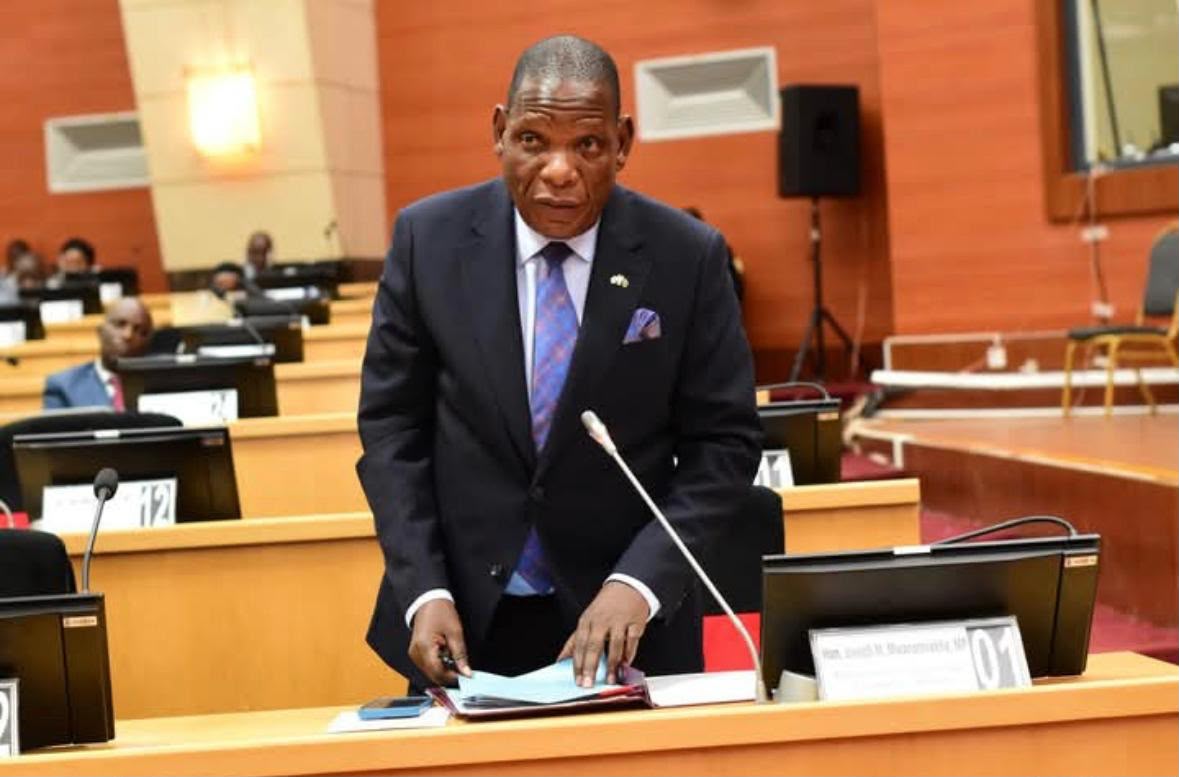
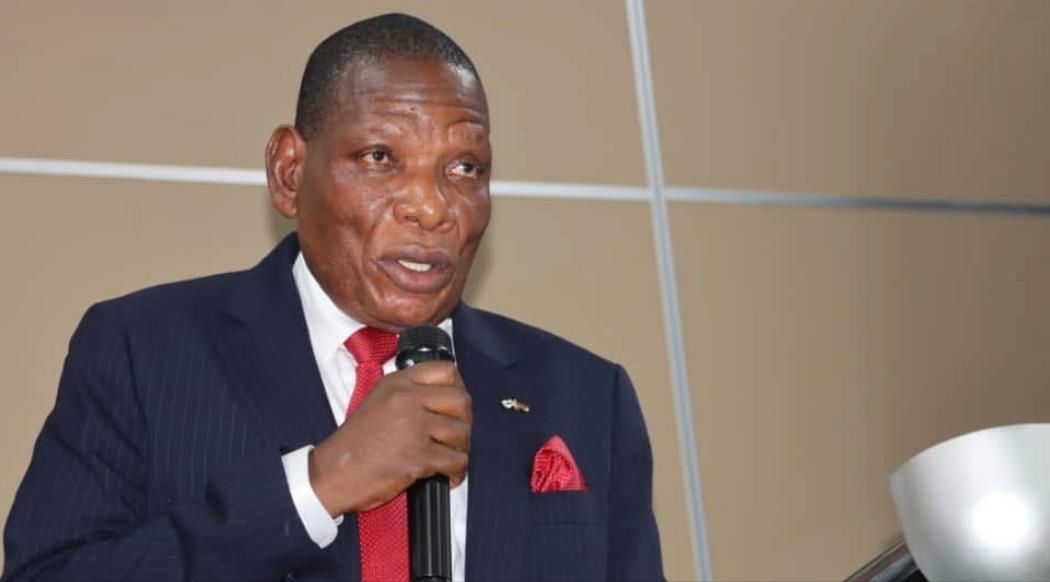
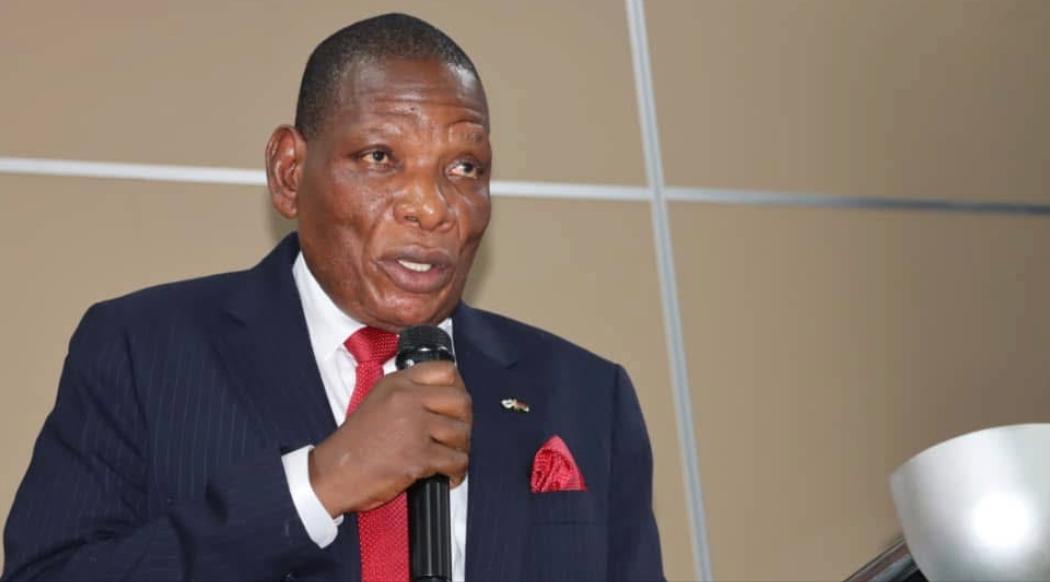
Finance Minister Joseph Mwanamvekha has described the process as an urgent call to action, bringing together stakeholders to develop solutions for fiscal discipline, debt sustainability, governance reforms, food security, export growth, infrastructure development, tourism, mining and manufacturing.
These priorities are neither new nor controversial. Private sector representatives have rightly welcomed the existence of a focused recovery plan. But as Malawi Confederation of Chambers of Commerce and Industry chief executive Daisy Kambalame noted, the real question is accountability. Who will be responsible for delivering results? How will progress be measured? What happens when targets are missed?
Mining may indeed offer significant revenue potential. Industrialisation remains essential. Fiscal discipline is long overdue. But none of these ambitions will succeed without stronger institutions and a genuine commitment to transparent governance.
Malawians have heard the advice before. They have seen the plans before. The challenge facing the government is not drafting another strategy document. It is proving that this exercise is more than optics.
Ultimately, the success of the National Economic Recovery Plan will not be judged by the quality of its consultations or the ambition of its goals. It will be judged by whether ordinary Malawians see meaningful improvements in their lives.
And on that score, the public will be watching closely.
—
Also Read: Facing debt, inflation & forex shortages, Malawi drafts 5-year economic recovery plan
Related: Malawi’s reformed CDF hires engineers, ties funding to Council performance
Related: No premium, no cover: RBM warns insurers, policy holders under new insurance law