
By Edwin Mauluka
The Malawi Ministry of Agriculture, Irrigation and Water Development has asked Parliament to consider allocating additional funding to key programmes, saying the current budget will limit its ability to deliver critical services.
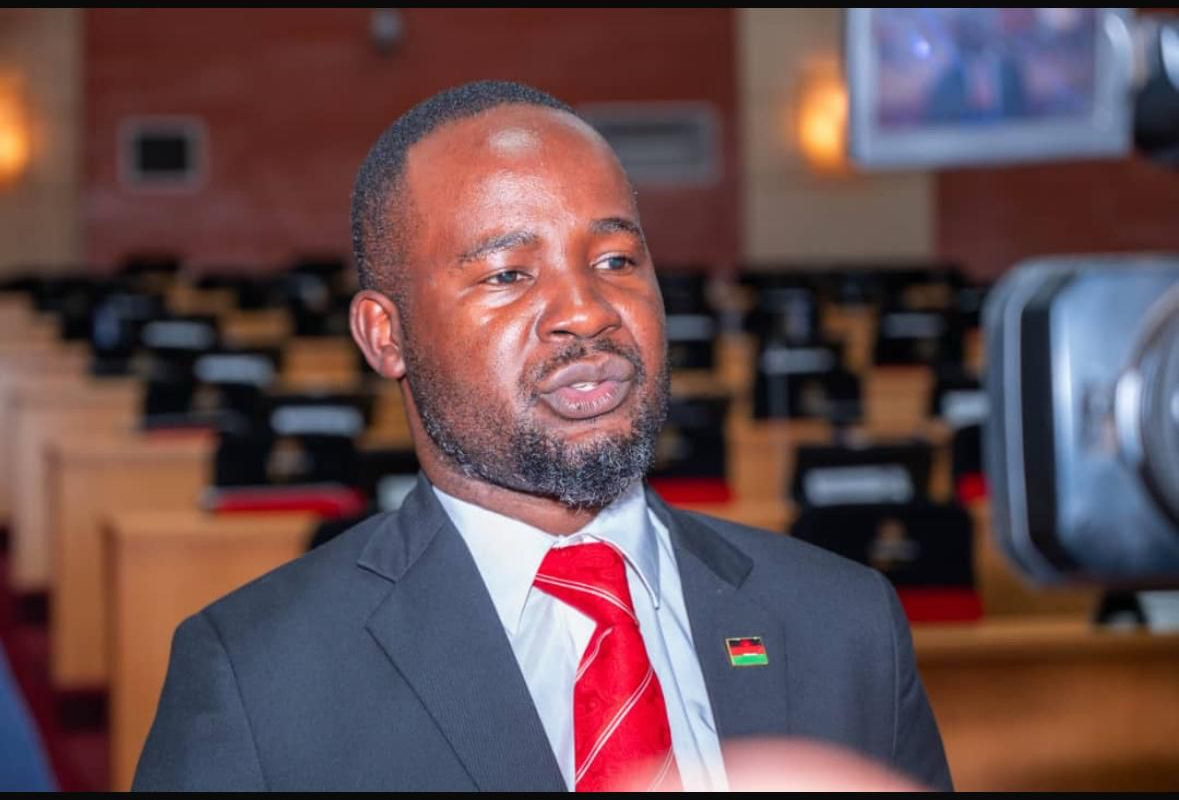
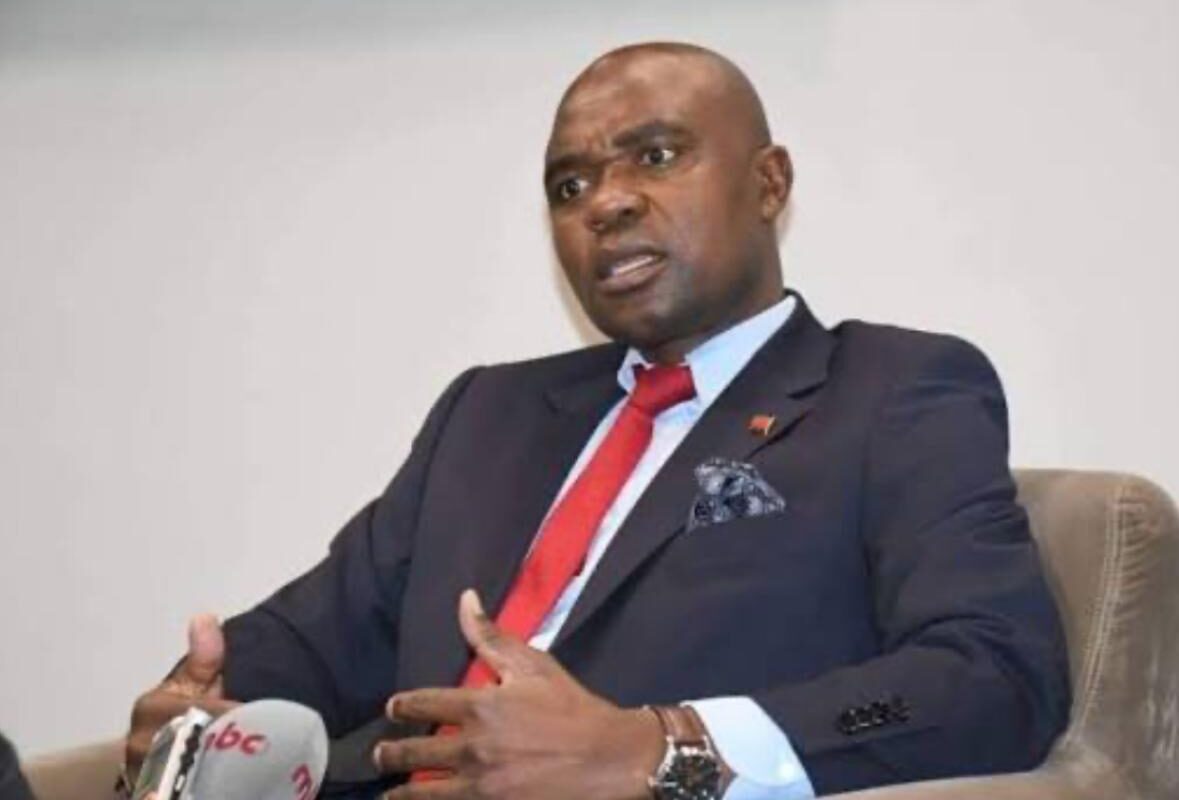
Chief Economist Doshanie Kadokera made the appeal during a budget consultation meeting with the Parliamentary Cluster Committee on Agriculture and Food Security and Natural Resources, Energy and Climate Change.
Kadokera said that in the 2026/27 fiscal year, the total budget allocation to the ministry’s two main sectors of agriculture and water has been set at MWK971 billion, representing only a 2 percent increase from the previous financial year.
However, he noted that despite increases in personal emoluments and development spending, the ministry has effectively experienced an overall budget reduction of about 9 percent, including a 10 percent cut in recurrent transactions.
“But we believe as a ministry that we can do more if additional resources are provided. We have several priority areas that, if supported, would significantly improve service delivery in the sector,” said Kadokera.
Among the key initiatives requiring funding is the revival of a land husbandry training centre in Zomba, which would require about MWK2 billion.
Kadokera also said the ministry needs MWK3.8 billion to improve animal production in order to help increase meat consumption levels to at least 15 kilograms per person annually.
On food security, he said while MWK60 billion has been allocated for maize purchases, the country’s Strategic Grain Reserve still requires additional resources.
“When we look at the current status of the Strategic Grain Reserve, we need to replenish maize stocks to ensure the country maintains an adequate buffer in case of unforeseen events,” he said.
Kadokera estimated that MWK105 billion would be required to build sufficient maize reserves.
The ministry is also seeking an additional MWK22.7 billion for seed production, on top of the MWK10 billion already allocated, to support increased seed supply and the Farm Input Subsidy Programme (FISP).
For FISP itself, Kadokera said the ministry requires an additional MWK121 billion to reach the targeted number of beneficiary households.
He added that a recent feasibility study has shown that Malawi has the capacity to establish its own fertiliser manufacturing plant.
“We have the raw materials needed to produce fertiliser locally. To operationalise these findings, we need about MWK500 million to facilitate the establishment of a fertiliser plant,” he said.
According to Kadokera, producing fertiliser locally would help the country reduce foreign exchange spent on imports.
Kadokera said the Department of Water Development also requires additional resources for various programmes and projects.
These include MWK158 million for general operational expenses, as well as funding for the Salima–Lilongwe Water Supply Project, where the government is expected to contribute about MWK9 billion.
The ministry is also seeking financing for several major infrastructure projects, including the Kolongo Multipurpose Dam, which requires about MWK33 billion to complete; the Lilongwe Water Resources Efficiency Project and the Karonga Town Water Supply Project.
Additional funding is also required for feasibility studies for proposed dams in Mzuzu and Mzimba District, as well as the Lilongwe Water and Sanitation Services Improvement Project.
Kadokera further noted that MWK10 billion is needed to clear outstanding obligations under the Program for Rural Irrigation Development, which is expected to close this year.
“If we can secure some of these resources, it will help the ministry implement the programmes planned for this financial year,” said Kadokera.
—
Also Read: FISP rollout worrying as only 65% of beneficiaries access inputs — Experts
Related: FUM pushes for inclusion of all farmers in Malawi’s FISP
Related: Malawi Mega Farms: Central Region gets 78% of inputs as loan defaults rise