Bold crackdown on corruption hailed as a turning point for fair access to public healthcare
By Edwin Mauluka
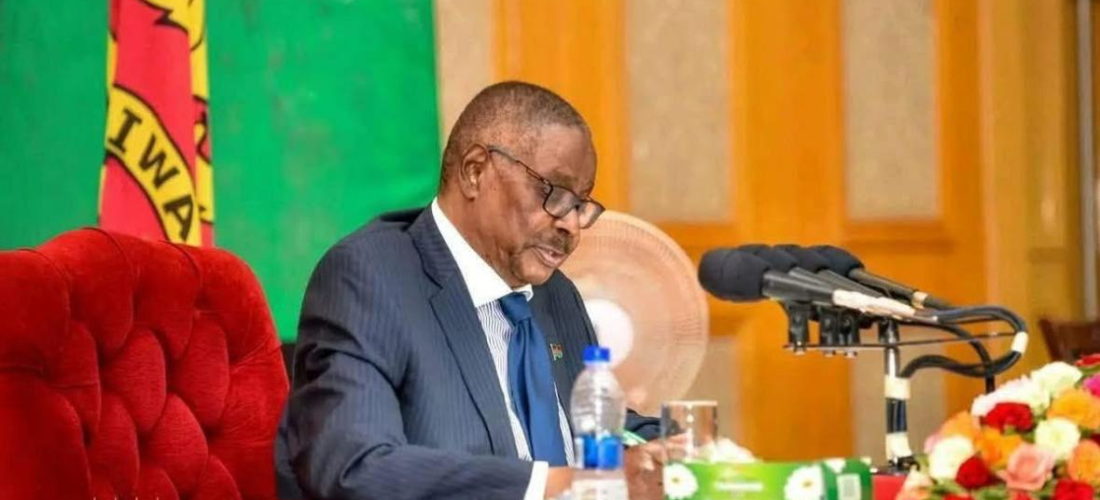
President Peter Mutharika has banned health workers in public facilities from charging patients for services meant to be free, describing the practice as “illegal and unethical.”
Through Executive Order No. 1 of 2026 on health services, dated February 16, Mutharika said the directive aims to safeguard citizens’ constitutional rights and restore integrity in the health sector.
The order follows a joint investigative journalism report by local media houses that exposed widespread abuse in public hospitals.
One outlet, the Platform for Investigative Journalism (PIJ), documented cases in which patients without money were left unattended for days, while those who paid were prioritised. One patient, Kumbukani Stafford, reportedly waited 24 hours at Queen Elizabeth Central Hospital despite having referral documents, only to be told his name was not in the system.
“Such conduct is unlawful, unethical, and wholly unacceptable,” said Mutharika. “It is an affront to the patient’s constitutional right to access health services.”
The order states that no employee of a government hospital or public health facility shall solicit, demand, or accept fees or favours from patients as a condition for treatment. Offenders risk summary dismissal and prosecution.
It also bars public health workers from owning, operating, or holding shares in private clinics or pharmacies. Those currently involved must divest within 30 days or face dismissal and legal action.
Mutharika said he is duty-bound to uphold the Constitution, which guarantees every citizen access to health services without discrimination.
The Malawi Health Equity Network (MHEN) welcomed the directive, describing it as a bold and long-overdue step to protect equitable access to public healthcare.
MHEN executive director George Jobe said the order addresses entrenched malpractice that has undermined trust and denied vulnerable citizens life-saving care.
“The prohibition of soliciting payments and the threat of dismissal and prosecution send a strong signal that corruption in the health sector will no longer be tolerated,” he said.
He added that restricting public health workers from owning private facilities tackles long-standing conflicts of interest that have weakened service delivery.
However, Jobe cautioned that enforcement will be critical, noting that past reforms have faltered due to weak oversight, political interference, and lack of protection for whistleblowers.
MHEN has called for clear and safe reporting mechanisms, public disclosure of disciplinary action, and stronger oversight by relevant institutions to ensure compliance. It also urged the government to address systemic issues such as poor working conditions, drug shortages, and weak supervision.
“Access to healthcare is a constitutional right, not a privilege for those who can pay bribes. This order must mark a turning point in restoring integrity and accountability,” Jobe said.
Health rights activist Maziko Matemba also welcomed the move, saying it reinforces Malawi’s commitment to Universal Health Coverage (UHC) by ensuring no one suffers financial hardship when seeking care.
He said the directive protects vulnerable citizens who have long been denied services or forced to pay before receiving treatment.
On the ban affecting health workers with private interests, Matemba said it should be seen as a necessary reform, noting longstanding concerns about absenteeism linked to private practice.
He further urged the government to explore sustainable health financing reforms, including establishing a National Health Fund and strengthening optional payment systems to improve service delivery and worker incentives.
—
Also Read: No sacred cows: Mutharika warns new deputy ministers against corruption
Related: Malawi introduces CDF guidelines, increases funding to MWK5 billion per constituency
Related: Malawi health in 2025: Major gains amid persistent medicine shortages