By Edwin Mauluka
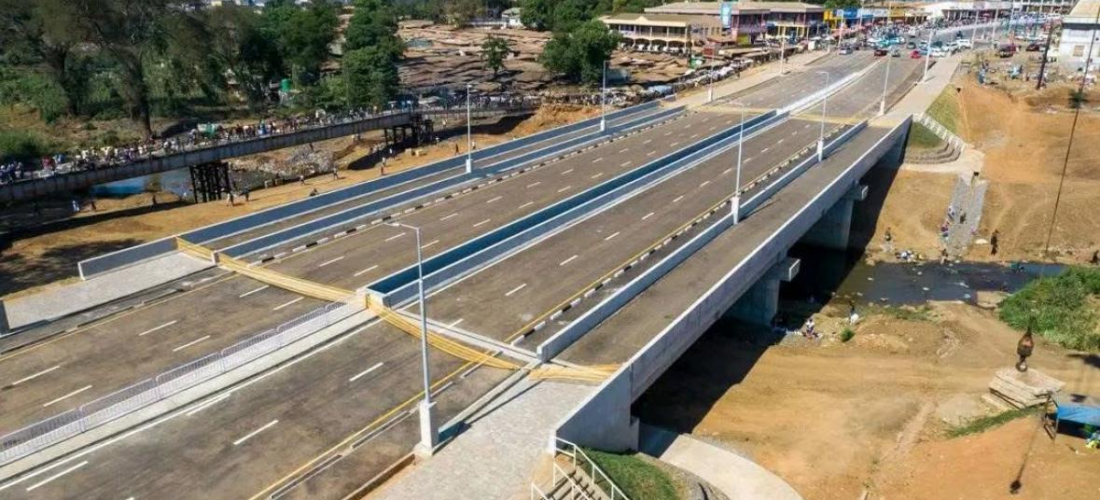
Japan’s Ambassador to Malawi has called on Malawians to take responsibility for maintaining the newly constructed Lilongwe Bridge and surrounding road infrastructure, stressing that proper care will ensure long-term economic benefits.
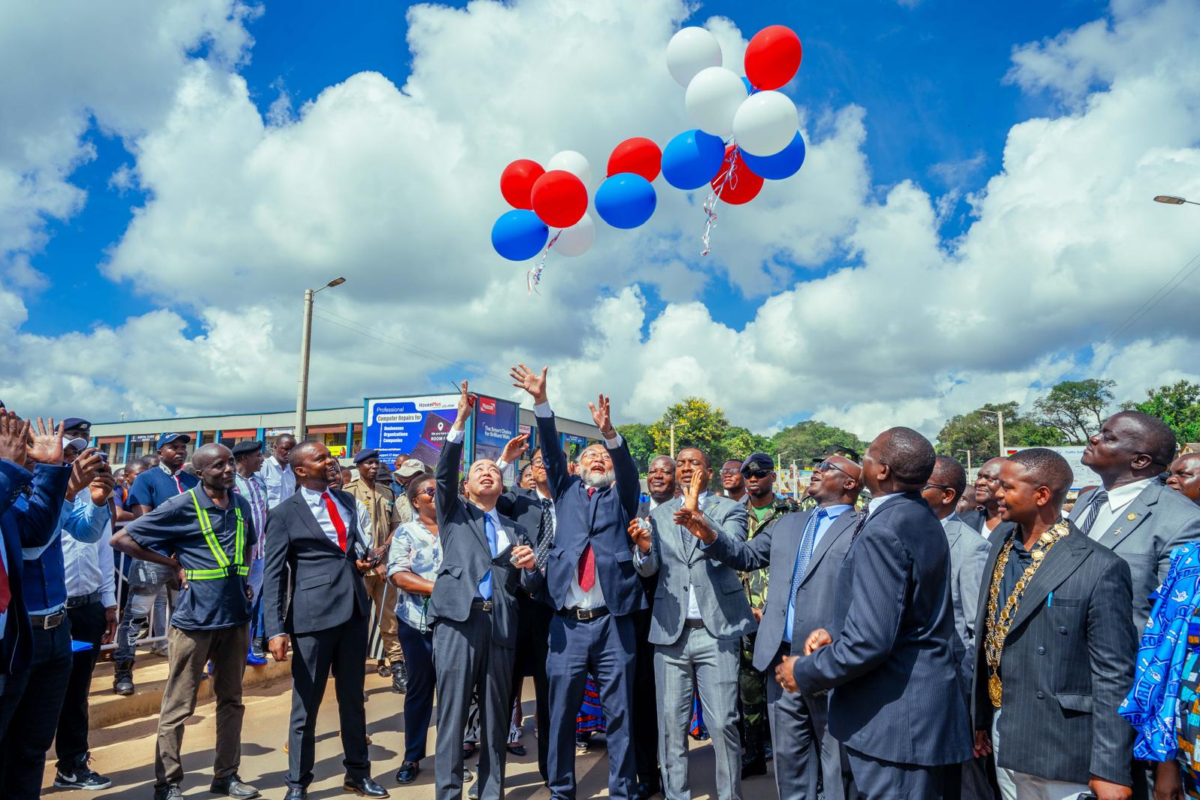
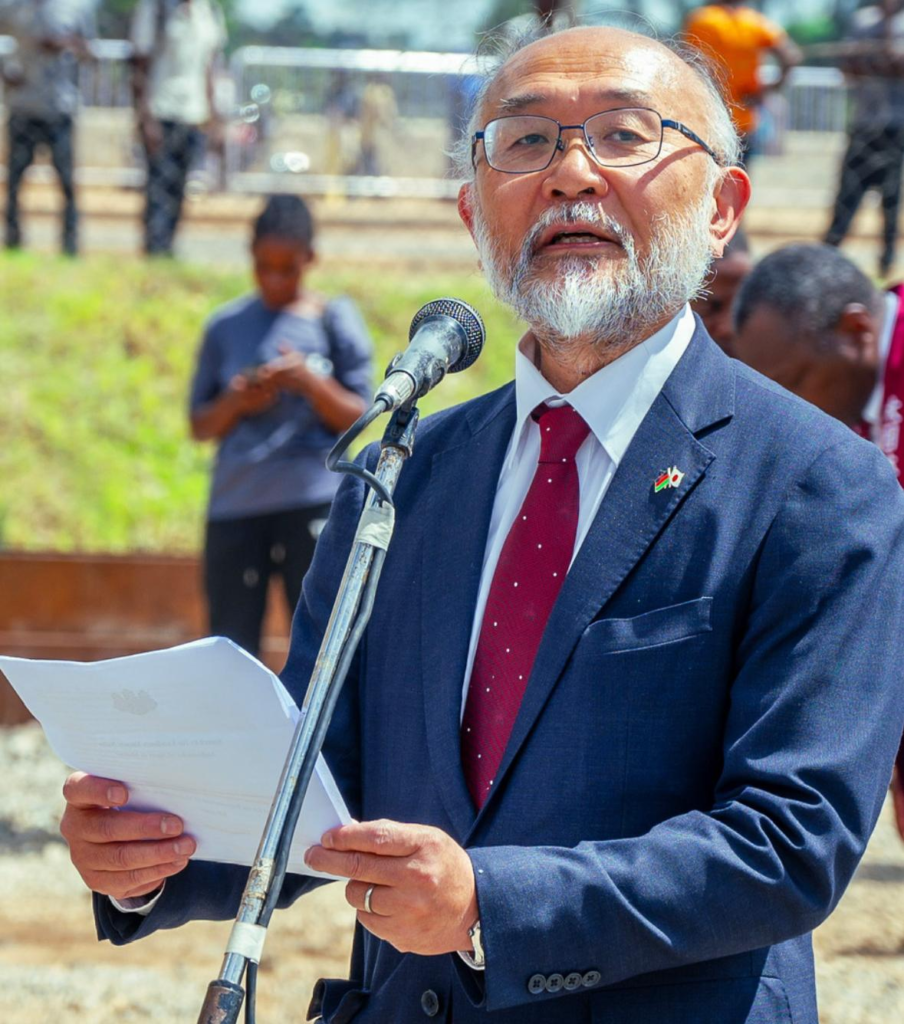
Speaking during the commissioning ceremony, Yasushi Naito said the Project for the Improvement of Main Roads in Lilongwe represents more than physical infrastructure.
“We place this infrastructure in the able hands of the people of Malawi,” Naito said. “May we collectively commit to its responsible use, care and maintenance so that its benefits serve generations to come. This highway is more than concrete and asphalt; it is a pathway to prosperity and human development.”
He said the expansion of the old Lilongwe Bridge into a modern, high-capacity structure addresses persistent congestion, daily delays and frequent traffic accidents that had undermined productivity and road safety in the capital.
Beyond the physical upgrades, Naito highlighted the project’s human capital benefits. Young Malawian engineers, technicians and skilled workers gained hands-on experience during the planning and construction phases, strengthening local expertise in infrastructure development.
Minister of Transport and Public Works Jappie Mhango echoed the ambassador’s call, urging citizens to protect the investment.
“These are our own assets. We must look after them and avoid vandalising road infrastructure. It is for our own good,” Mhango said.
Lilongwe City Mayor Alex Banda pledged stricter enforcement to keep vendors off the bridge and carriageway, warning that those found conducting business on the structure would face penalties.
The bridge, located along the M1 corridor, was constructed with financial support from the Japan International Cooperation Agency and forms part of Japan’s broader commitment to support Malawi’s infrastructure and regional connectivity under the Tokyo International Conference on African Development framework.
Japanese officials emphasised that while Japan builds to high standards of safety and durability, the long-term value of the investment depends on responsible use and sustained maintenance by Malawians themselves.
Vandalism of public infrastructure remains a persistent challenge for authorities in Malawi. Recent amendments to the Penal Code aimed at deterring offenders appear to have had limited impact, prompting some concerned citizens to call for tougher penalties for those who damage public assets or steal infrastructure materials.
—
Also Read: Japan hands over new Lilongwe Bridge, pledges stronger Malawi road connectivity
Related: Japan delivers double boost: School feeding for Mzimba, Lilongwe bridge for Malawi
Related: RFA says higher toll fees key to saving Malawi’s roads