By The Forum
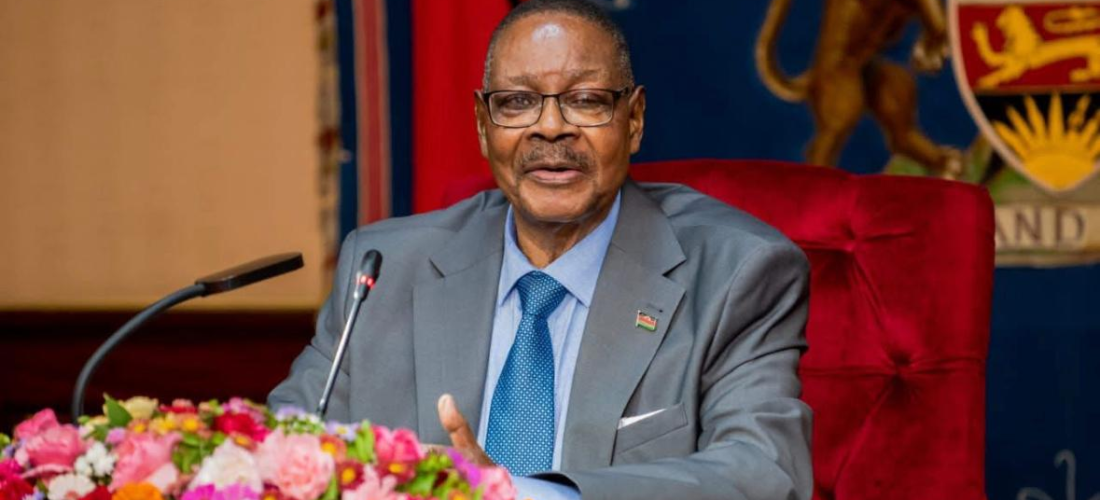
President Peter Mutharika has moved to dramatically slim down Malawi’s top civil service ranks, cutting the number of Principal Secretaries (PSs) from more than 80 to just 38 in what government officials say is a deliberate push for efficiency, accountability and tighter fiscal control.
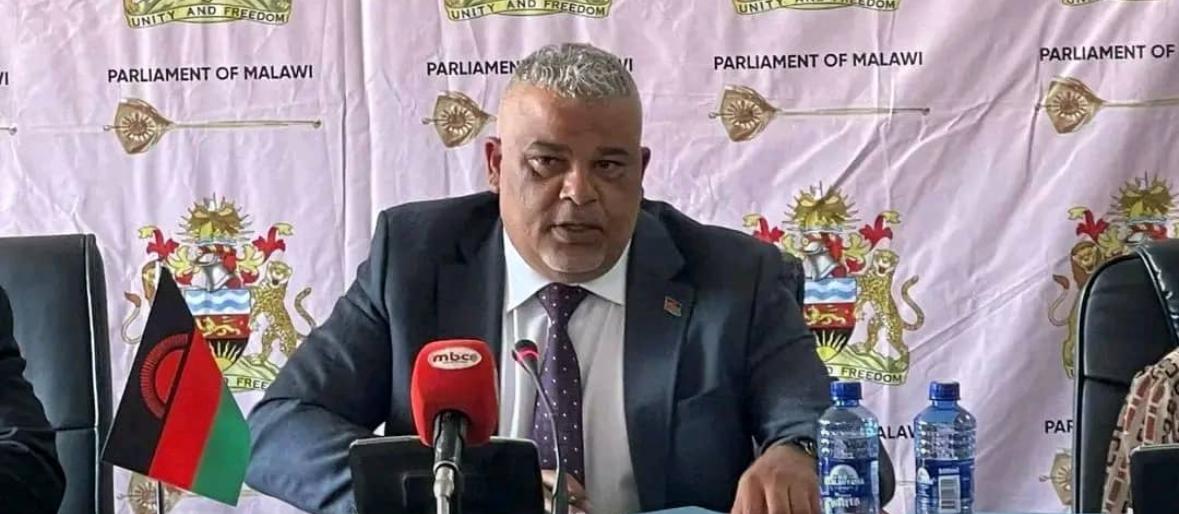
The decision, expected to save the government about K2.2 billion in salaries and fuel allowances, was announced Thursday in Lilongwe by Chief Secretary to the President Justin Saidi during an orientation meeting for principal secretaries and controlling officers on Public Finance Management, the Economic Recovery Plan and broader public sector reforms.
Saidi said the reduction is part of the administration’s wider governance and austerity agenda, aimed at streamlining decision-making, improving supervision and restoring discipline in the civil service.
“This is about alignment and doing what is necessary,” Saidi said. “We do not want to keep creating non-established positions everywhere. We want to work with positions that are properly established and allow those people to deliver.”
According to Saidi, several PS positions, which included ghost workers, had been created without clear justification, swelling the bureaucracy without improving performance. He said the Mutharika administration reviewed the roles and establishment structure of principal secretaries and concluded that many posts were unnecessary.
“They were put there to increase numbers for no reason at all,” he said. “When this government came in, it looked at the roles PSs actually perform and the establishment that exists.”
Saidi said the leaner structure is expected to strengthen accountability, accelerate decision-making and improve service delivery both in the short and long term. He stressed that the move is not temporary but a core reform under the Democratic Progressive Party (DPP) government, anchored in results-based performance and prudent use of public resources.
He also challenged controlling officers to fully embrace the president’s reform agenda, warning that entrenched bureaucratic habits continue to slow government processes and undermine public confidence.
Secretary to the Treasury Cliff Chiunda reinforced the austerity message, urging ministries and departments to strictly adhere to control measures already in place.
“You have seen us instituting strict austerity measures,” Chiunda said. “These include a freeze on recruitment, a freeze on procurement of high-value assets and vehicles, reduced foreign travel, and the implementation of a national economic recovery plan.”
After winning re-election in September, Mutharika — who first served as president from 2014 to 2020 — openly lamented what he described as the deterioration of professionalism in the public service and vowed to reverse the trend.
Critics have long argued that standards within Malawi’s civil service began declining after the transition from a one-party state to multiparty democracy in 1994, a shift that brought new freedoms but also weakened institutional discipline. Similar concerns have been raised about declining standards in education, infrastructure development and health services.
Whether the sharp reduction in top civil service posts translates into tangible improvements in governance and service delivery will now be closely watched, both within government and by a public fatigued by bloated bureaucracy and poor results.
—
Also Read: Austerity to save Malawi MWK44 Billion, Finance Minister fells Parliament
Related: Poof! Ansah’s UK trip blows a hole in Mwanamvekha’s austerity pledge
Related: HRDC challenges austerity claims, demands audit of Mutharika, Ansah junkets