
NEWS ANALYSIS | The Forum
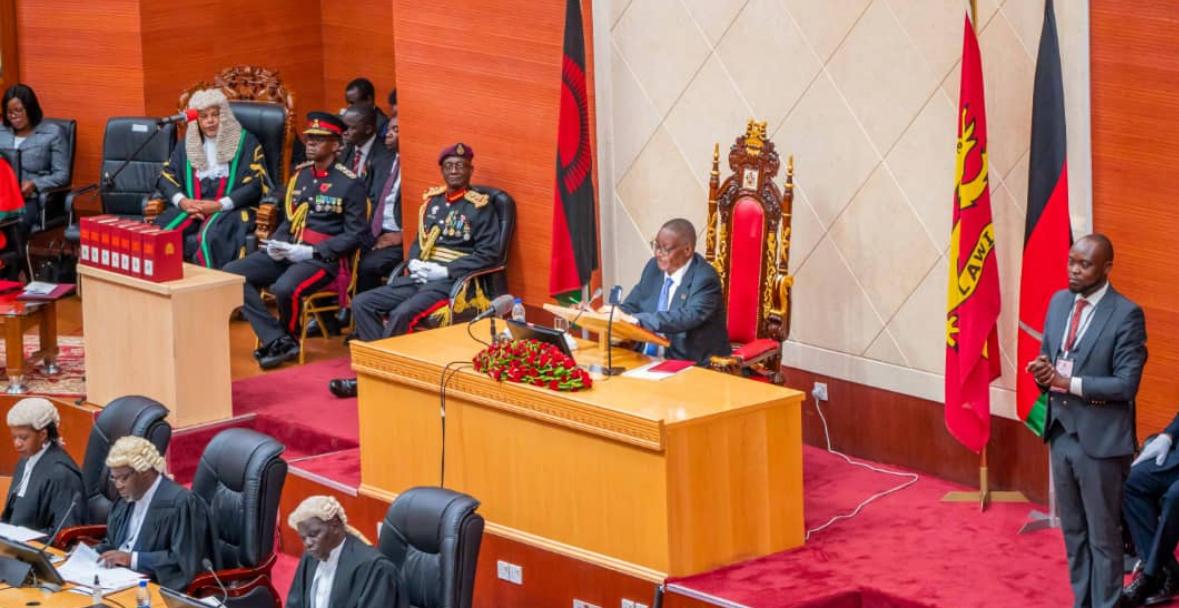
The Constituency Development Fund (CDF) Amendment Bill passed 199–0, with all MPs present, women included, voting in favour. Yet the debate that preceded the vote exposed an uncomfortable truth: women legislators were almost entirely absent from the floor while male MPs aggressively pushed for parliamentary control of the fund, brushing aside concerns raised by civil society, local government representatives, and the media.
Their silence was striking not because women lacked opinions, but because the debate revealed exactly why more vocal female participation is needed. CDF remains highly vulnerable to abuse, and decisions about who controls it shape development outcomes in every constituency. But on a matter so central to accountability, gender equity, and community priorities, women’s perspectives were missing.
This contrast becomes sharper when set against the substantive, issue-driven contributions many women MPs made elsewhere during the just-ended parliamentary session. Their interventions reveal what Malawi loses when women are sidelined from major debates: a different kind of politics; one that is problem-solving rather than posturing, inclusion over entitlement.
Below is a summary of what leading women MPs said, and what their voices suggest about the kind of Parliament Malawi could have if women were fully empowered to participate in all debates, including the contentious ones.
Deborah Moyo: A call for gender balance in debate
Chitipa North MP Faless Deborah Moyo delivered one of the session’s clearest statements on women’s democratic inclusion. Rising on a point of order, she challenged the First Deputy Speaker for recognizing only male MPs during debate on the presidential statement.
“No woman has spoken since morning… We need to balance it up so that women can also speak in this August House.”
Her intervention underscored the structural issue: with only 48 women out of 229 MPs, representation is already thin, but participation is even thinner when presiding officers fail to ensure equal access to the floor.
Moyo’s broader contributions — calling for quality control in free education, abolition of discriminatory school fees, and mandatory schooling to curb early marriage — demonstrated the practical, community-centred lens women bring to governance.
Catherine Gotani Hara: Economic realism and continuity over partisanship
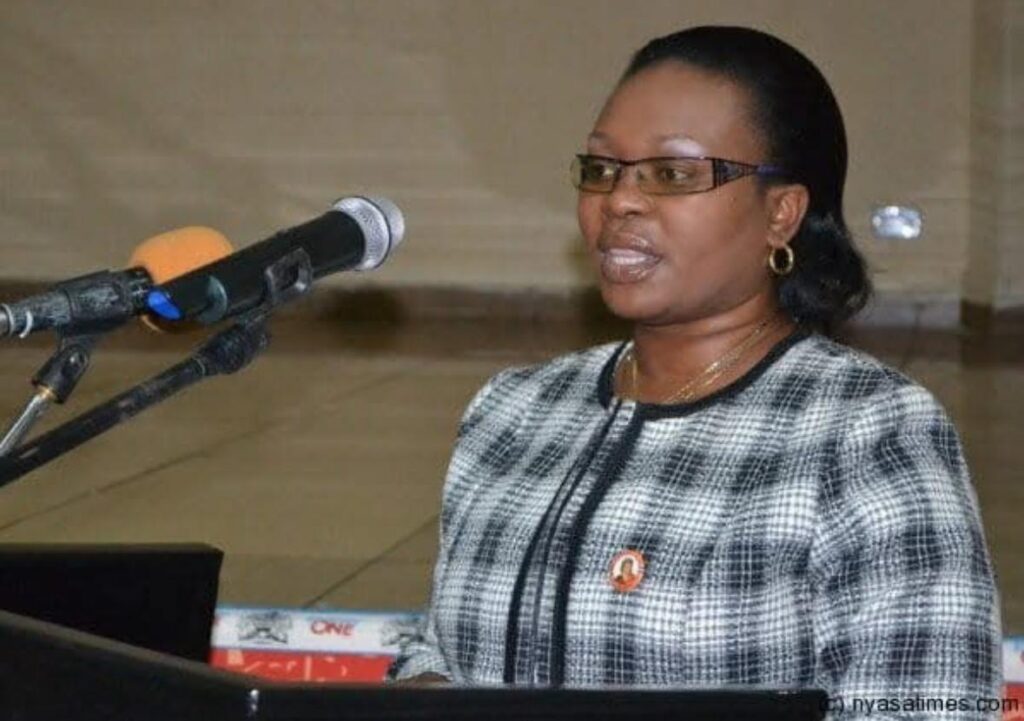
Former Speaker and Mzimba North East MP Catherine Gotani Hara provided a masterclass in development-focused debate.
She urged President Mutharika not to discard effective MCP-era policies, warning against politically motivated discontinuity:
“He shouldn’t throw away the baby with the bathwater.”
Hara also confronted Malawi’s widening trade gap — US$3.3 billion in imports against US$970 million in exports — arguing that no government can succeed without transforming agricultural productivity.
On agriculture, she championed practical reforms: manure production, gypsum application, and better extension services. She welcomed the expanded CDF but pushed for its use in production, not consumption, calling for deliberate policies to channel government spending toward wealth creation.
Her contribution was everything the CDF debate was not: data-driven, forward-looking, and grounded in economic reality.
Mary Navicha: Strong stand on disability rights and albinism protection
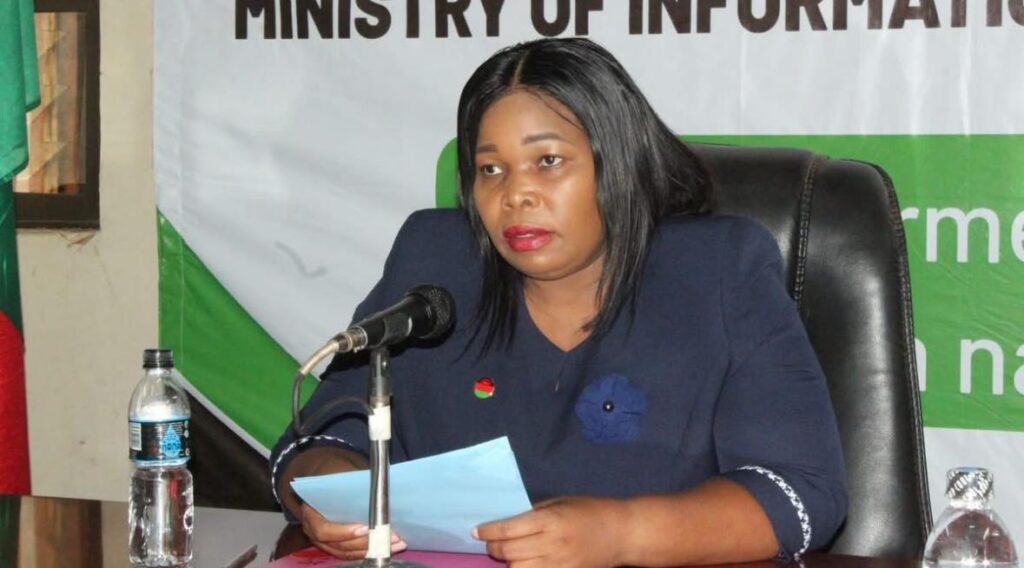
In her ministerial statement, Gender Minister Mary Navicha issued one of the session’s strongest warnings:
“Once we catch you, it is over for you! We will make sure that you don’t exit the doors of jail.”
She outlined reforms to strengthen protection for persons with albinism and pushed for disability-inclusive infrastructure, reminding councils that inaccessible buildings violate the law. Navicha also urged MPs to allocate part of the CDF to disability-focused initiatives, again, a concrete proposal that would impact the community.
Women MPs on education: Quality, funding and accountability
Women legislators were especially active in scrutinizing the rollout of free primary and secondary education.
- Gotani Hara pressed the Ministry of Education for quality assurance mechanisms, warning that “numbers without quality” would fail the next generation.
- Maureen Chitsulo Chirwa welcomed the removal of the school development fund but demanded timely government funding to prevent school disruptions.
- Monica Chayang’anamuno sought clarity on tuition obligations ahead of the January 2026 transition.
These interventions focused on outcomes for learners and not political point-scoring.
Women in opposition push for fiscal discipline
Independent Rumphi East MP Sithandiwe Chapinduka Kondowe endorsed austerity and pressed the opposition to present people-centred alternatives instead of simply criticizing government performance. She grounded her contribution in Malawi’s fiscal reality:
“This budget reflects Malawi’s difficult economic situation and tries to balance social and economic needs.”
Roza Mbilizi: Accountability and sharp criticism against MCP
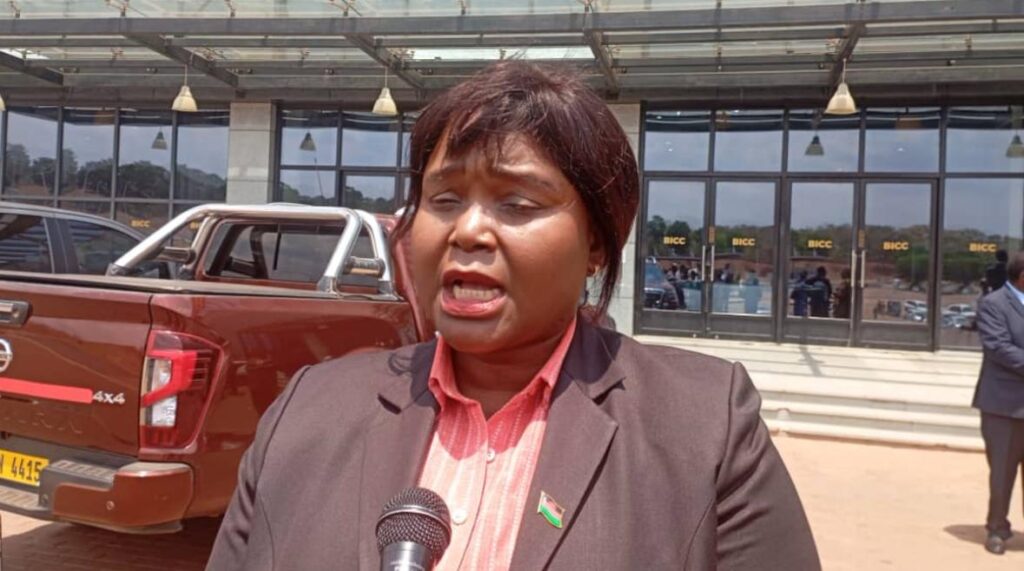
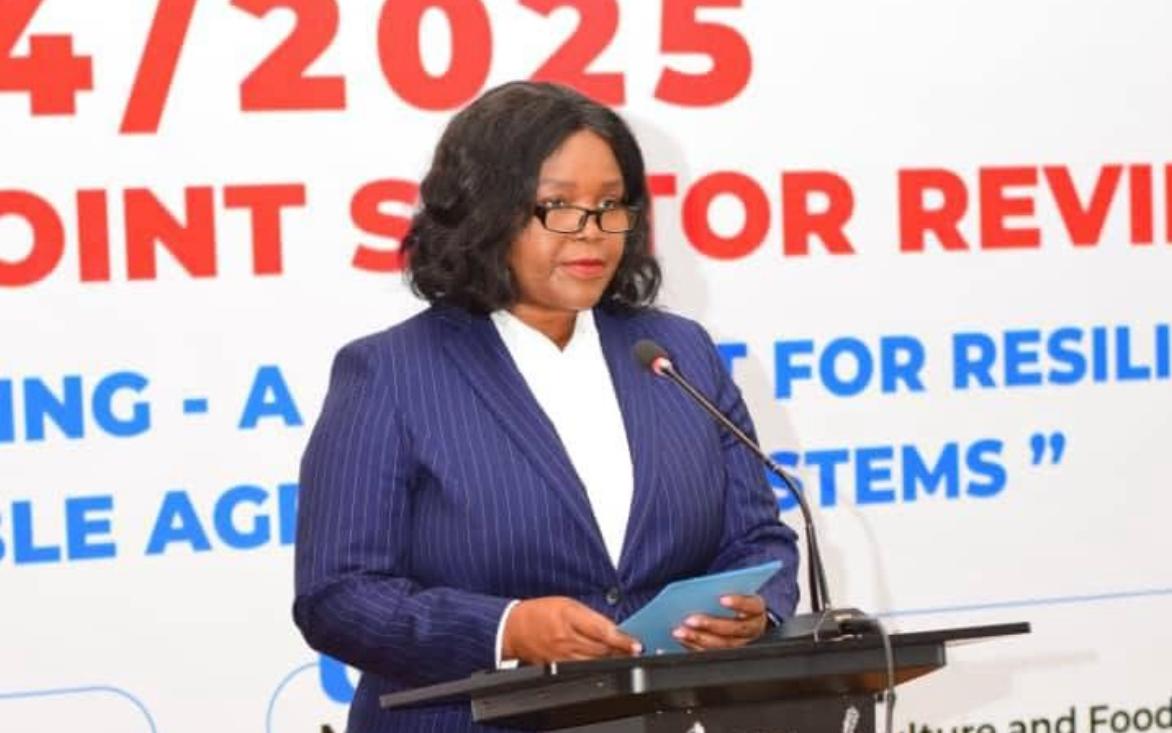
Agriculture Minister Roza Mbilizi exposed failures in the previous administration’s mega farm inputs programme, revealing that non-farmers received inputs and resold them.
She insisted that MK4 billion in unpaid funds must be recovered by December 2025, warning that the law will take its course.
Her parting shot to the opposition:
“Sit down, relax, and watch what it really takes to run a government.”
She was blunt, direct, and once again, sharply different from the evasiveness that characterized the CDF debate.
What Malawi lost when women went silent on the CDF
The CDF debate was the perfect opportunity for women MPs to shape the direction of a fund that affects school construction; boreholes and water supply; youth and women’s loans; disability-inclusive infrastructure and community development priorities.
However, women were practically absent from the debate that handed MPs expanded control over a fund long criticized for abuse.
Their silence was not due to lack of capacity or interest, as their interventions elsewhere showed, but perhaps due to: a male-dominated debating culture that sidelines women; gatekeeping by presiding officers; political pressure not to oppose party lines or lack of deliberate strategies to empower women to intervene in high-stakes debates.
The contrast can’t be any clearer: When women speak, they focus on real issues such as quality education, economic reform, disability rights, and accountability. When they are silent, Malawi gets a poorer debate and poorer decisions.
If Malawi wants a new kind of politics that is progress-oriented, inclusive, and grounded in community needs then it needs women not just present in Parliament, but fully participating in every major debate, especially those tied to resources and accountability.
—
Also Read: Malawi minister warns: ‘You will rot in jail’ for attacks on persons with albinism
Related: Malawi opposition MPs pressure DPP govt for tough economic reforms
Related: Malawi budget revision pushes expenditure to K8.589 trillion as deficit widens