Civil society warns proposed amendment risks undermining court ruling and enabling abuse of public funds.
By Edwin Mauluka
Thirteen local non-governmental organisations have demanded the withdrawal of the proposed Constituency Development Fund (CDF) Amendment Bill, warning that it undermines constitutionalism, weakens local governance, and threatens accountability in the use of public resources.
The Constitution (Amendment) Bill, 2025 — gazetted on 21 November — seeks to redefine MPs’ roles in the CDF. But the NGOs fear it will overturn a recent High Court ruling that stripped MPs of their primary responsibility over local development planning and removed their voting rights in district councils.
The High Court declared the previous CDF guidelines unconstitutional, noting that MPs’ dual roles placed them in both the legislative and executive arms of government, violating the principle of separation of powers.
Despite this ruling, Parliament recently adopted a Private Member’s Motion calling for a new legal framework governing the CDF. Civil society groups say the move is a thinly veiled attempt to restore the very powers the court removed.
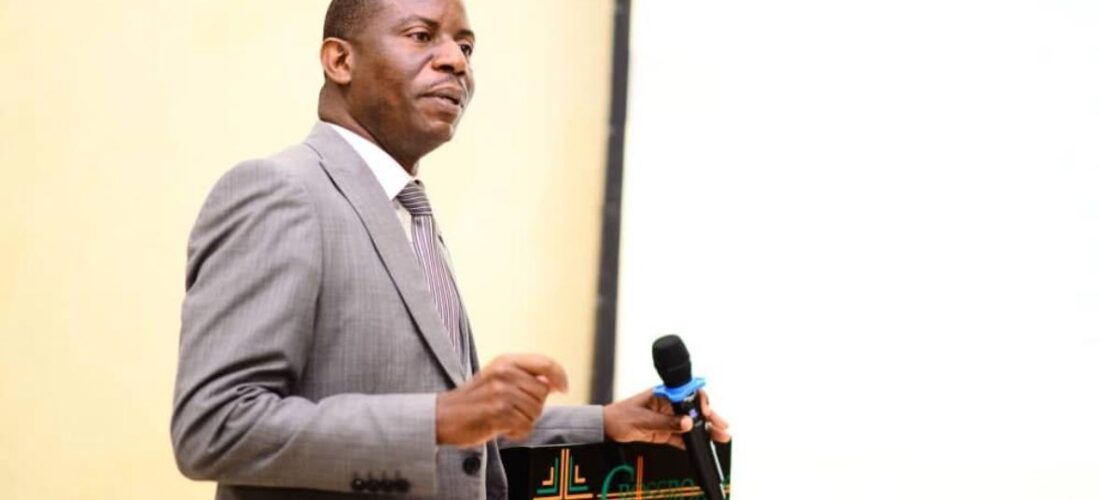
“It is sad that they want to rewrite the Constitution for partisan convenience and hand Members of Parliament unchecked authority over public resources,” said Benedicto Kondowe, chairperson of the civil society groupings. “It is an assault on constitutionalism, a betrayal of judicial authority, and a blatant attempt to entrench political control over development financing.”
The NGOs argue that the bill represents a serious breach of Malawi’s constitutional order and sets a dangerous precedent where political actors can undo judicial decisions whenever they stand in the way of political interests. Kondowe said granting MPs renewed control would centralise development power in Parliament and sideline the very institutions created to manage local development, a mandate that cannot be altered without a national referendum.

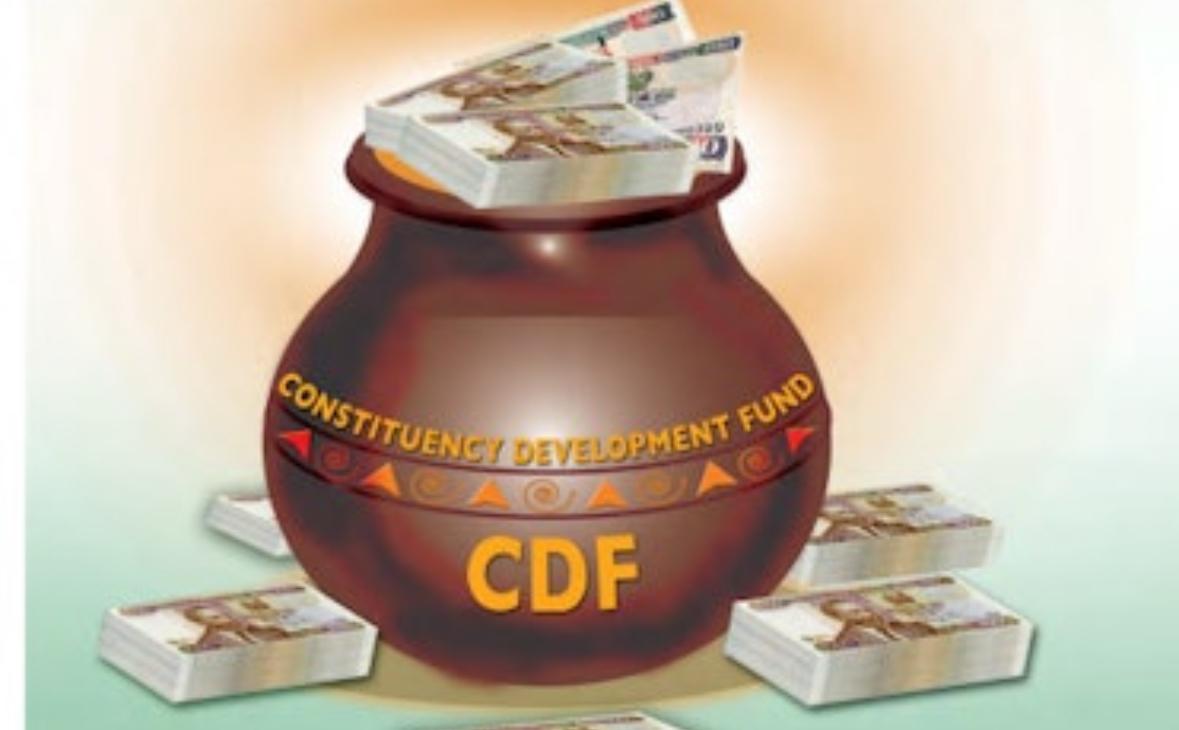
The push for constitutional change comes as government plans to increase CDF allocations from MWK200 million to MWK5 billion per constituency starting April 2026.
“Giving MPs full authority over such vast sums without the administrative, technical or accountability structures needed to safeguard them creates fertile ground for corruption, patronage and political manipulation,” Kondowe warned.
He said the CDF has long been marred by ghost projects, biased allocation, procurement irregularities, and misuse of funds, and elevating these weaknesses into the Constitution amounts to “fiscal recklessness disguised as reform.”
Hadrod Mkandawire, Executive Director of the Malawi Local Government Association, also pointed to legal inconsistencies in the draft bill, including the creation of a constitutional fund without specifying which institutions would manage it, vague principles lacking enforcement mechanisms, and provisions that contradict the Public Finance Management Act, the Local Government Act, and procurement laws.
The organisations further fault MPs for presenting the bill as a Private Member’s Bill, arguing that it lacks the national consultation required for any constitutional amendment that fundamentally alters Malawi’s governance framework.
“We urge citizens to remain vigilant and take lawful civic action, including peaceful demonstrations, public presence in Parliament during the tabling of the bill, and readiness for constitutional litigation, to defend the Constitution and protect public resources,” said Mkandawire.
The CDF was introduced in the 2006/07 financial year to empower local stakeholders to identify and implement community development projects.
The 13 organisations are: National Advocacy Platform (NAP), Malawi Local Government Association (MALGA), Centre for Social Accountability and Transparency (CSAT), Malawi Economic Justice Network (MEJN), Catholic Commission for Justice and Peace (CCJP), National Anti-Corruption Alliance (NACA), NGO Gender Coordination Network (GCN), Centre for Human Rights and Rehabilitation (CHRR), Nyika Institute, Youth and Society (YAS), Centre for Civil Society Strengthening (CCSS), Youth Decide Campaign (YDC), and Community-Based Organisations Coalition (CBOC).
—
Also Read: Jere to table CDF amendment bill as debate intensifies over MPs’ powers
Related: Don’t allow Malawi lawmakers to control Constituency Development Fund
Related: Malawi Parliament moves to strengthen CDF oversight with new legal framework