
NEWS ANALYSIS | The Forum
The Malawi Congress Party (MCP) says it will be a “loyal opposition,” one that builds instead of causing destruction. A noble pledge, if only its own history didn’t cast a long shadow.
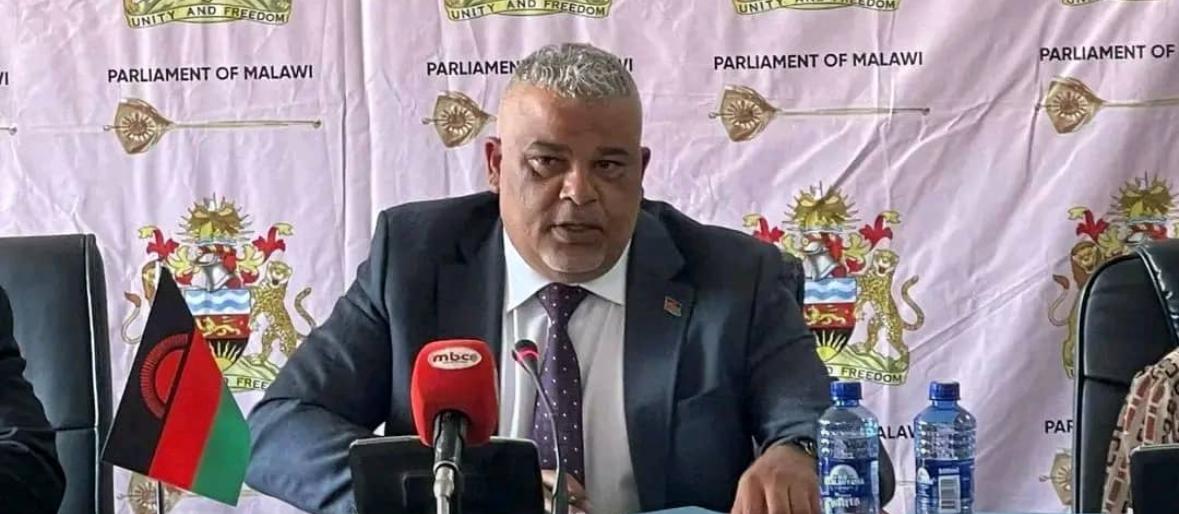
Leader of Opposition and former finance minister Simplex Chithyola made the declaration in Parliament this week, vowing to “offer constructive alternatives” and “support policies that serve the national interest.” Yet in almost the same breath, he accused the new Democratic Progressive Party (DPP) government of worsening fuel shortages, blackouts, and water problems, the same crises that defined MCP’s own five-year rule.
This is where the hypocrisy cuts deep. How can a party blame its successor for the very mess it left behind? MCP was given a second chance in 2020, after three decades out of power, and blew it. The court-ordered re-run that revived its fortunes has now ended in a voter verdict that sent it back to the opposition benches. And back to denial.
Chithyola went further, accusing the DPP of abusing executive power through unprocedural appointments at the Anti-Corruption Bureau and the Malawi Revenue Authority. Yet during MCP’s tenure, political loyalty routinely trumped merit, and accountability stopped at the party gate.
He also faulted the DPP’s maize import deal with Zambia, calling it “buying back our own maize at exorbitant prices,” and criticized the Farm Input Subsidy Program for reduced fertilizer allocations yet both problems that thrived under MCP itself.
The turning point came when Chithyola defended suspects accused of unleashing violence ahead of the September elections. The attacks targeted civil society and opposition supporters. He condemned the arrests and alleged police brutality, arguing that “justice must never be politicized.”
“You watched them attacking people here at Parliament, and your administration never acted. Were you sending them?”
Lawmakers across the aisle were quick to remind him of the irony. Zomba Malosa MP Grace Kwelepeta, whose vehicle was vandalized during one of the incidents, shot back: “You watched them attacking people here at Parliament, and your administration never acted. Were you sending them?” Mwanza Central MP Felix Njawala added, “Is it in order for somebody with dirty hands to demand equity?”
Outside Parliament, citizens called it what it was: selective outrage. “You failed to act until citizens kicked you out,” wrote one social media user. Another said MCP’s defense of the suspects was “proof the party never changed.”
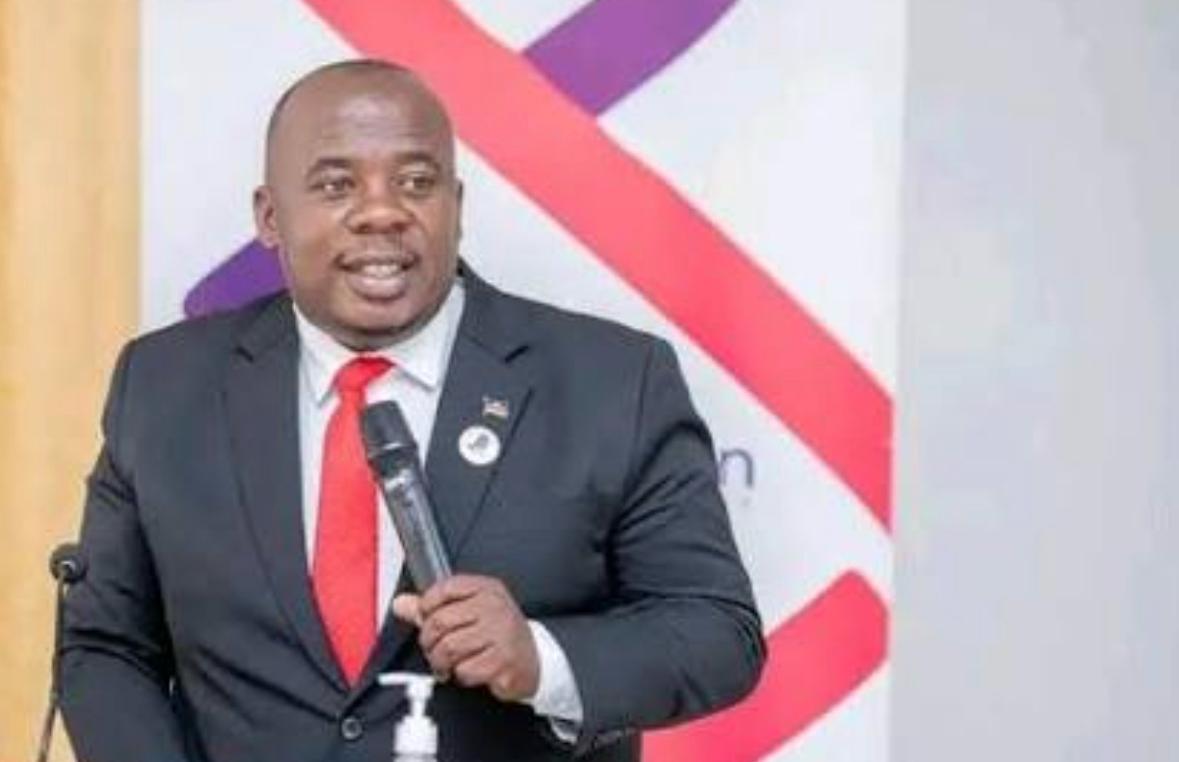
Chithyola is not alone. MCP Publicity Secretary Jessie Kabwila has echoed his defense of the suspects, attending their court sessions and issuing statements accusing the DPP of using the justice system to persecute opponents. Kabwila, never known for restraint, is simply saying out loud what her party quietly believes. What’s that? That those accused of political violence deserve sympathy, not scrutiny.
Police say 17 suspects remain in custody in connection with the violence, which involved weapons like pangas and left property damaged. Some face charges including arson, grievous harm, and robbery. Kabwila’s call for independent investigations into alleged torture struck many as hollow, coming from a party that once dismissed human rights concerns as “political propaganda.”
This episode reveals the MCP’s enduring problem: an inability to confront its past. The same party that ruled with an iron fist for 30 years after independence, and spent another 30 in exile, remains trapped in its old instincts. Power softened its rhetoric, not its behavior.
True to its old form, the party is defending those who used violence to stop others from dissenting. Malawians gave the MCP another chance to govern after half a century of lessons it should have learned. Instead, it fell back into denial and self-justification.
History, it seems, is repeating itself — only this time, the excuses sound more polished. The MCP talks reform, but its reflexes remain authoritarian. Power didn’t change it. Losing it might not either.