By The Forum
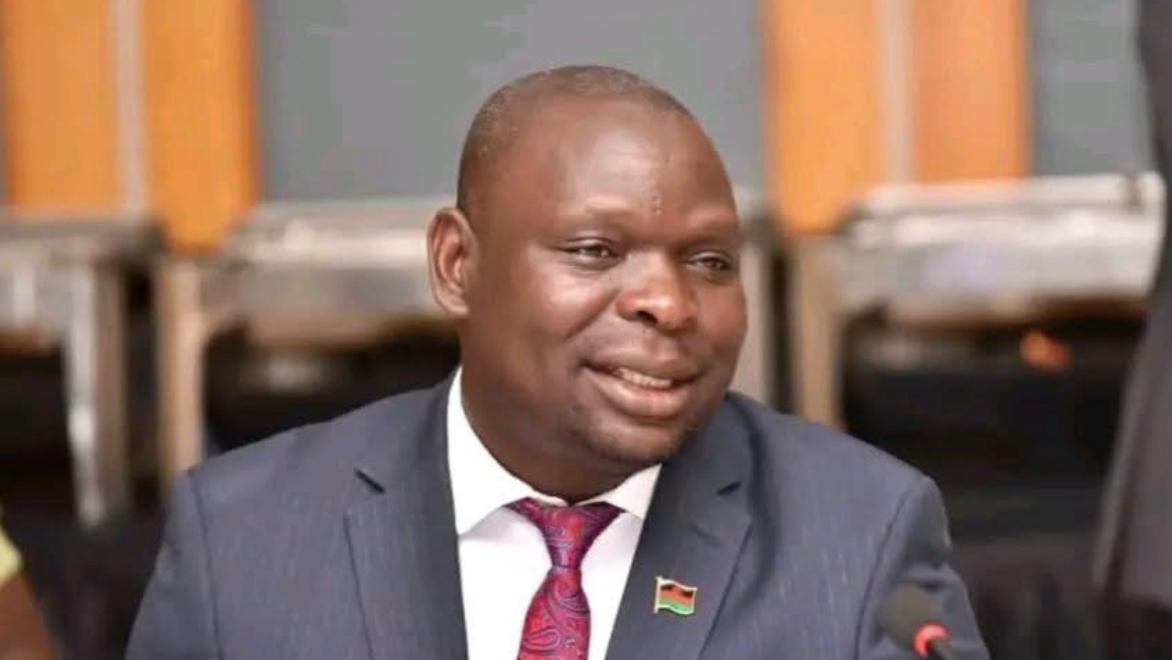
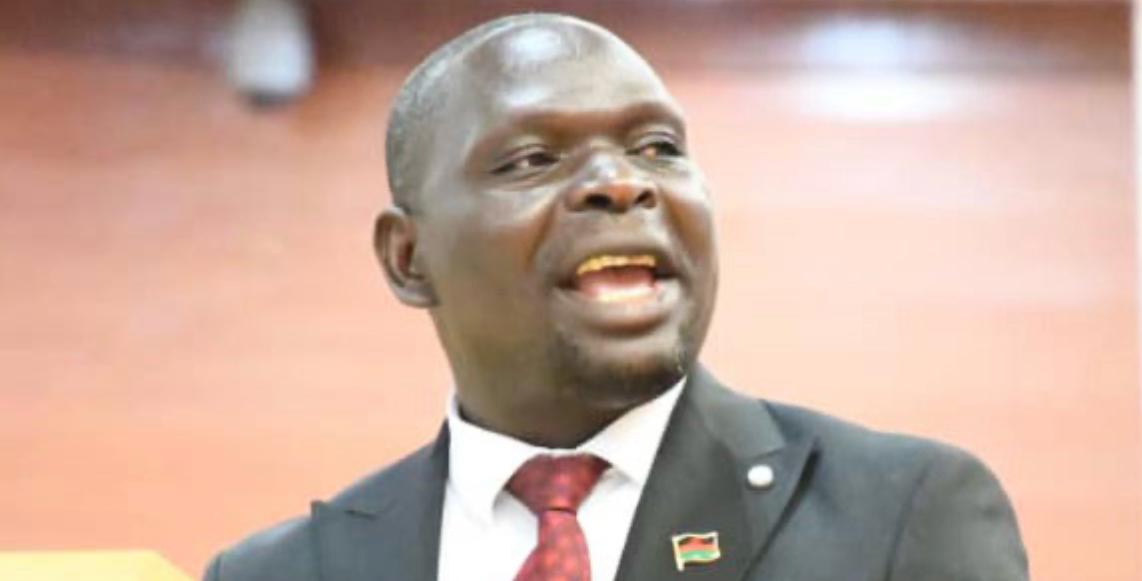
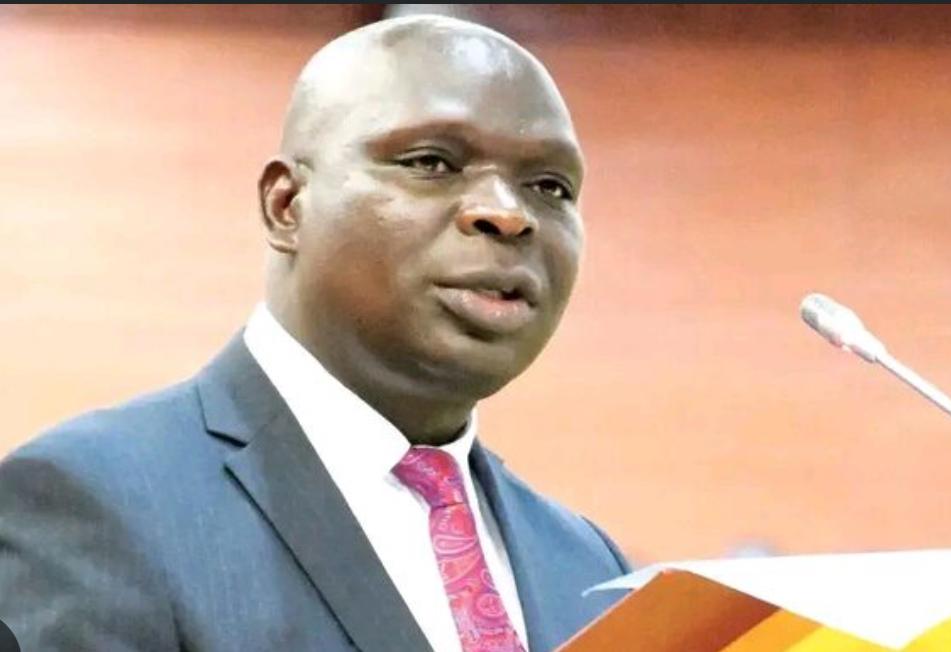
The honeymoon may be short for newly elected Kasungu South legislator Simplex Chithyola. As Parliament prepares for its swearing-in ceremony on October 27, the former finance minister faces a court battle that could redefine the limits of political generosity in Malawi.
The High Court will deliver its ruling on November 3 in an election challenge that civic groups say could set a precedent for tackling vote-buying. The outcome could either uphold Chithyola’s narrow victory or send voters back to the polls.
At the heart of the dispute is Bishop Joe Manguluti, an independent candidate who lost to Chithyola by just over 500 votes in the September 16 elections. Manguluti claims the contest wasn’t won through ideas or popularity but through “cash and coercion.”
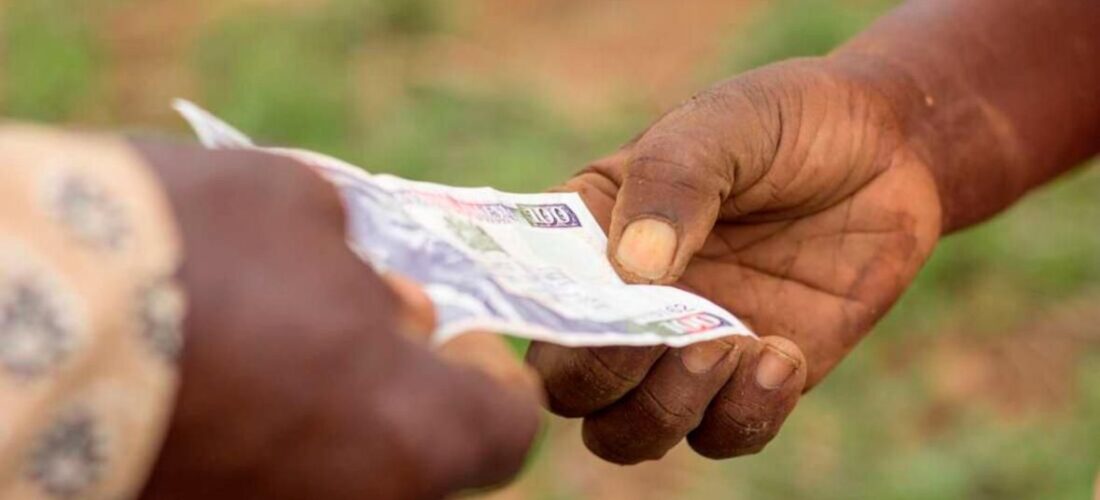
In his petition, Manguluti accuses Chithyola of handing out cash gifts — K50,000 and K10,000 — to traditional leaders, teachers, and youth groups during the campaign. Also, he alleges that voters were warned their ballots could be tracked and that they would have to repay the money if they voted otherwise.
“It was not an election,” the petition says. “ it was intimidation disguised as generosity.”
If proven, the allegations could strike at the heart of Malawi’s democracy and challenge a culture where handouts are not seen as tools of manipulation but often seen as tokens of goodwill.
According to official results, Chithyola won 12,349 votes to Manguluti’s 11,817, a margin so slim that even small irregularities could tip the scales. Yet for now, he remains MP, with the Malawi Electoral Commission confirming no injunction stands in his way from performing his duties.
During earlier hearings, Chithyola’s legal team—led by lawyer Wapona Kita—attempted to have the petition dismissed on technical grounds, arguing that Manguluti used the wrong name in the filing. Judge Redson Kapindu, however, refused to throw out the case, instead reprimanding both sides for procedural delays and ordering them to pay costs.
Legal wrangling aside, the case has sparked a wider national debate over “handout politics”—a long-standing feature of Malawi’s elections that critics say erodes accountability and entrenches dependency.
Civic groups warn that unless the courts take a firm stand, the country risks normalizing corruption under the guise of charity.
“This case could be a turning point,” said one political analyst. “If the court upholds the petition, it will send a strong message that money cannot buy democracy. If not, it may confirm what many Malawians already suspect—that elections are for sale to the highest bidder.”
As the November 3 ruling approaches, tension is mounting in Kasungu South. For Chithyola, a politician long praised for his grassroots touch, the very generosity that won him supporters could now unravel his career.
Whatever the court decides, one thing is clear: Malawi’s culture of handout politics is finally being scrutinized.