By Edwin Mauluka
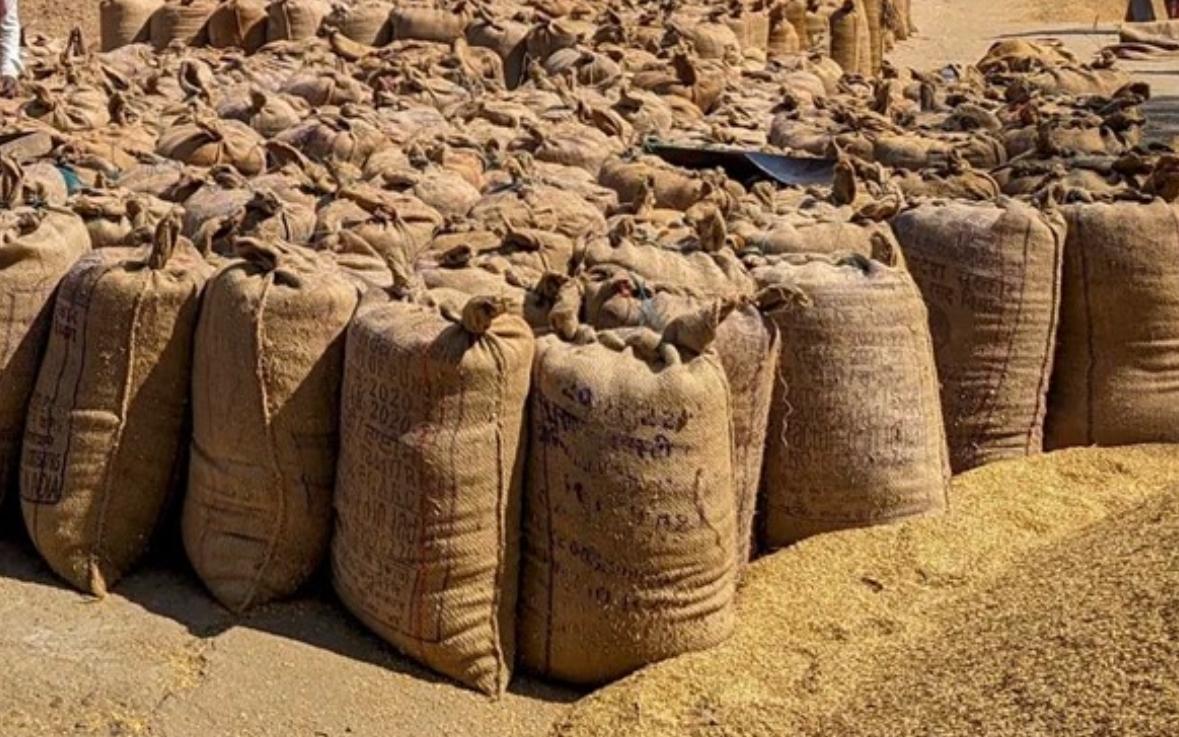
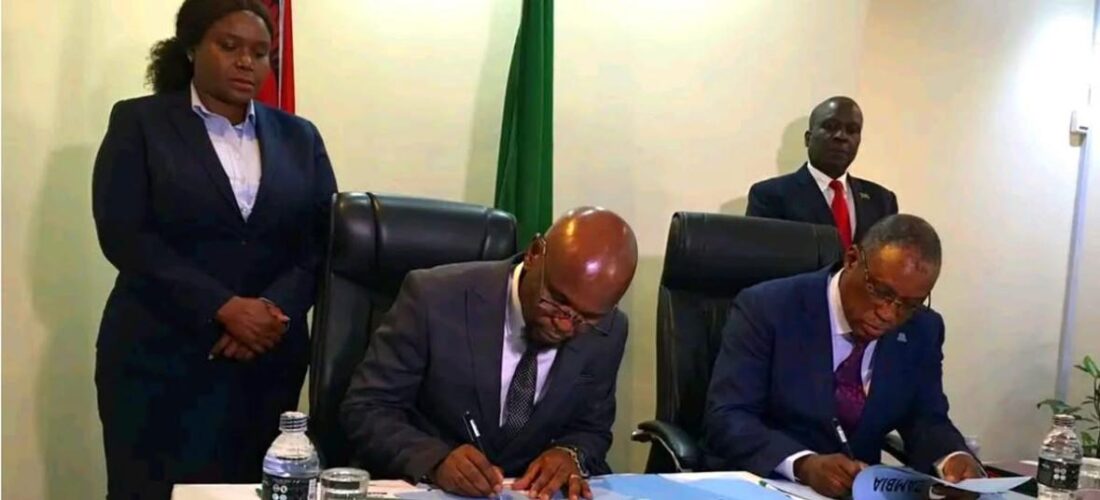
Malawi and Zambia have signed a government-to-government agreement for the supply of 200,000 metric tonnes of maize to help ease food shortages affecting about four million Malawians.
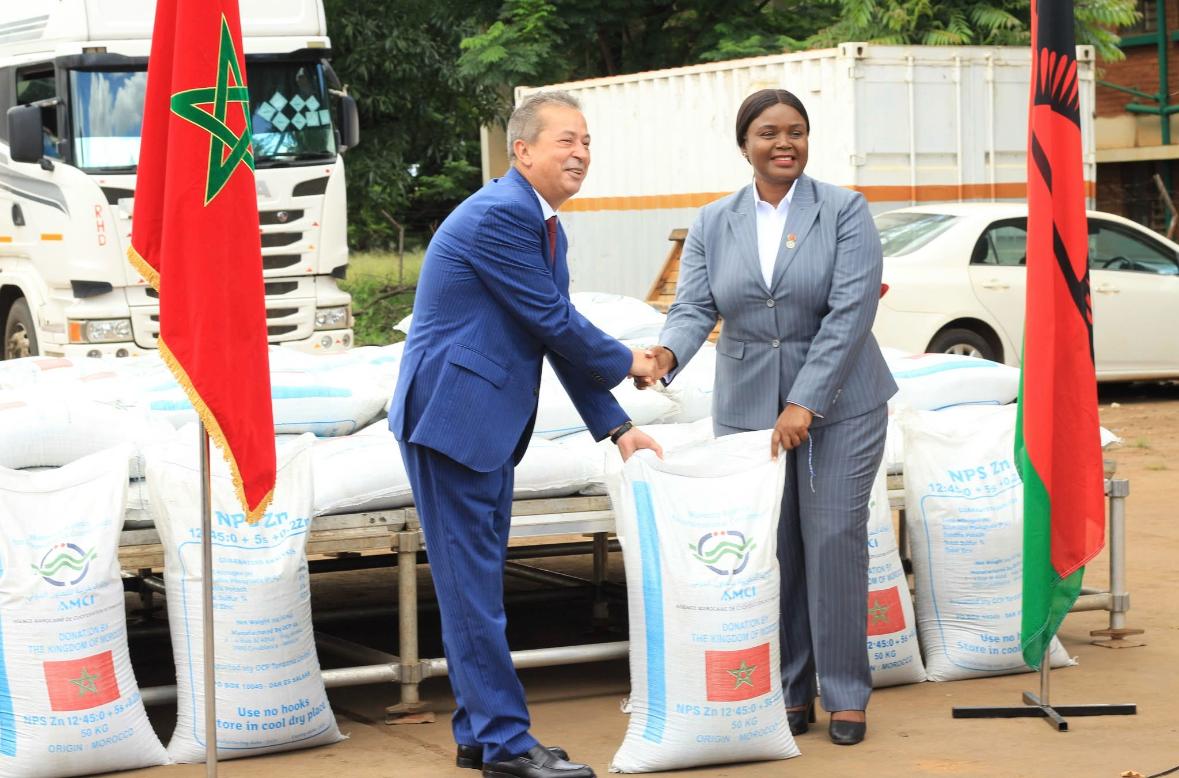
The deal, worth US$77 million, was signed in Lilongwe between the two countries’ national food reserve agencies and witnessed by Malawi’s Minister of Agriculture, Irrigation and Water Development, Roza Mbilizi, and Zambia’s Minister of Agriculture, Reuben Mtolo Phiri.
The 2025 Food Security Vulnerability Assessment by the Malawi Vulnerability Assessment Committee (MVAC) indicates that around 4 million people, representing 22 percent of the population, will be unable to meet their food needs during the 2025/2026 lean season, which runs from October to March. The government estimates MK387.2 billion will be required to procure the maize.
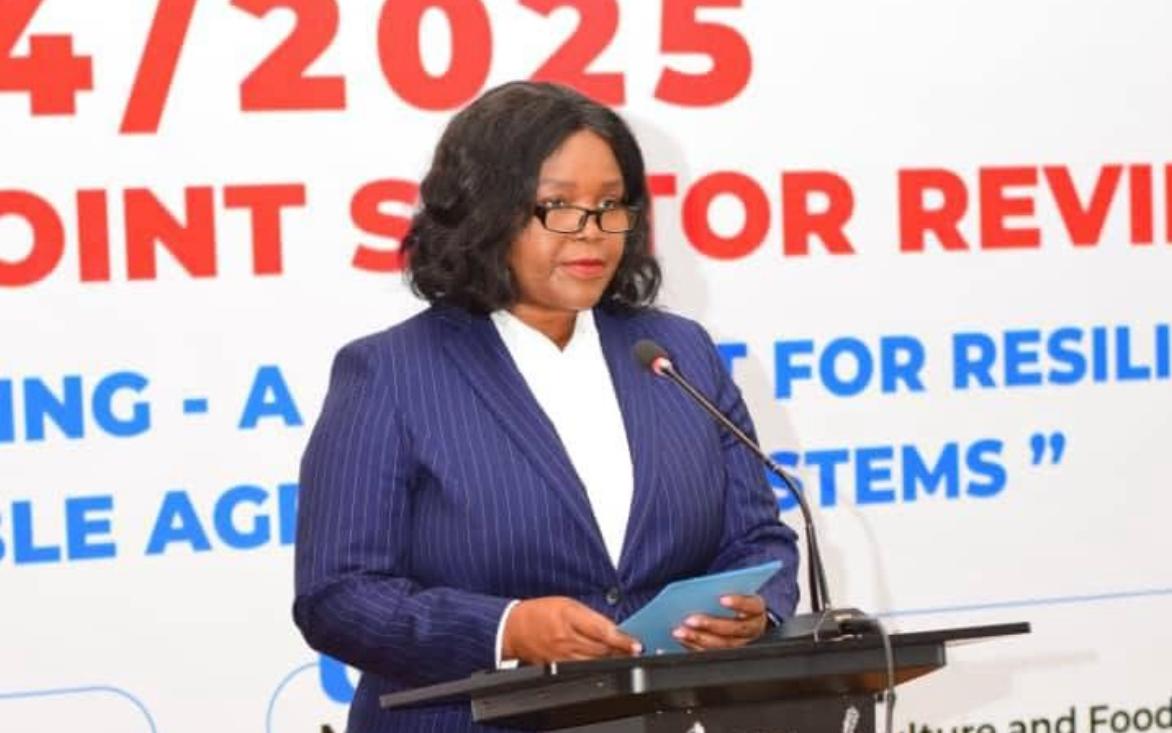
Speaking after the signing, Minister Mbilizi said Malawi is facing hunger due to two consecutive poor farming seasons. She said the new administration plans to invest in irrigation farming and strengthen the Agricultural Development and Marketing Corporation (ADMARC) to increase maize availability and affordability.
“Addressing food insecurity is a top priority for President Peter Mutharika,” Mbilizi said. “Once the maize arrives this month, it will be sold at affordable prices to ensure vulnerable households can buy.”
Her Zambian counterpart, Mtolo Phiri, said Zambia is ready to supply the grain and that the deal was a demonstration of regional solidarity.
“We cannot watch our neighbor suffer hunger when we have enough maize,” Phiri said. “Chipata, which is just over 100 kilometers from Lilongwe, has an abundance of maize and we are ready to deliver high-quality grain within the month.”
Meanwhile, the International Fund for Agricultural Development (IFAD) has announced a US$3 million grant to support Malawi’s fertilizer program aimed at strengthening food security and agricultural productivity.
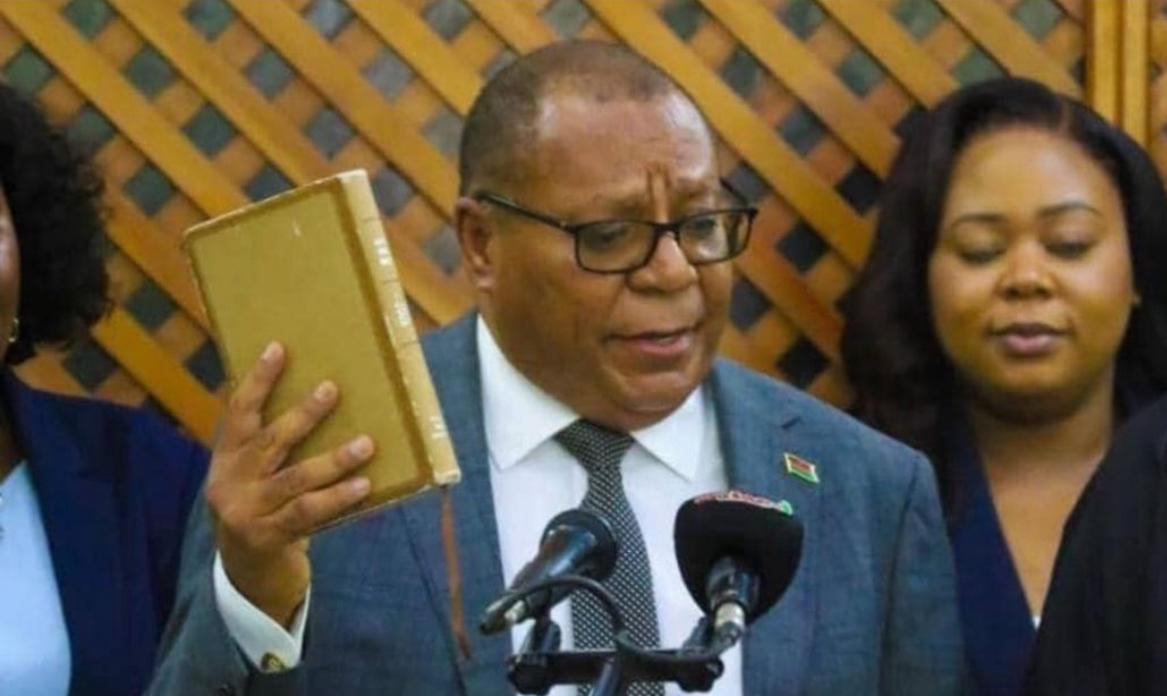
IFAD Country Director Bernadette Mukonyora made the announcement after meeting Malawi’s Minister of Foreign Affairs, George Chaponda, in Lilongwe on Tuesday. She said IFAD maintains an active investment portfolio in Malawi valued at about US$450 million, focused on rural transformation and agricultural development.
Chaponda thanked IFAD for its continued partnership and reaffirmed the government’s commitment to improving food security, expanding access to finance, and empowering rural communities, especially women and youth.
According to the MVAC report, 3.9 million people facing food shortages live in rural areas, while about 64,000 are urban residents. The report calls for urgent humanitarian action to close food consumption gaps, protect livelihoods, and prevent acute malnutrition.
Additionally, it warns that about 6 million people—representing 33 percent of the national population—require long-term support in disaster risk reduction and resilience building.