By Edwin Mauluka
About four million Malawians, roughly 22 percent of the population, are facing acute food insecurity, according to the 2025 Malawi Vulnerability Assessment Committee (MVAC) report conducted between June and July this year.
The affected households, mostly in rural areas, are expected to struggle during the 2025/2026 lean season, which runs from October to March, when food stocks run low and prices rise sharply.
According to Minister of Finance, Economic Planning and Development Joseph Mwanamveka, the food assistance will be required for three to six months to support people in Phases 3 (Crisis) and 4 (Emergency) of food insecurity — categories that call for immediate humanitarian aid to prevent severe hunger and malnutrition.
The report also highlights another six million people, about a third of the population, classified under Phase 2 (Stressed), meaning they have enough food for now but are unable to meet other essential needs without resorting to negative coping mechanisms.
“The government profoundly appreciates the concerted efforts of all stakeholders in addressing this situation,” Mwanamveka said in a statement.
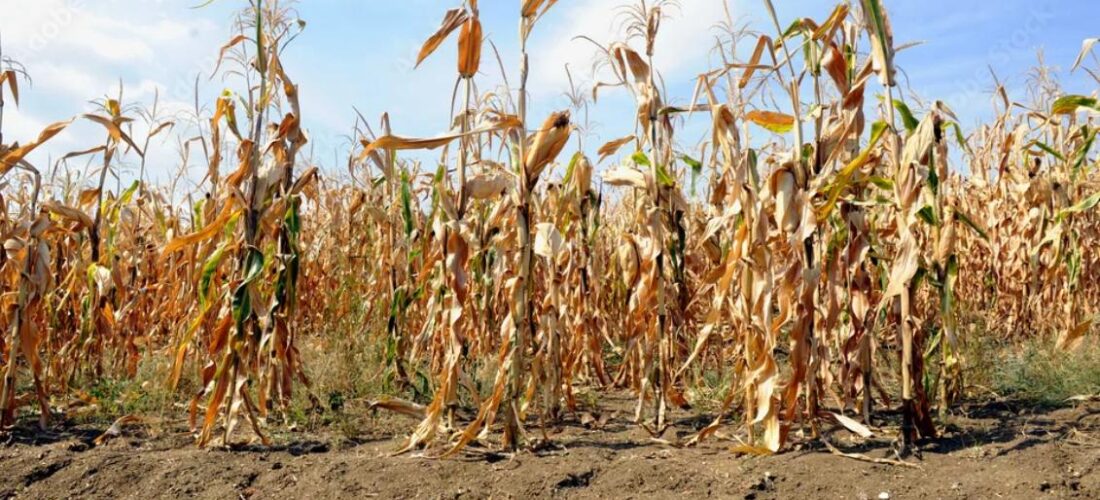
Agricultural policy expert Dr. Tamani Nkhono-Mvula said the figures are credible and could increase due to last year’s poor harvests, warning that Malawi’s heavy dependence on rain-fed maize farming has left millions vulnerable.
“The majority of farmers did not harvest as expected,” he said. “This year’s figures point to a significant national food deficit.”
As an immediate measure, he proposed importing maize from Zambia, Tanzania, and Kenya, where there were surplus yields last year. However, he noted that irrigated production was no longer a realistic short-term fix.
“Even if we plant early-maturing varieties, it’s too late in the season,” he said. “Preparations now should focus on the coming rains.”
For long-term solutions, Nkhono-Mvula urged government and development partners to diversify food production systems and promote diet diversity.
“When we talk about hunger, we often limit it to maize,” he said. “But food security is also about nutrition and dietary balance. We need to promote crops like cassava, millet, sorghum, rice, beans, and fish-based diets.”
He added that regions such as Nkhotakota, Nkhata Bay, and Chitipa, where residents rely on a broader range of foods, rarely report hunger cases.
The expert also called for market reforms to ensure that surplus maize from northern Malawi can be efficiently distributed to deficit areas in the south and east, where food insecurity is most severe.
“Functional markets and transport systems can help balance supply across the country,” he said. “If ADMARC and private traders work properly, we can prevent localized hunger.”
—
See in People’s Forum Rethinking food: Make rice, cassava and potatoes staples of Malawian diet.