OPINION|GUEST ESSAY|Nkhondo Lungu
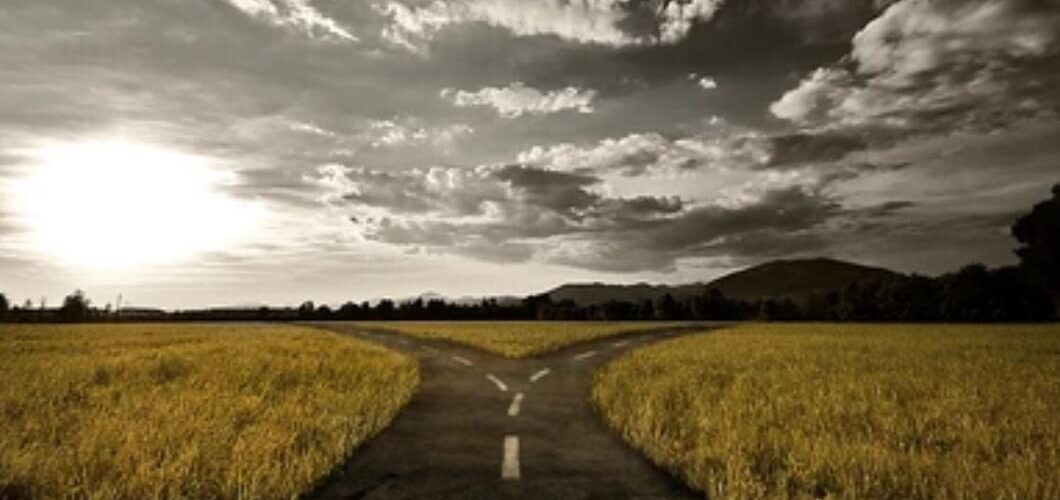
Malawi’s political landscape has reached a defining crossroads. The yearning and struggle for democracy that stirred the hearts of many during Dr. Kamuzu Banda’s one-party rule have brought both progress and peril. The hard-won freedoms that came with multiparty democracy have not always been matched with responsibility — and it is this imbalance that threatens to erode the very gains our nation fought for.
Democracy with responsibility — a principle often invoked but rarely practiced — means that while citizens have the right to express themselves freely, they also bear the duty to protect and strengthen the democratic system that grants those freedoms. It is a shared project between the state and its citizens, a two-way street where both must uphold their end of the bargain.
Elected leaders are accountable to those who choose them. In a healthy democracy, citizens can remove leaders who fail to deliver, question policies, and demand better governance. But this relationship depends on mutual respect, civic maturity, and transparency. Government decisions must be open to scrutiny, and access to information must remain a right, not a privilege.
Yet, as the democratic space has expanded, so too has the noise. The rise of social media has transformed how we communicate and how politics is practiced. Platforms such as Facebook, X (formerly Twitter), TikTok, and YouTube have given citizens unprecedented power to speak out, but they have also unleashed waves of misinformation, personal attacks, and reckless commentary.
Some use these platforms to engage in constructive debate and civic education. Others, unfortunately, use them to troll, defame, and spread lies. The temptation to distort facts for likes or political points has weakened public discourse. What should be tools for civic engagement have instead become arenas of hostility, where shouting the loudest often passes for leadership.
“Being the loudest voice online doesn’t make you the wisest in a democracy.”
Criticism is not the enemy of democracy — it is its lifeblood. But criticism that lacks substance, civility, or integrity poisons the well. It is one thing to question policy; it is another to attack individuals for who they are rather than what they do. Respectful dissent strengthens democracy. Personal vilification corrodes it.
Equally, government intolerance toward peaceful protest or differing political views runs counter to democratic values. A state that fears dissent betrays its own constitution. But citizens who weaponize freedom of speech to sow division or hatred are just as dangerous. Both sides must remember that democracy without responsibility is chaos in disguise.
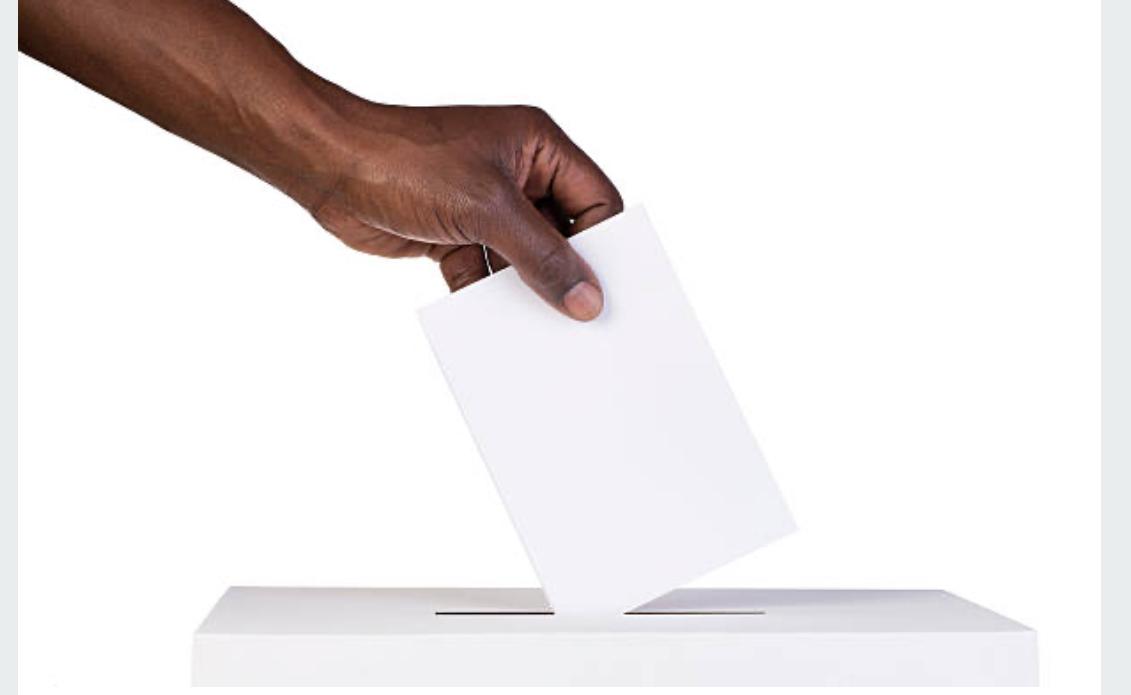
Malawi’s democracy is still young, and like any young system, it is fragile. It requires nurturing through accountability, dialogue, and trust. Responsible citizenship means not just voting every five years, but participating constructively every day — in communities, workplaces, churches, and online spaces.
We must remind ourselves that the transition from one-party rule was neither easy nor inevitable. People sacrificed careers, families, and even their lives to make sure Malawi could speak freely. That freedom came at a cost. It is not to be taken lightly, and it certainly must not be abused.
Democracy thrives on diversity of thought, on the ability to disagree without destroying one another. When we lose civility, we lose the moral center that keeps our freedom intact. The future of our democracy depends not on how loud we shout, but on how responsibly we listen, question, and act.
As Malawians, we must ask ourselves: are we solidifying the foundations of democracy or slowly dismantling them? Are we building a nation of thinkers or a society of hecklers?
The answer will determine not only the strength of our democracy today, but the survival of its promise for generations to come.