
After televised confession by Malawi Broadcaster, DPP condemns Kamlepo Kalua’s comments
By The Forum
A dramatic on-air apology by Malawi Broadcasting Corporation (MBC) Director General George Kasakula to President Arthur Peter Mutharika on Friday has triggered public uproar and revived fears over press freedom and political coercion at the state-run broadcaster.
“My name is George Kasakula. I am the Director General of MBC. I’ve come on TV to apologise to the State President, Professor Arthur Peter Mutharika, for all the things I said about him and his candidature,” Kasakula said in a brief televised statement. “Malawians have voted for him, millions have voted for him, so he deserves our respect and loyalty.”
The broadcast, which aired unannounced, immediately went viral, drawing skepticism, mockery, and concern from viewers who questioned whether the apology was genuine.
During the run-up to the September 16 general elections, Kasakula was an outspoken critic of Mutharika and the Democratic Progressive Party (DPP). Using MBC’s current affairs show Timvetse (“Let’s Understand”), he frequently praised the governing Malawi Congress Party (MCP) and its leader Lazarus Chakwera, while portraying Mutharika, 85, as too frail and “senile” to serve another term.
He accused the DPP of orchestrating fuel and sugar shortages to sabotage the MCP government, arguing that Malawians “would not waste their vote on Mutharika.” The rhetoric raised eyebrows among media observers, who accused MBC of breaching its legal obligation of neutrality during elections.
Not long after the apology aired, reports emerged that it had been coerced. Media watchdog MISA Malawi said a group of suspected DPP sympathizers stormed MBC’s Kwacha Studios in Blantyre, forced Kasakula to read the apology on camera, and then manhandled him out of the premises.
“MISA Malawi condemns these barbaric and criminal acts in the strongest terms,” the organization said in a statement. “We demand swift police action to bring the perpetrators to book.”
The watchdog, which had previously urged MBC to provide fair airtime to all parties, said Kasakula confirmed the ordeal and reported it to police. Minister of State Alfred Gangata has since assured MISA that the government “will look into the matter.”
The apology and its aftermath divided public opinion. Mutharika supporters hailed it while others, especially media professionals, viewed it as humiliating to journalism in the country.
Former lawmaker Kamlepo Kaluwa, who defected to the DPP earlier this year, urged forgiveness, saying the party had “put the Holy Spirit first” for it to win the election and it should not “put God in disrepute” by holding grudges.
“Let us forgive the man who wronged us and move on in unity.”
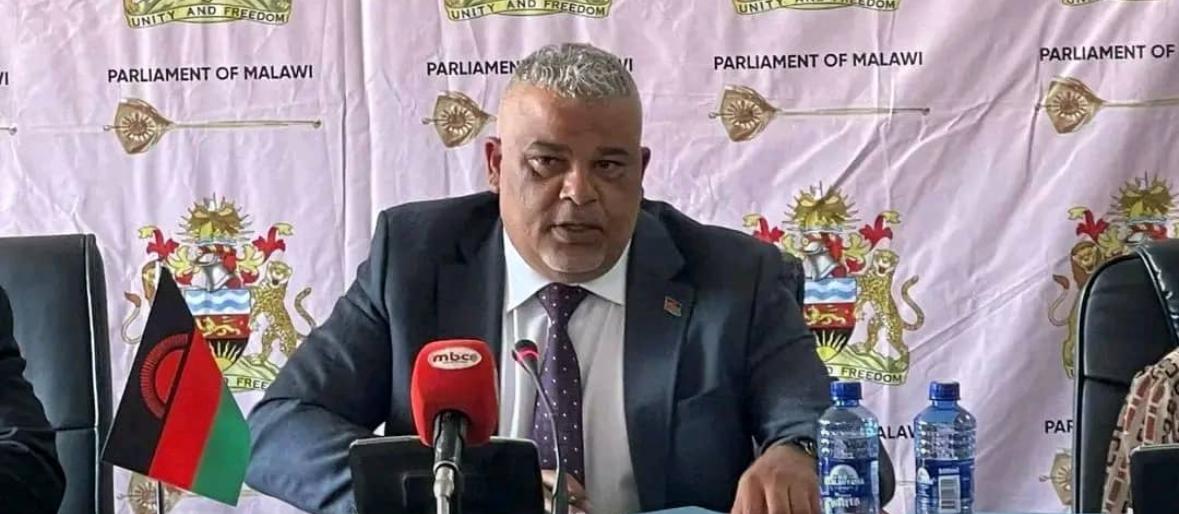
The DPP, however, has condemned Kalua for “expressing solidarity with MBC Director General George Kasakula’s personal matters.”
The ruling party has since demanded an apology and said in a statement that it “didn’t authorize anyone to represent [it] on this matter at MBC or elsewhere,” adding that, “we don’t wash dirty linen in public.”
And unlike MISA and Kalua, prominent legal scholar Danwood Chirwa offered a more nuanced — and scathing — assessment, arguing that Kasakula’s predicament was partly self-inflicted.
“George Kasakula is the architect of his own downfall and misfortune,” Chirwa said. “He abused his privileged position at the public broadcaster and acted unprofessionally, abandoning impartiality for partisan interests. If he was forced to apologise, then he is both a victim of duress and of his own ethical lapses.”
The law professor added that Kasakula’s case highlights a deeper rot in Malawi’s public institutions.
“His dilemma reveals how state institutions like MBC have been captured by political interests,” he said. “For Malawi to rebuild trust in its media, there must be a clear separation between journalism and propaganda. Those entrusted with public communication must act in the public interest, not at the whim of those in power.”
International election observers also faulted MBC for biased coverage during the campaign, saying the broadcaster had “failed the fairness test.” And following his decisive victory – 56.7 percent to Chakwera’s 33 percent – which defied expectations, President Mutharika himself acknowledged that MBC’s conduct “was improper”.