By Patrick Mwanza
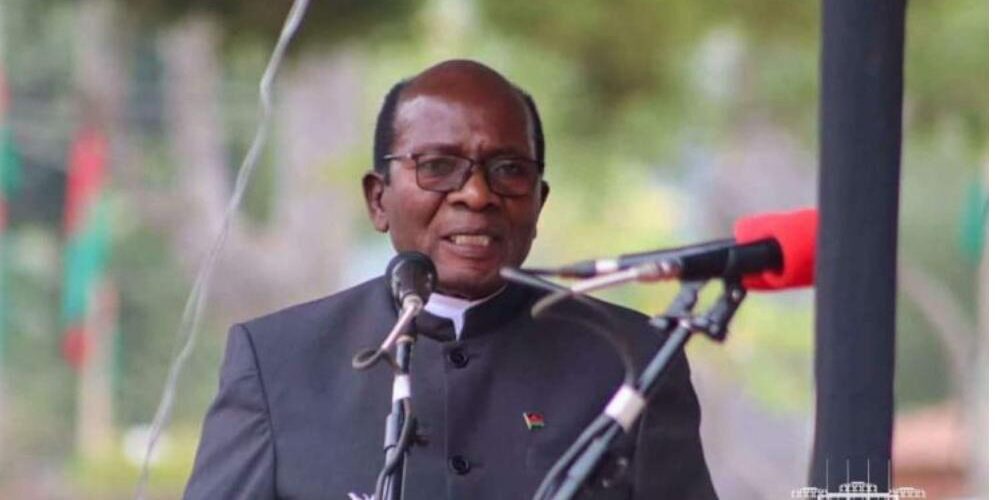
As Malawi’s 2025 election campaign nears its climax ahead of the September 16 vote, the ugliness of political backwardness is once again on display. This reminder came this week from Dr. Heatherwick Ntaba, a relic of Kamuzu Banda’s authoritarian era, a period some today dismiss as merely dystopian, yet in truth a dark chapter when dissent was crushed and free thought strangled under iron rule.
Speaking at a rally, Ntaba lamented that the head of state’s “God fearing” restraint was being abused by critics.
“There are those who are speaking in a more disrespectful manner,” Ntaba told President Lazarus Chakwera. “You have said your hands are tied.”
To illustrate, he invoked the Biblical story, recorded in all four gospels, of Jesus overturning the tables of money changers in the temple. Ntaba’s takeaway: if the Son of God could wield a whip, then surely Chakwera, too, should deal harshly with detractors.
And he was not finished. Ntaba pressed further: “Mr. President, I understand your position. But please allow us to smack them,” he said, even volunteering to lead the charge himself if given the green light. The crowd cheered. Chakwera, a former cleric, smiled but said nothing.
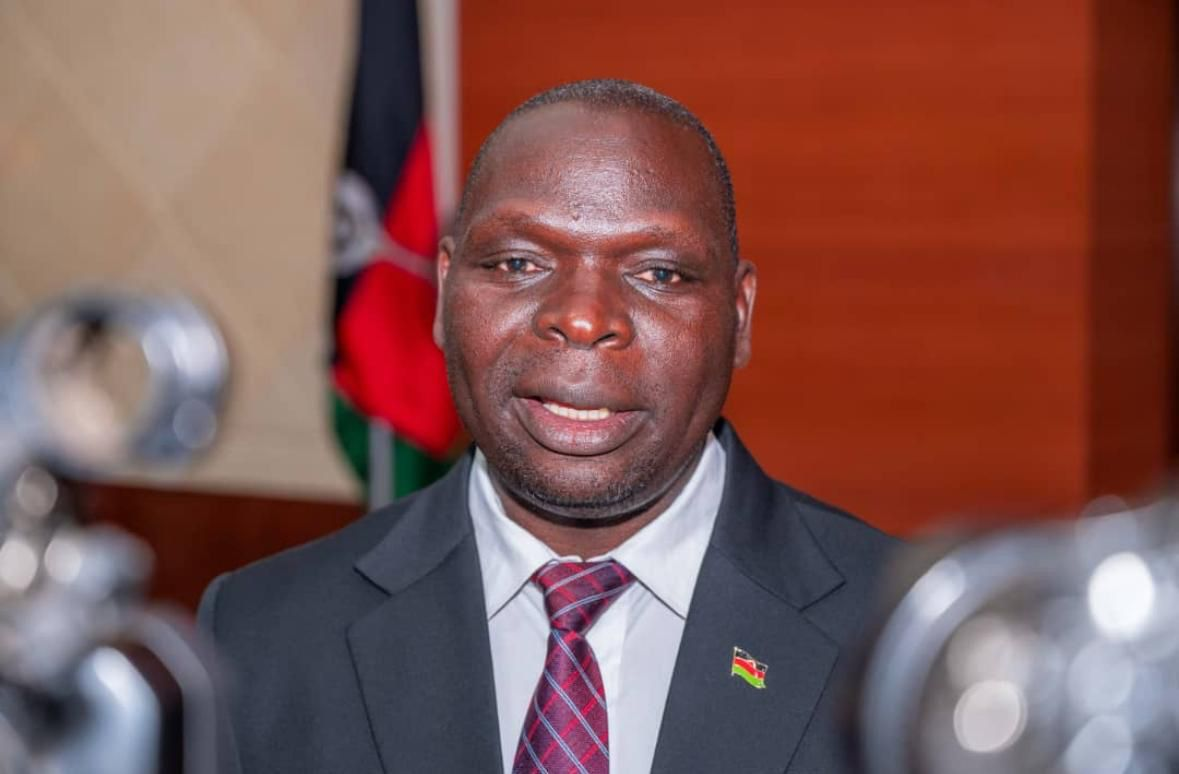
The genesis of this fiery rhetoric lies in Vice President Michael Usi’s open challenge to the establishment. Usi has accused government officials of deep-rooted corruption, calling it an obstacle to Malawi’s development. This message has struck a chord with Malawians crushed by rising costs of living, chronic hunger, soaring input prices, fuel shortages and depleted foreign reserves.
Usi, who became vice president after Chakwera appointed him to replace the late Saulos Chilima, now seeks the presidency under his new Odya Zake Alibe Mulandu party.
He has a line prepared for skeptics: “Trust me when I say these things. I am the Vice President of this country.”
But to Ntaba — foreign minister during the transition from Banda’s one-party rule to democracy — Usi’s defiance is intolerable. Ntaba’s call for violence echoes Banda-era intimidation, when party operatives vowed to “handle” dissenters on the president’s behalf.
Veteran journalist Claude Simwaka, who witnessed both one-party dictatorship and multiparty democracy, was blunt: “It’s gutter politics; the politics of dictatorship. Party loyalists would tell Kamuzu: Leave this to us. We will handle them.”
History bears him out. Banda’s regime hounded opponents – people were branded subversive simply for speaking their mind – at home and abroad. Journalist Mkwapatira Mhango and his family were killed in Zambia in a firebombing. Opposition leader Chakufwa Chihana, repeatedly jailed, returned in 1992 to force the opening to multi party rule along with Bakili Muluzi and others. Their efforts paid off and Muluzi became Malawi’s first democratic president.
Political violence is not new in Malawi. The expectation, though, is that leaders disavow it, and not stand by silently when it happens. But Malawi has seen troubling signs. Earlier this year, peaceful demonstrators calling for the resignation of electoral officials were violently attacked as police looked on. Outrage followed both at home and abroad.
European Union Ambassador to Malawi Rune Skinnebach expressed dismay: “We have been giving support to police training, but this is something we will reconsider if police does not make good use of the training, if they seemingly don’t intend to play their role…if their mandate is undermined by instruction from somewhere else.”
For Simwaka, the lesson is simple: “To hell with archaic politics of kuthana (to handle him or her). Old ghosts must remain in the past.”