
By The Forum
Is a revolt brewing within Malawi’s opposition Alliance for Democracy (Aford)?
It may be too early to confirm, but signs of trouble have emerged before the ink could dry on the newly announced coalition between Aford and the former ruling Democratic Progressive Party (DPP).
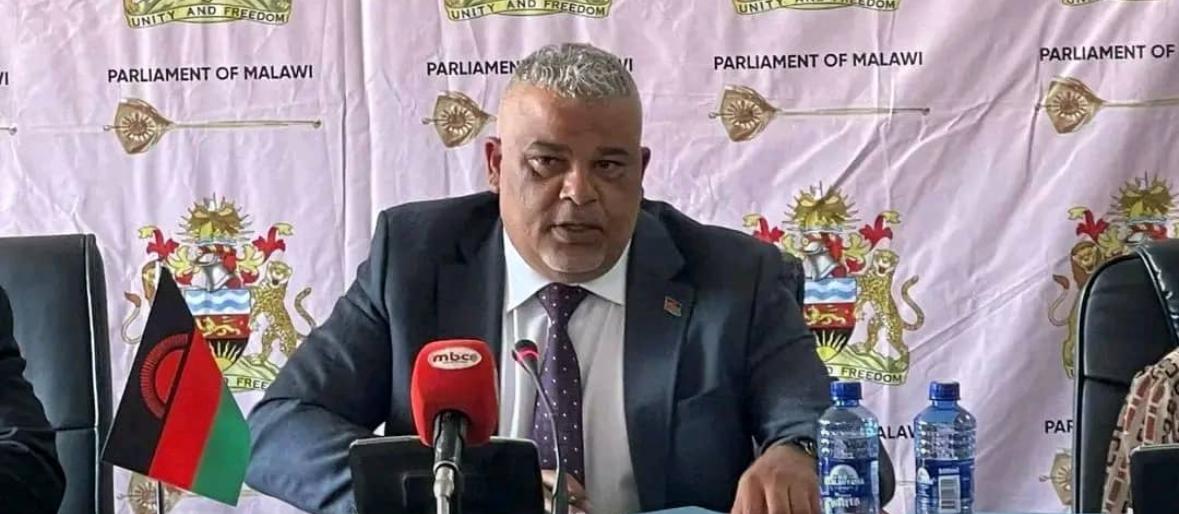
Aford vice president Timothy Pagonachi Ntambo on Friday publicly opposed the deal, just a day after it was unveiled by party president Enoch Chihana. In a letter read at a press briefing in the capital, Lilongwe, Ntambo expressed “significant reservations” about the ideological compatibility between the two parties.
“The DPP was voted out in 2020 because Malawians had had enough: electoral rigging, corruption, nepotism, human rights violations, and [worsening] living conditions,” Ntambo said.
The 2020 “Tippex Election” was marred by irregularities, including the use of correction fluid on result sheets. The Constitutional Court annulled the election after opposition parties, then united under the Tonse Alliance, challenged the outcome.
“One of the key people responsible for that flawed election was Madam Jane Ansah,” said Ntambo, answering a reporter’s question as he referred to the former Electoral Commission chair who declared Peter Mutharika the winner. On Friday, DPP announced that Ansah would be Mutharika’s running mate in the upcoming election.
“I led the struggle against Ansah,” said Ntambo, who, as head of the Human Rights Defenders Coalition (HRDC), organized mass protests demanding electoral justice. “There were attempts on my life, but I survived, thank God.”
He said his conscience wouldn’t allow him to campaign for DPP or Ansah.
“What has changed about DPP that justifies going back to Malawians and asking them to trust the same party again?” he asked, reading from his letter. “Without first explaining to Malawians what exactly has changed in the DPP over the past five years, I would be a hypocrite to tell them to vote for it.”
“Wouldn’t they think I am insane?”
Ntambo also raised concerns about the political wisdom of alliances, saying previous deals had left Aford weaker. “When I joined the party, the goal was to build Aford,” he said, adding that the party, with Chihana’s leadership, had been rebuilding its foundation across the country.
Following the elections that ushered in a new multi-party era, Aford emerged as a dominant force in the North, winning all seats in the 1994 elections. However, over three decades later, the party’s influence has waned significantly, with only one lawmaker remaining from at least 30.
Continued Ntambo: “Before forming alliances, we should ask how they will benefit the people. Positions are being considered, but are we thinking about how those positions will help the country?”
Under the coalition deal, if DPP wins the presidency, Aford would be allocated the Ministry of Agriculture and the position of Second Vice President, Chihana announced Thursday.
But Ntambo refused to buy it. “This mistake keeps repeating. Once bitten, twice shy. You can’t rewrite history,” he said and reminded Chihana of a broken promise. In 2004, DPP founder Bingu wa Mutharika failed to honor a pledge to appoint Aford leader Chakufwa Chihana as Second Vice President after securing the presidency.
Despite his public opposition to the coalition, Ntambo, who “felt sidelined whether intentionally or otherwise”, affirmed that he would campaign for Aford parliamentary and local government candidates.
He said his disagreement was with Aford’s decision to form a coalition before resolving key issues, not with people who still believe in what Aford stands for.